by Muhammad Asif NOOR
Electric vehicles, batteries and solar equipment are now at the centre of assertions that Chinese factories produce beyond reasonable demand and dispose of the surplus in overseas markets. The argument appears economic, but its growing use as a justification for tariffs and trade restrictions reveals a wider struggle over industrial leadership.
The first problem is the loose use of the term “overcapacity.” Production can temporarily exceed demand in any industry. This may result from rapid investment, changing consumer behaviour, falling prices or slower-than-expected economic growth. Such conditions require adjustment, but they do not automatically prove that a country is deliberately undermining foreign competitors.
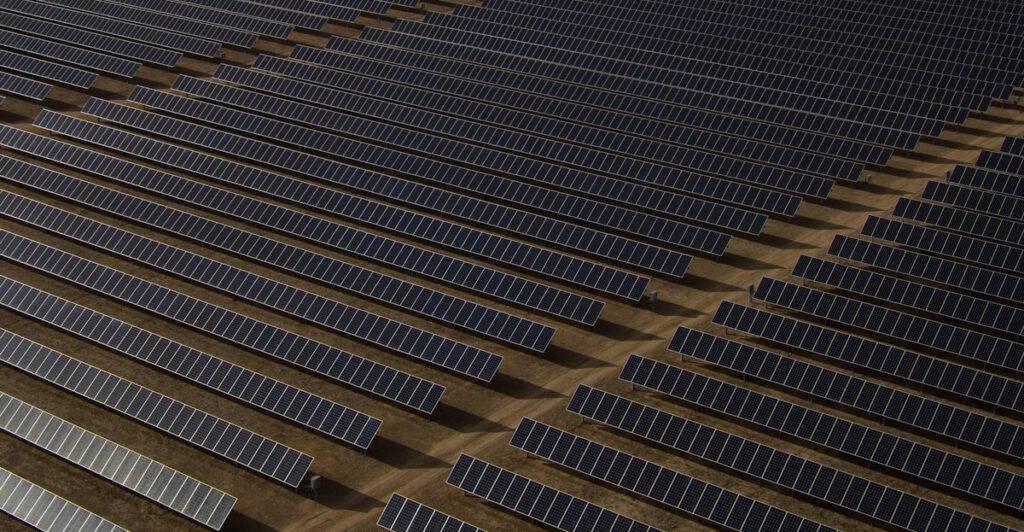
China’s solar industry illustrates this distinction. Its manufacturers expanded rapidly as countries announced ambitious renewable-energy targets. Production subsequently grew faster than immediate installations, causing prices and profit margins to fall. Chinese producers themselves have absorbed much of the resulting pressure. Several companies have reported losses, reduced output or accelerated technological upgrades to remain competitive.
This is how industrial cycles often operate. Investment initially rises because businesses anticipate future demand. Competition then removes inefficient producers, encourages consolidation and improves products. Similar patterns accompanied the development of railways, automobiles, telecommunications and consumer electronics. Industrial growth has rarely followed a perfectly balanced path.
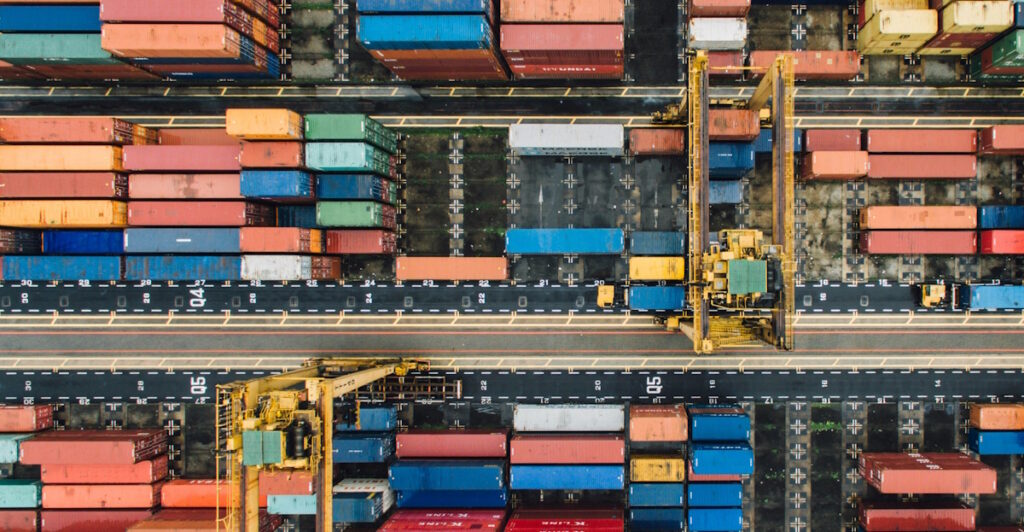
The assertion also relies heavily on export volumes. China sells large quantities of manufactured goods abroad, but exporting is not evidence of harmful surplus production. Germany exports machinery and automobiles. The United States exports aircraft, software, and advanced technologies. South Korea exports semiconductors and ships. These countries developed industries that serve international markets because specialization and scale are fundamental features of global trade.
It would therefore be inconsistent to treat Chinese exports differently simply because China has become highly competitive in industries that other major economies now consider strategically important. If export success becomes proof of overcapacity, almost every leading industrial nation could face the same allegation.
The contradiction becomes particularly visible when the issue is examined against the global climate challenge. Governments have committed themselves to tripling renewable-energy capacity by 2030, yet the present rate of deployment remains below what is required. The International Renewable Energy Agency recorded 692 gigawatts of new renewable capacity in 2025. Meeting the 2030 objective would require annual additions of approximately 1,122 gigawatts.
The world consequently has a shortage of renewable-energy deployment, rather than an abundance of affordable green technology. Solar panels, batteries and electric vehicles will be needed on a much larger scale if climate commitments are to move beyond speeches and conference declarations.
Falling technology prices should therefore be understood as a public benefit. Cheaper solar equipment enables families to generate electricity at home. More affordable batteries make renewable power reliable after sunset. Lower-cost electric vehicles help cities reduce pollution and dependence on imported fuel. The decline in battery and solar prices has made technologies once considered expensive increasingly accessible to ordinary consumers.
This matters greatly for developing countries. Their main problem is seldom excessive access to clean technology. It is the limited availability of finance, weak electricity grids, high borrowing costs, foreign exchange shortages and dependence on imported fossil fuels. Trade barriers imposed by wealthy economies can raise technology prices for countries that played the smallest role in creating the climate crisis.
The appropriate questions concern whether support is transparent, proportionate and consistent with international trade rules. Claims of unfair competition should be assessed through verifiable evidence, including factory utilization, inventories, profitability, price behaviour and demonstrated injury to foreign industries. Broad political labels should never replace serious economic examination.
The international community now faces a choice. It can allow industrial rivalry to divide markets, increase consumer costs and slow the green transition. Or it can encourage fair competition, joint production, technology partnerships and stronger multilateral oversight.