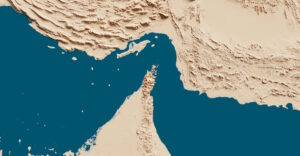
Hormuz is Closed. The IMF’s Rulebook Shouldn’t be
The IMF should introduce temporary shock provisions to protect import-dependent developing economies from war-driven energy price surges.

The IMF should introduce temporary shock provisions to protect import-dependent developing economies from war-driven energy price surges.

The Global South is rapidly expanding digital connectivity, but its cybersecurity capacity is lagging behind and increasing vulnerabilities.

Undersea cables have become critical strategic infrastructure, exposing global connectivity to growing risks of disruption and sabotage.

The debate over China’s “overcapacity” extends well beyond economics, reflecting a broader geopolitical contest over industrial leadership.
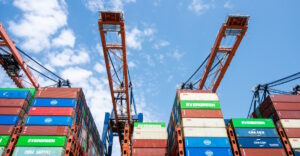
The performance of a logistics corridor should be measured not only by transport speed, but also by its ability to bring products to market.

WAICO marks China’s ambition to shape global AI governance amid growing Sino-American competition in artificial intelligence.

The Evian G7 Summit demonstrated the ability of Western and Global South powers to engage in dialogue and cooperate on global issues.

Gold’s rise as the world’s leading reserve asset reflects declining trust in the dollar and the growing use of finance as a geopolitical tool.

IMEC reflects India’s ambition to become a global connectivity hub, but without stability in South Asia, no corridor can transform Eurasia.
The rivalry between China’s BRI and IMEC is reshaping global geopolitics around the control of strategic corridors and supply chains.