The Partnership between the European Union and Greenland: A Strategic Cooperation
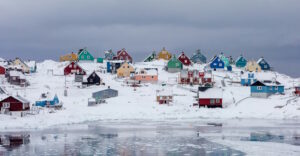
The strengthening of the EU partnership with Greenland aims to support its economic development and autonomy in response to US ambitions.

The strengthening of the EU partnership with Greenland aims to support its economic development and autonomy in response to US ambitions.
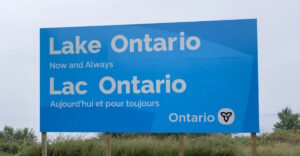
The US-Canada trade dispute shows how tariffs can turn economic interdependence into a weapon, undermining decades of cooperation.

The Settebello incident highlights how geopolitical rivalries are turning commercial sea lanes into arenas of confrontation.

Persistent U.S. inflation exposes the limits of tariffs, highlighting the need to balance strategic security with price stability.

Gold’s rise as the world’s leading reserve asset reflects declining trust in the dollar and the growing use of finance as a geopolitical tool.

Global economic stability and growth largely depend on constructive economic dialogue between the United States and China.

China’s refusal to join the “Board of Peace” highlights the clash between a U.S.-led initiative and support for UN-centered multilateralism.
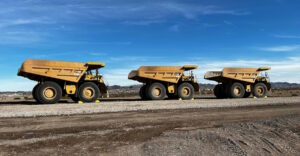
The US is making critical minerals a pillar of its foreign policy to reduce dependence on China and secure supply chains for technologies.
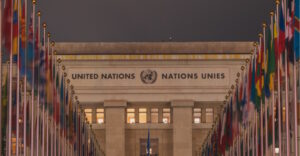
Donald Trump’s Board of Peace is presented as an alternative to the United Nations, prioritizing U.S. interests, drawing mixed international responses.

The 2025 EU–US tariff agreement, presented as a stabilizing compromise, has in practice weakened Europe’s export competitiveness.