by Barira Mumtaz AHMED
On 27 July, a group of labourers was attacked in the Kech district of Balochistan, one of whom was shot dead on the spot and six others kidnapped. They were discovered days later in Turbat. The message in the killings was loud and clear: whether you were a foreign engineer or a local worker, stay away from Chinese-backed projects and mineral sites, security sources said. Barrick Gold had been sprinting toward 2028, when Reko Diq was expected to begin extracting an estimated $74 billion worth of copper and gold from the ground, a few hundred kilometers away, in the same province. The country’s biggest economic risk and the most bloody insurgency are occupying the same land in Pakistan. Washington has just become a member of the club as a shareholder in both.
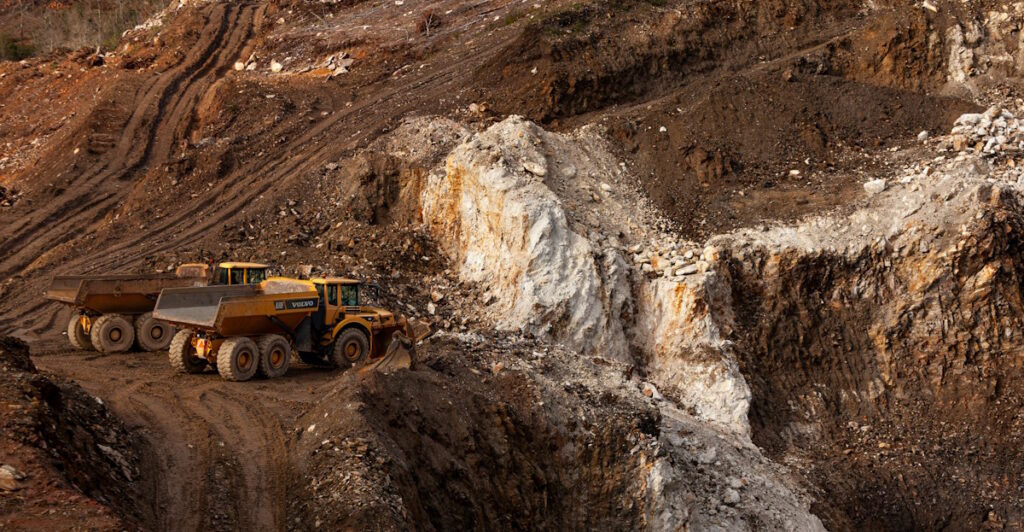
The numbers tell the story of hunger. On Feb. 7, the U.S. Export-Import Bank provided Reko Diq with $1.3 billion in financing through Project Vault, a $10 billion initiative to increase strategic mineral reserves and cut U.S. supply chains from China. Reko Diq has an estimated 5.9 billion tonnes of ore in the Chagai belt and Barrick’s own figures have pegged the lifetime free cash flow of the mine at $74 billion over the next 37 years. It is not a mining project, it’s a country that has been in and out of IMF programs for most of its modern history. That’s a lifeline and a shovel.
But the balance sheets do not contain the terms of conditions under which lifelines were staked in Balochistan. The province is the biggest, poorest and least governed in Pakistan and the Balochistan Liberation Army has been saying so for the last 10 years. 2026 has already been the deadliest year for the group, as coordinated strikes were carried out in a dozen districts in late January and early February in what the BLA called “Herof 2.0” (“black storm” in Balochi), and the July killings in Kech, on top of a 2025 bombing that injured six security personnel near the copper mine operated by China. This is not a by-product of the violence. It’s a campaign to make the mineral economy too risky to operate, convoy by convoy and kidnapper by kidnapper.
None of this is unique to Pakistan and that is what Islamabad should worry about. In the Democratic Republic of Congo’s cobalt belt and Zambia’s copper corridor, great powers have been jostling for control of the minerals, and armed instability has been superimposed on them, while foreign capital has continued to flow because the minerals were more important than the risk. Balochistan is just the latest addition to that list, and the latest test of whether resource geopolitics can outrun a local insurgency.
Washington’s bet is that Islamabad will be able to do what it has not been able to do in 20 years: keep Balochistan under control until it can get a mine to ship ore. Now Barrick has revealed the odds of that bet. The company in April had delayed the first production date for Reko Diq to mid-2027, due to the rising attacks in the province, and the cost range of $5.6–6.0 billion, which it had previously announced, is likely to be revised upwards and delayed, it had warned. A company that for months has been telling markets that the timeline was intact has now said, in effect, that the mine’s insurgents are already pricing the mine before it produces an ounce of copper.
There’s another thing that’s not discussed as much as the bombings and it’s a constitutional one, not a military one. The 18th Amendment has given autonomy to the provinces in the management of their mineral resources, and any federal commitment to Washington is as strong as Quetta’s resolve to keep it. That balance is already reflected in the ownership of Reko Diq: Barrick owns 50 percent, federal state enterprises own about a quarter, and the province of Balochistan owns the rest, with Saudi Arabia’s Manara Minerals in talks for a stake. Every new investor is another stakeholder to be appeased in a province which has never been comfortable with Islamabad’s rule.
None of this renders the bet a bad one. It turns it into a bet and Pakistan has a good reason to want it to pay off. A successful Reko Diq would provide Pakistan with something remittances and IMF tranches cannot: a regular, structural export earning that is not reliant on the goodwill of others or the election cycle. It would also provide Islamabad with a second Washington option, apart from the one it established earlier this year to broker the Iran-Israel ceasefire, that Pakistan can count on the United States for something other than managing other people’s wars.
This means that the test that is to come is not geological. Pakistan is already aware of what lies beneath its feet. The question is whether the state can do more to keep people out of the hole than the BLA can do to frighten them away from trying to get in, and whether Islamabad is ready to do the more difficult and slower task of sharing the rewards of the hole with the province that is sitting on top of it, not just the security bill for guarding it. Until then, Reko Diq is worth what Barrick’s own hedging now states it is: a $74 billion promise, revised each time the next attack requires revision.