by Nazish MEHMOOD
Pakistan’s alliance with Saudi Arabia is one of the lingering strategic alliances of the Muslim world with the two countries having an agreement. Pakistan’s relationship with the Saudi Arabia is one of the historical strategic ties of the Muslim world with the two countries agreed. A tradition of “defence, diplomats, labour cooperations, and economic cooperations” has come to a new era and now Technology and Innovation play a very important role. Pakistan’s unveiling of the expansion of the Pakistan–Saudi digital corridor at Geneva, during the AI for Good Global Summit (July, 7-10) is indicative of a partnership between the two countries that recognizes the importance of common investment in the future of a global digital chokepoint by fostering the development of knowledge economies.
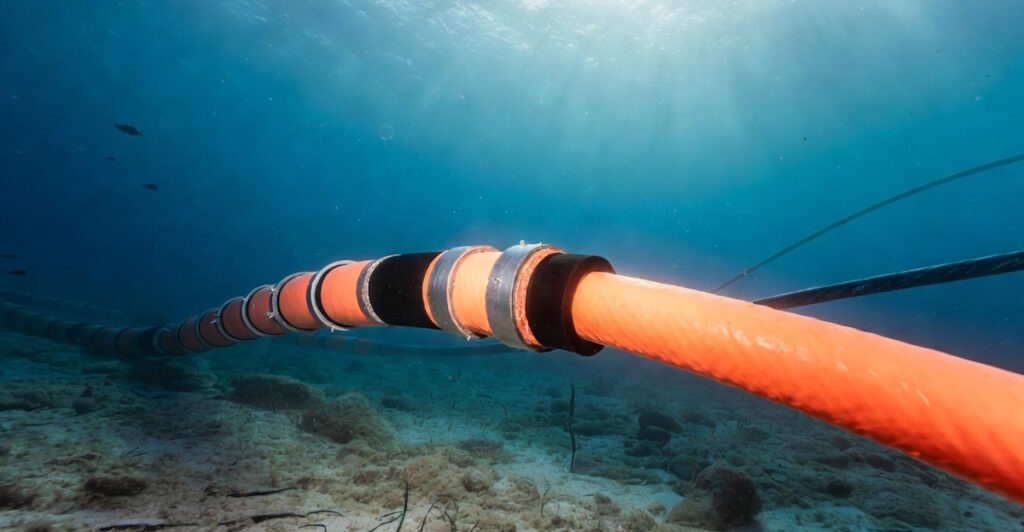
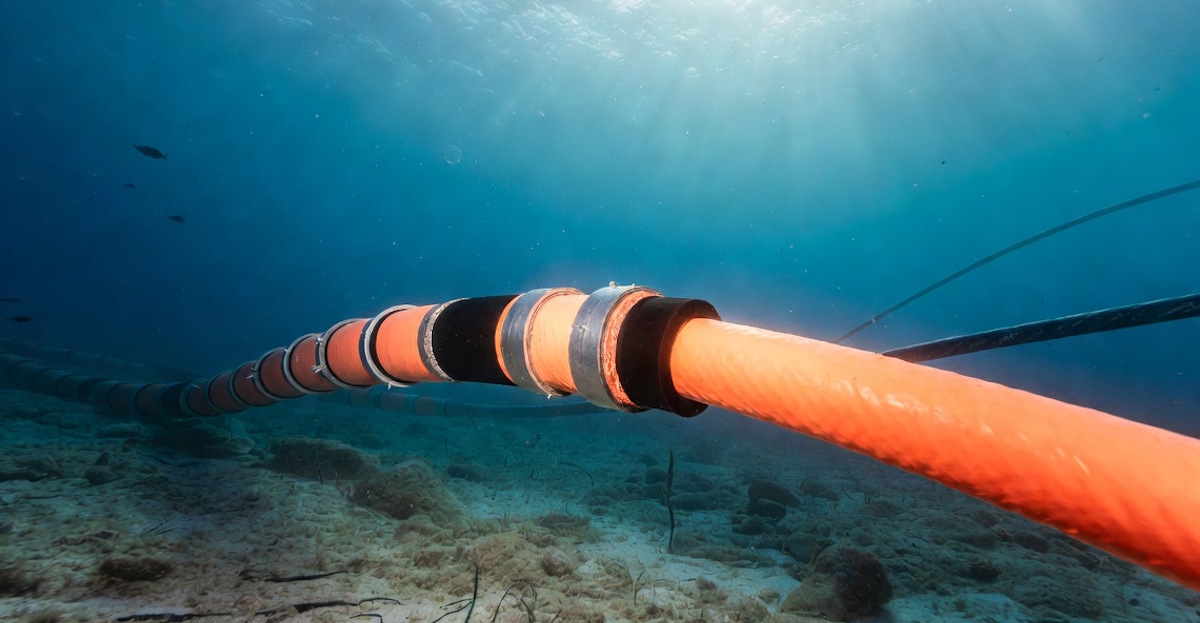
The Minister of Information Technology in Pakistan, Shaza Fatima Khawaja and Minister of Communications and Information Technology of Saudi Arabia, Abdullah Alswaha, underscored to further enhance cooperative efforts in the field of digital connectivity between their countries through a new submarine cable route, expand the land-based network and promote stronger ties between the information-related private sectors of the two nations. The announcement seems to be mainly about the technical infrastructure, but the scope of the implications are wide-ranging and not only within the scope of telecommunications.
Today, Digital infrastructure is as critical as high-speed roads, ports and energy networks in the global economy. Countries with high security and digital resilience can better lure investments, foster innovation, boost exports, and be able to engage in a fast-growing digital economy. The investment in the proposed Pakistan – Saudi digital corridor is not simply for communication network upgrading but also for improving economic competitiveness in the long term.
Pakistan’s IT industry is one of the most successful export industries in Pakistan. The official statistics revealed that IT exports are growing at a nearly 20 percent pace and stood at US$4.2 billion in the first 11 months of the 2020/21 fiscal period. The foreign exchange money earned by the Pakistani software companies, cyber security experts, freelancers and startups in the technology sector has been increasing steadily in the past few years and is playing a vital role in the country as a source of jobs.
For this momentum to carry on, there must be strong Digital infrastructure. Almost all of the international internet traffic is constricted through submarine fibre optic cables. Further submarine connections, coupled with terrestrial fibre pathways, make the network more resilient, boost Internet speeds, minimise latency and provide additional pathways in the event of technical disruption. Digital resilience is increasingly a key factor in national development, for connectivity is essential to provide the continuity of the banking sector, e-commerce, cloud-based information services and government services.
The project further adds to the Kingdom of Saudi Arabia’s efforts to utilize advanced technologies, smart cities, digital government and cloud computing and AI. As Saudi Arabia strives to be a growing regional technology leader, the digital economy in Pakistan can contribute more to one of the fastest changing technology markets in the world.
This collaboration goes beyond infrastructure for Pakistan. It is the driving force for software innovations exports, start-up cooperation, venture capital, research cooperation and competency building. Business process outsourcing (BPO), health technology, education technology, cybersecurity (CySec), and fintech are different areas in which Pakistani technology companies have been exhibiting improved skills. Supporting these companies to gain access to new markets, and promoting innovation via joint public and private sector projects, can be achieved through better cooperation between institutions.
Furthermore, the digital corridor commodities Pakistan’s area significance. Pakistan lies between South Asia, Central Asia, Middle East and Arabian Sea, which makes its strategic position in the region and gives it immense potential to become a hub for connectivity. Digital infrastructure plays an important role alongside transport and energy infrastructure in the process of regional integration, and is becoming a key component in the modernization of global trade.
Of special note also is the role of cooperation by the private sector in the Geneva discussions. They lay the groundwork in a government agreement, but sustainable digital partnerships are still by the will of the entrepreneurs, investors, tech companies and research centers. Greater cooperation will help to foster knowledge transfers, innovative solutions, and commercial partnerships between the two economies.
The agreement is the result of a broader realisation of the fact that strategic alliances in the future will not significantly rest more on geopolitical issues, but on cooperation in the field of technology. The world of knowledge and innovation creates new challenges for countering the competition of counties with secure, information-oriented ecosystems.
The Pakistan-Saudi digital corridor is just such an opportunity. Both parties are laying the groundwork for a partnership that goes beyond traditional lines by improving digital infrastructure, driving technology investments, fostering cooperation between the private sector and connecting the region. With its proper execution, this could be used to improve Pakistan’s digital economy, boost technology exports and provide employment opportunities to the rapidly expanding ranks of skilled people in Pakistan, and reaffirm the deep strategic bond with the twenty first century demands.