by Nimra KHALIL
There have been many theories proposed over the centuries when it comes to geopolitics, but one idea has proven its staying power: “Geography is destiny.” For decades, this mantra seemed to apply to Pakistan’s northern outreach policy. Afghanistan’s mountainous terrain and its complicated political situation made it inevitable for Pakistan to rely on this neighboring state as an unavoidable land link to the resource-rich countries of Central Asia. It seemed obvious that there were no alternatives to Pakistan’s strategic interests other than traversing through this volatile neighbor and making Pakistan’s connectivity dependent on the instability of Afghanistan.
However, in the spring of 2026, Pakistan is defying the accepted wisdom by developing two functioning transit links, the first through China and the second through Iran, both of which do not involve crossing through Afghan territory at all. This new strategy is more than just a test run or contingency plan. These two new transit links provide shorter distances, faster travel times, greater security, and most importantly, better reliability than Pakistan’s usual Afghan route. What Pakistan has accomplished with these transit links is nothing short of remarkable.
A Reliable Northern Lifeline
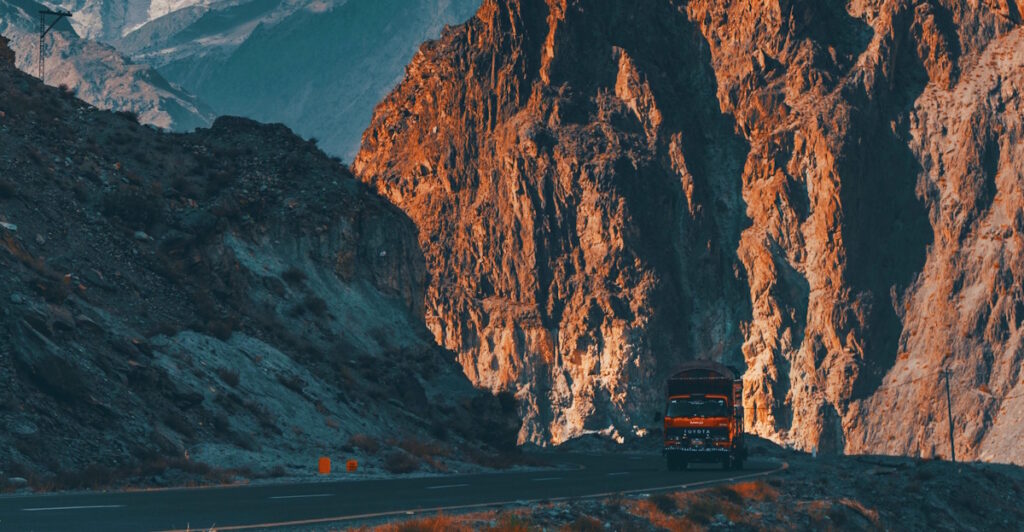
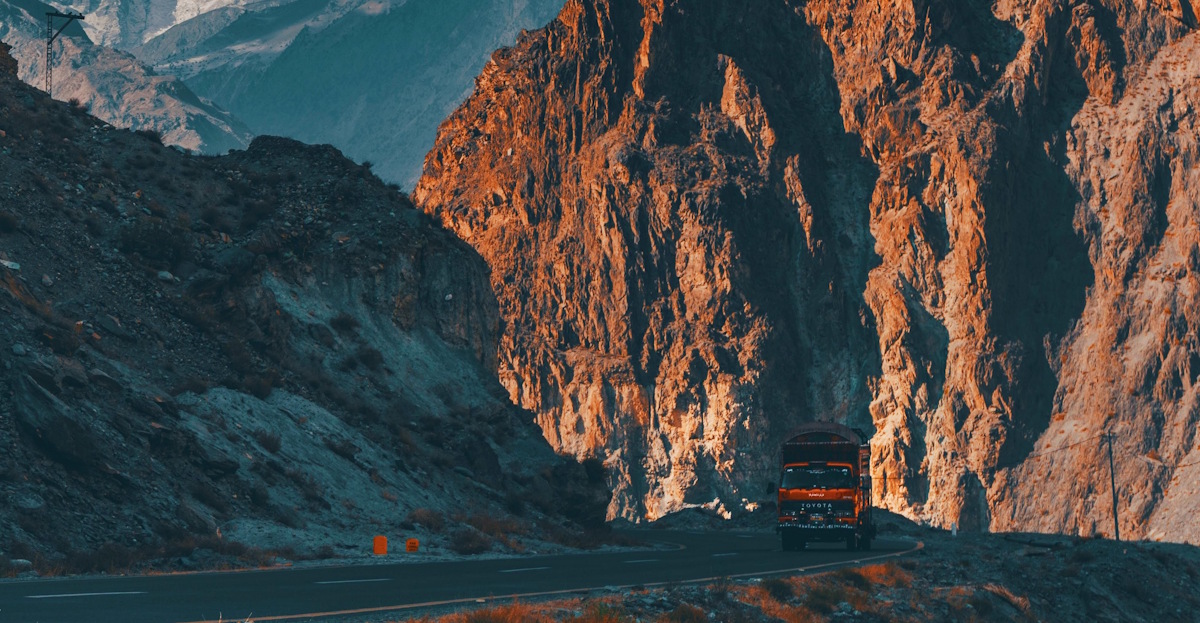
Among all routes, the route to China that will be aided by the Karakoram Highway has proven itself the most dependable one in regard to entering the northern part of Central Asia. The Khunjerab Pass will be functional during the whole year beginning from 2024. Thus, any seasonal aspects do not affect the flow of goods that travel from Pakistan through Xinjiang to Tajikistan, Kyrgyzstan, and Kazakhstan. It is evident that some statistics can help understand why it is better to use the mentioned above route. Normally, it will take the truckers 3,230 kilometers and 13-15 days to reach Bishkek from Pakistan, while the trip via Afghanistan will require spending 237 kilometers and two-three extra days. Travelling to Almaty from Pakistan, drivers can save up to 345 kilometers while using the Chinese route – 3,468 kilometers compared to 3,813 kilometers via Afghanistan. Even to Dushanbe it will take 3,310 kilometers to go on the Chinese road and one extra day to travel via Afghanistan.
Operational and Cost-Effective
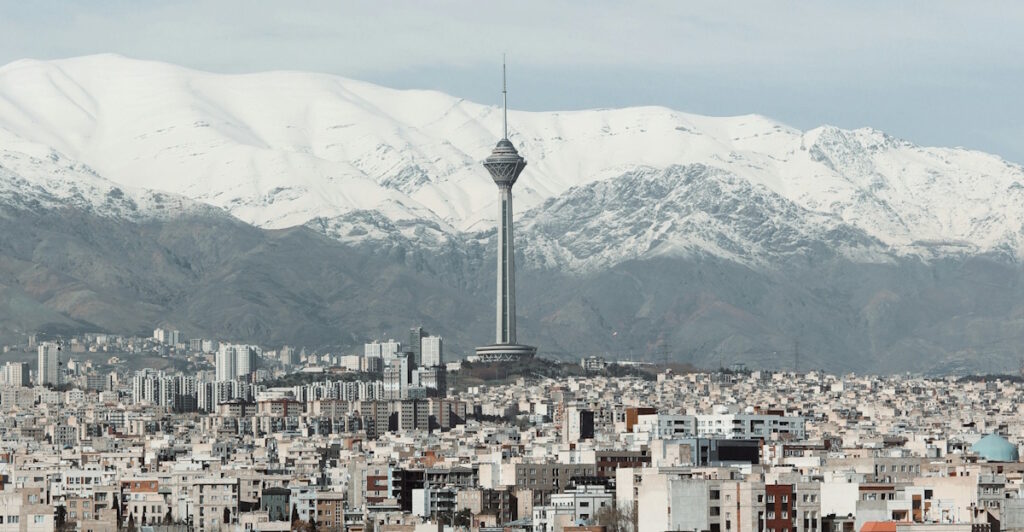
In parallel to the northern passage, the recently launched Iran passage has become available. Early in April 2026, the National Logistics Corporation of Pakistan commissioned the Gabd-Rimdan border crossing point based on the TIR regime. Immediately after that, the first shipment of chilled frozen beef was shipped from Karachi to Tashkent. The distance to Uzbekistan via this passage amounts to 3,540 kilometres, while to Turkmenistan – 2,570 kilometres. The uniqueness of the passage in question lies in its stability and less complex process of operation. Iranian highways are in good condition, the customs clearance process is efficient, and there are no issues with unexpected border closings, which has been an ongoing problem for Afghanistan transit all along.
Why the Afghan Route Is Losing Relevance
In stark contrast to this, however, the conventional Afghan route system has become a liability. The security risks associated with this route continue to be constant. Border gates at Torkham and Chaman may shut down suddenly, and even stay closed for weeks at a stretch. The imposition of transit fees by the Taliban, along with other extra levies, coupled with exorbitant insurance rates, makes shipping prohibitively expensive. On the Afghan end, logistical infrastructure has failed to keep pace. There is only about 100 km of rail network in Afghanistan. Road networks have fallen into disrepair, and there are no facilities for proper logistics operations, including customs processing, warehousing, and temperature-controlled storage. With global shipping increasingly dependent on timely and perishable cargo, the Afghan route has become non-viable.
The Infrastructure Backbone Driving Change
This could not have happened without the necessary investments made domestically. This includes the upgrading of ML-1 railway which extends up to 1,872 kilometers from Karachi to Peshawar, funded by the Asian Development Bank, and construction will start in July 2026. The second phase of the CPEC, worth $62 billion, is expanding parts of the Karakoram Highway, and the Havelian Dry Port has already received approval in October 2025. Finally, the Gwadar Port, a deep-sea port of Pakistan in the Arabian Sea, supplies goods to all five countries of Central Asia without passing through Afghanistan. All these developments are not separate in nature; they are part of a larger network that makes Pakistan’s ports, roads, and railways the southern entrance to the region.
From Geographic Cul-de-Sac to Strategic Transit Hub
Implications of the project are far-reaching. Economic considerations include reduced logistical costs of importing energy resources as well as access to markets in Europe and Central Asia for Pakistan’s textiles, agricultural exports and pharmaceutical industry. Politically, Pakistan would become less dependent on any one neighboring state and its stability and political leadership. At the human level, it would gain additional bargaining power in regional negotiations and increased predictability in the earnings of logistics companies. In the long run, Pakistan is establishing itself as the natural south end of Central Asia with its 80 million inhabitants and abundant natural resources.
It does not mean that Afghanistan will not continue to compete for attention. Its role is merely diminished because the corridor between China and Iran has been established and is complemented by rapidly developing local infrastructure. In this sense, Pakistan’s involvement with CPEC is a transition from its previous position as a passive recipient of development benefits to becoming a driving force behind regional development. In the renewed geopolitical competition for Eurasian economic dominance, Pakistan no longer waits for the game board to change. It participates in changing it.