Hormuz is Closed. The IMF’s Rulebook Shouldn’t be
The IMF should introduce temporary shock provisions to protect import-dependent developing economies from war-driven energy price surges.

The IMF should introduce temporary shock provisions to protect import-dependent developing economies from war-driven energy price surges.

TAPI’s greatest challenge is not building the pipeline, but securing the political stability and regional cooperation needed to operate it.
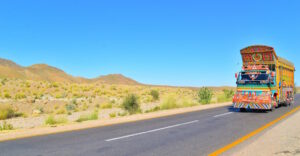
Pakistan is seeking to position itself as a reliable trade and transit gateway to the sea for landlocked Central Asian states.
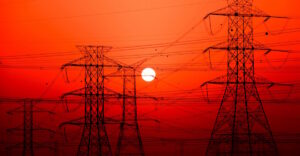
CASA-1000, a strategic energy project, needs political and security stability between Pakistan and Afghanistan.

Bangladesh’s closer ties with China open new infrastructure opportunities, but their success will depend on regional stability.
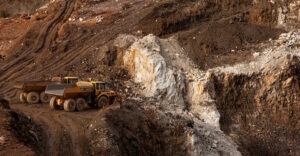
The future of the Reko Diq mine will depend on Pakistan’s ability to provide security and political stability in Balochistan.

Pakistan is reshaping regional connectivity by developing new corridors through China and Iran, strengthening its role as a logistics hub.
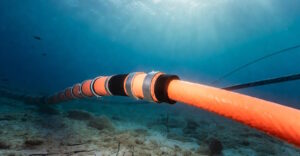
The Pakistan–Saudi digital corridor marks a new phase in their strategic partnership, strengthening connectivity and innovation.
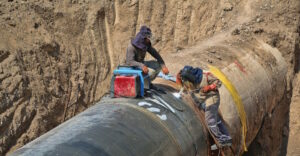
The ceasefire between Iran and the USA could revive the Iran-Pakistan gas pipeline, turning a long-stalled project of energy security.

IMEC reflects India’s ambition to become a global connectivity hub, but without stability in South Asia, no corridor can transform Eurasia.