
Japan’s Silicon Gambit: Can Tokyo Buy Its Way Out of Geopolitical Risk?
Japan’s semiconductor revival aims to strengthen strategic autonomy and supply-chain resilience, but its success will depend on execution.

Japan’s semiconductor revival aims to strengthen strategic autonomy and supply-chain resilience, but its success will depend on execution.

The IMF should introduce temporary shock provisions to protect import-dependent developing economies from war-driven energy price surges.
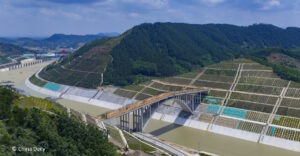
The Pinglu Canal strengthens connectivity in southwestern China and boosts economic ties between China and ASEAN.

TAPI’s greatest challenge is not building the pipeline, but securing the political stability and regional cooperation needed to operate it.

The CKU railway could reshape Central Asian trade, but its success will depend on whether Kyrgyzstan and Uzbekistan can turn transit connectivity into genuine economic gains while preserving strategic autonomy

Europe’s energy security requires moving beyond dependence on any single supplier by strengthening renewables and diversified partnerships.

Pakistan is seeking to position itself as a reliable trade and transit gateway to the sea for landlocked Central Asian states.
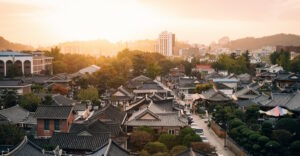
The “7 SEEDS” strategy aims to strengthen South Korea’s strategic autonomy by developing its technological and industrial capabilities.
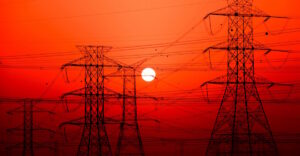
CASA-1000, a strategic energy project, needs political and security stability between Pakistan and Afghanistan.

China’s new Ecological and Environmental Code marks a major step in structuring the country’s environmental law.