While others debated, Pakistan acted
Pakistan emerged as a key mediator between Washington and Tehran, playing a central role in the ceasefire and the resumption of dialogue.

Pakistan emerged as a key mediator between Washington and Tehran, playing a central role in the ceasefire and the resumption of dialogue.
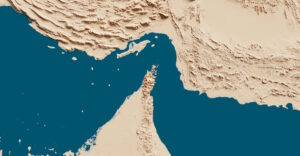
The rivalry between China’s BRI and IMEC is reshaping global geopolitics around the control of strategic corridors and supply chains.
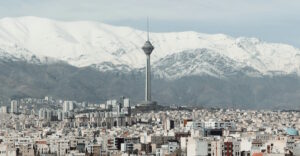
Pakistan and Iran have recently launched a strategic land corridor transforming regional trade toward Central Asia.

Europe can support Pakistan’s economic recovery, but only if domestic reforms ensure a stable and credible environment to attract investment.

The China–Gwadar–Africa corridor aims to strengthen connectivity between Asia and Africa while developing a sustainable blue economy.
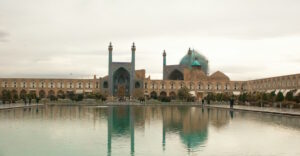
The war in Iran is delaying the development of the IMEC, but a lasting weakening of Tehran could ultimately secure this strategic project.
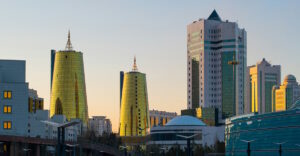
Tokayev’s visit to Pakistan was less about concrete projects than about sending a signal of Kazakhstan’s diplomatic independence.
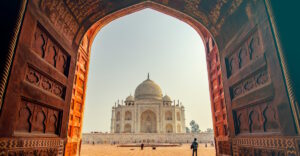
Macron’s visit to India accelerated the implementation of the Horizon 2047 roadmap by strengthening cooperation between the two countries.

Pakistan and Saudi Arabia are strengthening structured security cooperation to confront shared threats and protect their strategic interests.
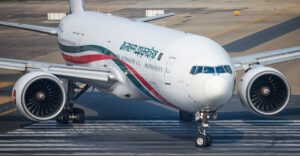
The resumption of direct flights between Bangladesh and Pakistan after fourteen years marks a strategic turning point.