by Muhammad Asif NOOR
China’s foreign trade reached 25.47 trillion yuan, about $3.75 trillion, in the first half of 2026, rising 16.9 percent year on year and crossing the 25 trillion yuan threshold for the first time in any comparable period. Exports increased 13.4 percent, while imports surged 22.1 percent. The 8.7 percentage-point lead of import growth over export growth reveals a changing economic relationship between China and the world.
For years, China has been described mainly as the world’s factory, a manufacturing power sustained by external demand. The latest figures show a broader reality. China remains a leading producer, but it is also becoming a larger global market. Its appetite for machinery, agricultural goods, energy resources and industrial inputs is expanding faster than its outward shipments.
A country importing 10.74 trillion yuan worth of goods within six months is a major source of income, employment and investment for producers elsewhere. Imports of mechanical and electrical products rose 28 percent, agricultural imports grew 8.6 percent, and purchases of bulk commodities also increased. These flows create opportunities for exporters across Africa, Latin America, Central Asia, Europe and East Asia.
China is therefore becoming a stronger demand anchor for global trade. This role carries particular weight as tariff escalation, geopolitical tensions and supply-chain fragmentation weaken confidence in international markets. Global suppliers need large and stable destinations. China provides that scale, while tariff reductions and wider trade arrangements create additional entry points for developing economies.
The rise in imports also reflects China’s gradual transition from an export-heavy growth structure toward one supported more strongly by domestic demand. Import growth alone cannot measure household consumption, since industrial inputs and commodity prices also influence trade values. Yet Beijing’s policy direction is clear. Expanding domestic demand and service consumption have become central priorities.
The transition will depend on household income, employment security, social protection and confidence in the property market. Faster import growth nevertheless suggests that China’s domestic economy is exerting a stronger pull on global suppliers.
The export side tells an equally significant story. China’s trade is moving from scale toward sophistication. Mechanical and electrical products accounted for 63.5 percent of exports in the first half. High-tech exports rose 39 percent, while computing hardware, electronic components and computer parts also recorded strong growth.
These are the export categories of an economy competing through engineering capability, technological innovation and supply-chain efficiency. The older image of Chinese trade being driven mainly by low-cost labour and basic manufactured goods has lost much of its value. Chinese firms now operate across advanced machinery, artificial intelligence hardware, industrial robotics, medical technology, electric mobility and energy storage.
Private enterprises are central to this shift. Their trade reached 14.53 trillion yuan, accounting for 57 percent of China’s total. This shows that trade growth is being shaped by a diverse business sector responding to competition, demand and technological opportunity.
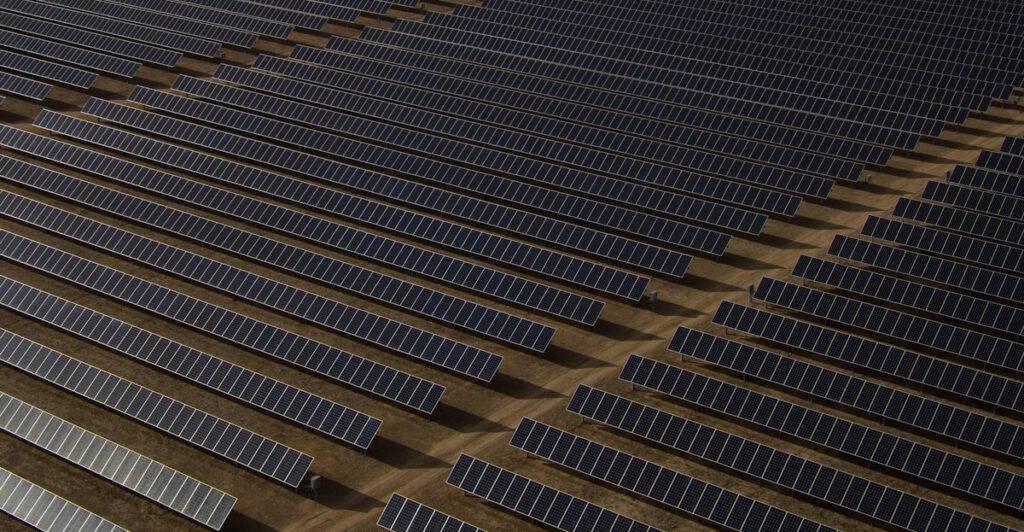
The clearest international impact appears in green manufacturing. China’s exports of new energy vehicles, photovoltaic equipment, batteries, wind technologies and electric transport systems are supporting energy transitions where domestic production remains limited. These products are better understood as development infrastructure than ordinary merchandise.
Solar panels lower electricity costs. Battery systems help integrate renewable power into national grids. Electric vehicles reduce dependence on imported fuel. Energy-efficient cooling appliances protect health and productivity as extreme heat becomes more frequent. China’s manufacturing scale has also helped make these technologies more affordable.
For developing economies, affordability is decisive. Climate commitments have expanded faster than the financial and industrial capacity needed to fulfil them. Chinese technology allows countries to improve energy security, reduce emissions and widen access to electricity as domestic manufacturing capabilities develop.
Concerns about industrial competition, supply-chain concentration and market access deserve serious engagement. Countries have valid interests in building domestic capacity and diversifying critical supplies. Yet broad protectionist measures can raise prices, delay energy projects and weaken climate goals. A more productive response combines open trade with local manufacturing, investment partnerships, technology cooperation and diversified supply chains.
China’s expanding trade geography supports that approach. Trade with Belt and Road partner countries reached 12.97 trillion yuan, accounting for 50.9 percent of the national total. Commerce with neighbouring countries, Africa, Latin America and the European Union also recorded solid growth. This reflects a network becoming wider and more closely connected with emerging economies.
The 25.47 trillion yuan milestone therefore tells a bigger story. China remains a major supplier to the world, yet it is also becoming one of its most important markets. Its exports are shifting toward technology-intensive and green products, while its imports are creating opportunities across developed and developing economies.
Global policymakers should interpret these figures through the economic structure they reveal rather than assumptions formed during an earlier phase of China’s development. China’s emerging trade equation combines productive capacity with expanding demand, industrial upgrading with market opening, and national growth with wider global opportunity.