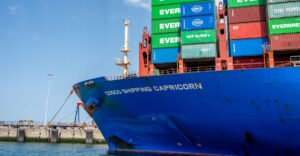
China’s Trillion-Dollar Export Wall Will Not Fall to Tariffs Alone
Tariffs alone cannot weaken China’s export dominance; Europe must invest in competitive alternatives while managing strategic dependencies.

Tariffs alone cannot weaken China’s export dominance; Europe must invest in competitive alternatives while managing strategic dependencies.

The US-Canada trade dispute shows how tariffs can turn economic interdependence into a weapon, undermining decades of cooperation.

The debate over China’s “overcapacity” extends well beyond economics, reflecting a broader geopolitical contest over industrial leadership.
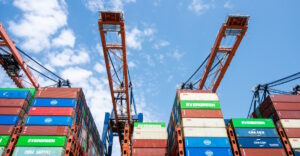
The performance of a logistics corridor should be measured not only by transport speed, but also by its ability to bring products to market.

China’s rising imports and high-tech exports reflect a new trade model that positions the country as a major driver of global demand.

Panda bonds are accelerating the internationalization of the yuan by giving foreign issuers direct access to China’s financial markets.

Global economic stability and growth largely depend on constructive economic dialogue between the United States and China.

China’s record imports reflect its sustained openness, economic resilience, and growing role as a stabilizing engine of global trade despite geopolitical and economic challenges.

Pakistan and Türkiye are forging a multifaceted partnership that transforms Pakistan from a passive actor into an autonomous middle power.

The Strait of Hormuz is a vital artery for global oil trade making any disruption a potential trigger for a global economic crisis.