by Nazish MEHMOOD
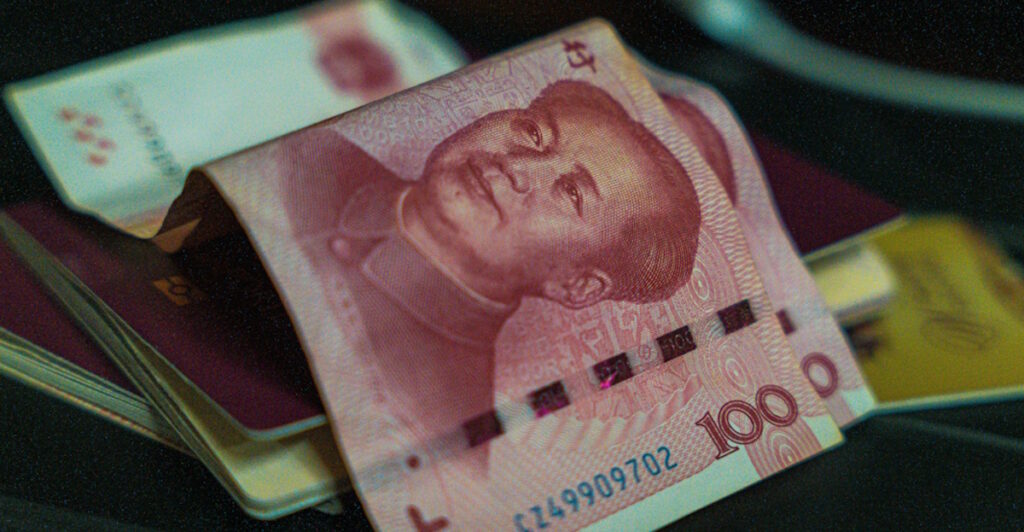
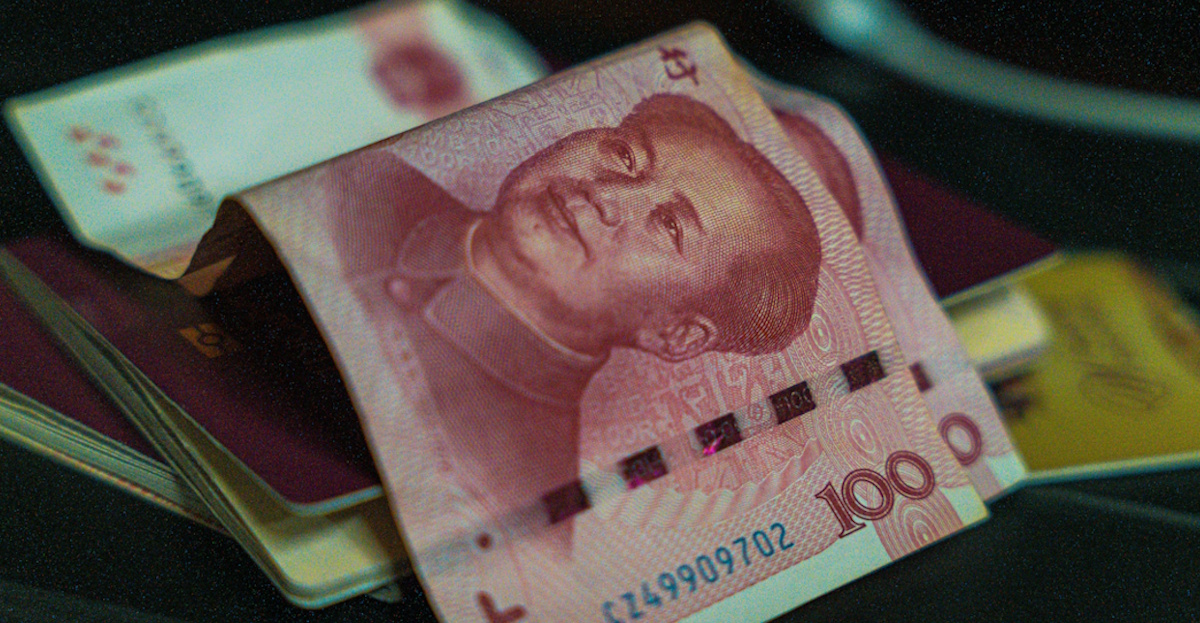
Panda bonds are bonds that are offered by non-Chinese parties, such as foreign governments, corporations, financial institutions and multilateral organizations, and are offered to investors in China directly in the onshore bond market. The instruments were born from the Chinese cultural symbol, as they’ve emerged as one of the most important tools to be used in the internationalization of the renminbi and to raise funds from China’s large capital pool of domestic investors, much of which is currently focused on the highly liquid interbank bond market. Panda bonds offer direct access to mainland China’s abundant capital markets, and typically sell at more competitive prices than their dollar-denominated rivals.
The idea came up in October of 2005 when the Asian Development Bank (ADB) and the International Finance Corporation (IFC) simultaneously sold Panda bonds, totaling some 1.13 billion yuan and 1 billion yuan respectively that bore a 10-year maturity and yields of about 3.3-3.4%. Restrictions were placed on use and repatriation of proceeds in early issuances, resulting in some restrictions of further participation. Many such hindrances were eliminated following regulatory changes in the year 2010, and further liberalization with simplified registration processes through the National Association of Financial Market Institutional Investors (NAFMII) and the new Bond Connect programs paved the way to speed up expansion.
For years, the amount of emission has stayed small and outstanding amounts had not exceeded RMB 125 billion at the end of 2017. But the outbreak of this saw rates shoot up as a result of favorable interest rate disparities, China’s policy efforts on RMB internationalization and geopolitical desire to fund diversification. The gross issuance in 2023 amounted to RMB 155 billion. It reached a new record of RMB 194.8-195 billion in about 110 transactions in total during 2024, mostly in interbank transactions and involving nearly 95% of all transactions by 44 issuers. Momentum kept a fly going into 2025, after more than RMB 170 billion was issued, and into its first quarter of 2026, when it featured 45 deals and volumes increased by 101.45%, or booked RMB 88.24 billion ($12.9 billion) which was an all-time high. As of the middle of the 2020s, the cumulative registration is expected to reach RMB 700-769 billion in interbank market, and outstanding Panda bonds for the first time outnumbered the Japanese Samurai bonds.
This growth has been inspired by a wide variety of issuers. The multilateral development banks, like the Asian Development Bank (ADB), Asian Infrastructure Investment Bank (AIIB), and the New Development Bank (NDB), continue to operate, and recently new sovereign issuers like Hungary, Poland, Egypt, Philippines and, more recently, Pakistan have done so. Many multinational companies have also joined, such as Daimler, BMW, Volkswagen, BASF, HSBC and Standard Chartered. Typically, maturities are short to medium, and over the last couple years yields have often been in the sweet, often below the level of competition in the USD borrowing market as a result of different monetary policies worldwide (4-figure values are common, especially for 3-year bonds).
This fast growth can be attributed to a number of reasons. The lower policy rates have provided a clear cost advantage for China, pushing yields for Panda bonds to an average of 2.15% – 2.8% during 2024 – 2025. The issuers are also granted access to the second largest bond market in the world, (circa) RMB 120-177 trillion, as well as a large number of domestic institutional investors, characterized by high liquidity. Panda bonds are an attractive option for many emerging markets and corporations seeking to hedge against the significant dependence on USD borrowing that conflicts with a turbulent geopolitical climate. Since 2022, regulatory transparency and relaxation of restrictions on cross-border fund flows have also been supportive of participation. The trend of ‘green’, ‘social’ and ‘sustainability’ bonds, known as Panda bonds, has also started gaining momentum, making them even more attractive for those who have a mindfulness for the environment.
From the point of view of issuers, it allows for reducing financing costs, diversifying financing sources, increasing visibility in the Chinese market, and boosting bilateral economic relations. Deeper capital market internationalization, more foreign capital inflows and RMB’s use in international trade and reserves are the benefits to China. However, risks remain. The currency fluctuation risk between RMB and the home currency faced by issuers and regulatory and geopolitical risks. To secure good domestic AAA ratings and competitively priced bonds, many sovereign issuers take the approach of multi-lateral bank partial guarantees. New guidelines around repatriation need to be navigated carefully.
For the first time in the history of South Asia, Pakistan launched its bond market with its first-ever sovereign bond offering in May 2026. Islamabad was able to raise RMB 1.75 billion (or USD 250 – 258 million), using a 3-year sustainable development bond offering a record-low 2.5% coupon. There was a massive response for the issue, with orders for over RMB 8.8 billion exceeding the supply. This is an initial portion of an even bigger RMB 7.2 billion initiative, and proceeds will be allocated for more eco-friendly initiatives in water, energy and health. The domestic AAA rating was facilitated by a commitment from the ADB and AIIB. The commitment of the ADB and AIIB facilitated the securities’ AAA rating by the domestic credit rating agency. Finance Minister Muhammad Aurangzeb termed the issuance a distinctive step that enables Pakistan, being the first sovereign issuer from South Asia, to tap the deep capital market of China, move out of the dollar debt dependency and build closer financial relationship with Beijing. The low cost of the RMB borrowing offers good fiscal breathing room and fits into the overall economic cooperation schemes like the China-Pakistan Economic Corridor (CPEC) under which China has also raised the external debt to around $130 billion and the stock of external reserves to about $16 billion, under the regime of economic reforms assisted by the IMF.
The Panda bond market has great prospects for further development and growth in the future. Quarterly records from early 2026, along with new sovereign entrants, indicate a further global trend towards diversification of the RMB. The development of China’s bond market is expected to increasingly become a part of international finance as the bonds are increasingly included in global indices, and as the regulatory system is developing. They can not only deliver immediate cost reductions but can give a larger power sphere of influence in a multipolar economic environment as well!
Starting from simple issues in 2005 to its use to near to RMB 200 billion in recent highs, Panda bonds are a fine example both of the rising financial power of China and also pragmatic decision of both emerging and developed economies. The launch of this debut marks an important new phase, where emergency financial needs are also met by benefits for long-term geopolitical and economic cooperation in one of the world’s exciting capital markets.