
by Sebastien GOULARD
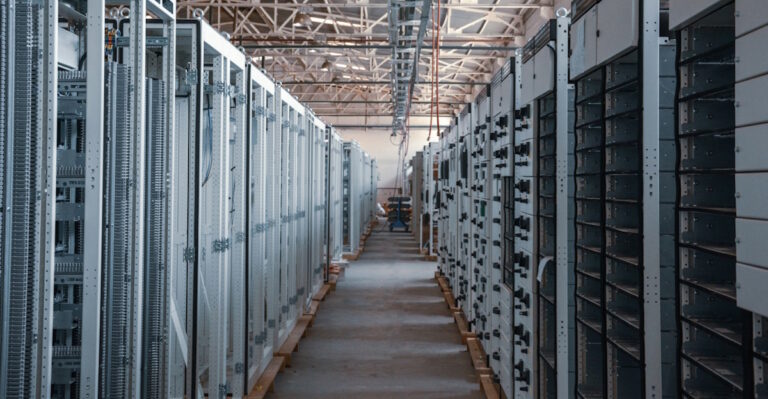
During the night of 11–12 October, the temperature settings of refrigerators and freezers in nearly 700 French supermarkets were hacked. In some cases, temperatures reached 50°C, triggering several small fires and resulting in the loss of several tonnes of fresh food. In early November, around a dozen other European countries were hit by a similar attack.
Following an investigation, France’s Cyber Crisis Coordination Centre (an interministerial body) identified the Shahid Kaveh unit as responsible for carrying out the attack and the Islamic Revolutionary Guard Corps (IRGC) as the entity behind it. Iran, through its Ministry of Foreign Affairs, immediately rejected these accusations.
Iran and Its Hybrid Warfare Strategy
Since the beginning of the Strait of Hormuz crisis in February 2026, Iran has stepped up its hostile activities, not only in the Middle East but also in Europe. The Iranian regime has not hesitated to launch missiles and drones against both military and civilian targets in Israel and the Gulf monarchies. Iranian officials have directly threatened European countries, particularly Germany and Italy, with missile attacks should US military operations be launched from their territory. However, Iran’s threats are not limited to military action: they are also intended to destabilise European societies and economies.
The Iranian regime has developed a network of proxies and intermediaries within European civil society, particularly through pro-Palestinian organisations. Since the terrorist attacks carried out by Hamas on 7 October 2023, it has not been uncommon to see flags of the Islamic Republic of Iran flying at the numerous pro-Palestinian demonstrations held in France. This Iranian presence is sometimes overlooked or downplayed by certain political leaders on the left of the political spectrum.
During the latest student demonstrations that shook France in October, Iran expressed concern over the police crackdown carried out by the French authorities. Yet, at the very same time, the Iranian judiciary was executing five protesters. Several reports have highlighted Iranian disinformation campaigns targeting the student demonstrations in France. Accounts linked to Iranian diplomats have been spreading fake news, -including claims that several thousand protesters had disappeared-, in an attempt to damage France’s and Europe’s reputations while downplaying Iran’s own crimes.
Refrigerators: Just the First Step?
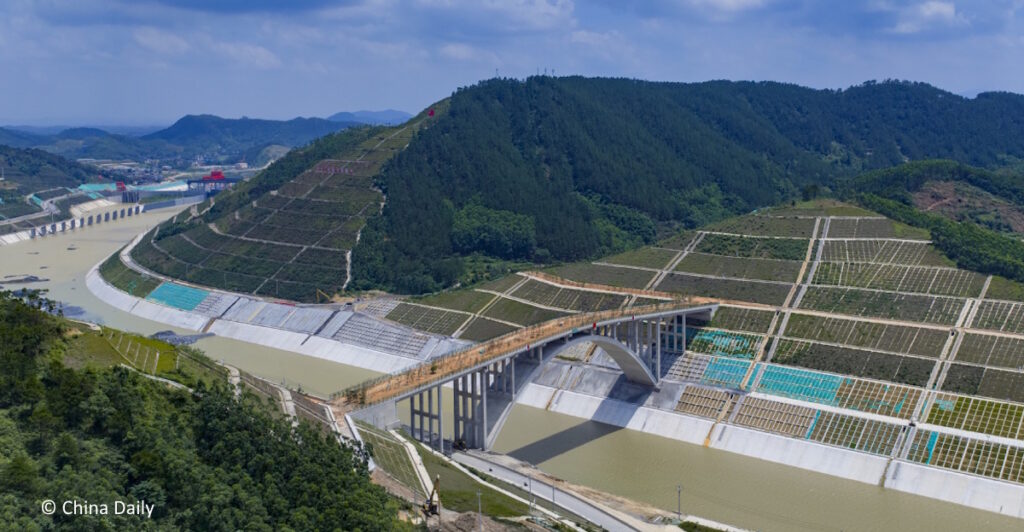
French authorities have noted that supermarket refrigerators and freezers were not the only targets of this attack. Equipment at small hydroelectric facilities was also targeted, although these operations were less successful.
Nevertheless, concerns remain high over hostile activities carried out by state actors. The Iranian regime is seeking to exploit vulnerabilities in Europe’s social and economic model. Other, more strategically important facilities could therefore become targets for Iran or Russia. German authorities, for instance, have accused Moscow of carrying out the drone attack against Leipzig Airport last September.
Cyberattacks and other forms of covert hostile activity have always existed, but we are currently witnessing a significant escalation of this phenomenon. The Internet of Things (IoT) is creating new vulnerabilities for our societies. All our devices, from the most ordinary to the most strategically important, can be targeted in this way if they are interconnected.
Raising Awareness
This cyberattack was facilitated by a failure to install software updates. In the case of supermarket refrigerators, the vulnerability was already known, but updates had not always been installed, or the equipment was simply too old.
In the face of these emerging threats, raising awareness among economic stakeholders about the risks of cyberattacks has become a strategic priority. It is also essential to regularly remind them of the importance of installing software updates. This would help prevent financial losses, as in the case of the so-called “fridge crisis”, but also potentially far more serious strategic consequences should other critical infrastructure be targeted.
Strengthening Our Defences
It is also essential to continue strengthening coordination between the various European agencies and services in order to anticipate and prevent such attacks. In France, the National Agency for the Security of Information Systems (ANSSI), which oversees the country’s cybersecurity, has seen its resources increase considerably in recent years. Its annual budget now stands at nearly €150 million, while its workforce has grown from 700 employees in 2021 to more than 1,000 today. This trend must be further reinforced to ensure be tter protection of our digital infrastructure. Similar developments can be observed in other European countries.
A Firm Response
Finally, it is essential to respond firmly to this type of attack. Following the investigation that established Tehran’s responsibility for the cyberattack, Iran’s ambassador to Paris was summoned. However, this is not enough. The consequences must be severe, because our entire economic model, which is built on digital infrastructure, is at stake.
Today, our refrigerators have been targeted. But what about tomorrow? Could our payment terminals or even our autonomous vehicles be next? Globalisation, built on hyperconnectivity, is now under threat from this hybrid warfare.