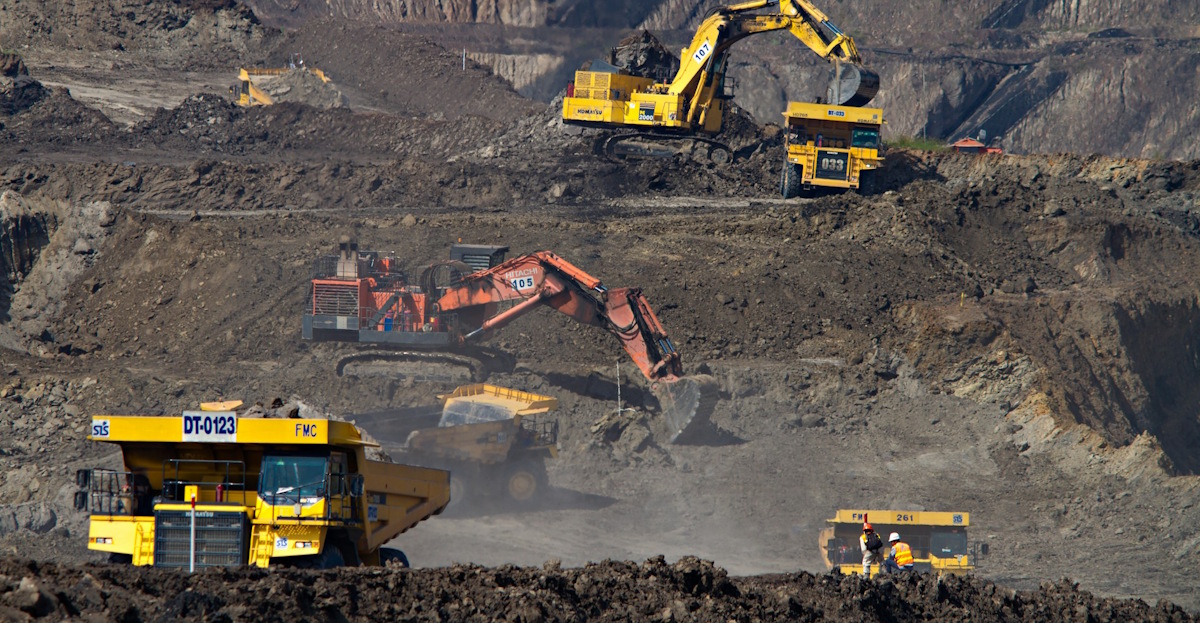
by Sebastien GOULARD
On 7 May 2026, Indonesia and the Philippines signed a memorandum of understanding aimed at establishing a nickel corridor.
The agreement, formalised between the Indonesian Nickel Miners Association and the Philippine Nickel Industry Association, is expected to help both nickel-producing countries better defend their interests in the face of growing global demand for the mineral.
A “win-win” agreement
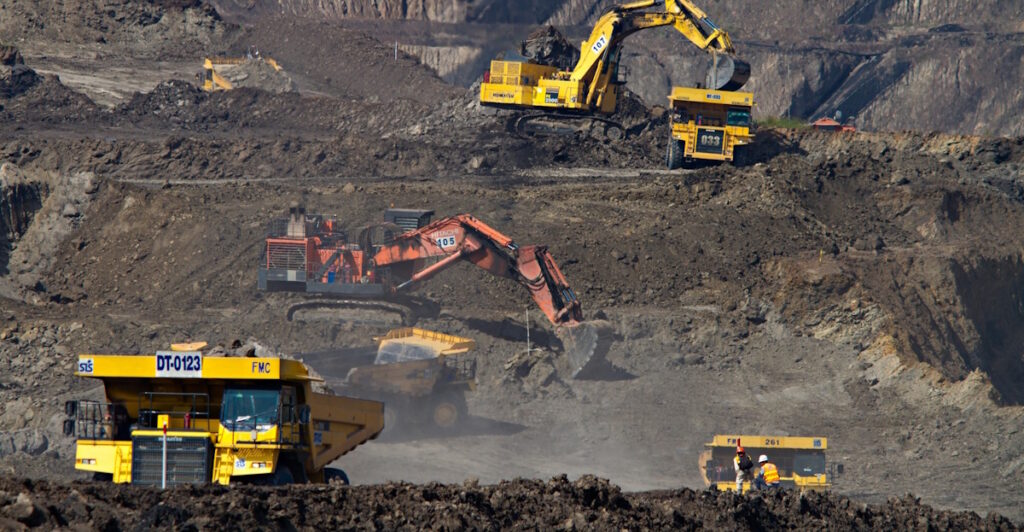
Together, the two countries account for 73% of global nickel production, although there is a significant imbalance in Indonesia’s favour, with Indonesia alone accounting for more than 66% of global output. The Philippines ranks second worldwide, with a 7% share. However, unlike Indonesia, it has developed less of its nickel value chain and exports a large proportion of its output in the form of raw ore.
In just a few years, Indonesia has succeeded in building a competitive nickel processing industry. Since 2020, Indonesia has imposed restrictions on raw nickel ore exports. Although this decision has been criticised by some of its partners, including the European Union, it has enabled the country to move up the value chain and strengthen its strategic autonomy.
The agreement between Manila and Jakarta will enable the Philippines to rapidly develop the infrastructure needed to move up the value chain by acquiring new expertise in smelting and the production of components for electric vehicle batteries. At present, the Philippines primarily exports raw ore. Ore that cannot be processed in the Philippines would be exported to Indonesia.
According to both parties, this agreement is feasible because it does not create competition but rather fosters complementarity. Indeed, nickel extracted in the Philippines has a lower silica-to-magnesium ratio than Indonesian nickel, allowing it to complement Indonesia’s supply.
This cooperation is expected to facilitate data sharing between Philippine and Indonesian stakeholders, the establishment of a dialogue platform for participants in the nickel industry, and the exchange of best practices on skills development and environmental and social standards. It is also expected to support investment promotion in the sector.
The Nickel Corridor and ASEAN
Just as the European Union initially grew out of cooperation in coal and steel, the nickel corridor could become a driver of regional integration in Southeast Asia and give ASEAN a new lease of life.
In October 2025, ASEAN’s principles for sustainable minerals development were unveiled. They are intended to promote regional best practices in support of the green and energy transitions. One of the ten principles is “mining governance capacity”, which aims to strengthen institutions and the regulatory framework to ensure effective management of the mining sector. Three other principles concern social performance, health protection and environmental protection. These could all come under pressure from the rapid expansion of nickel mining. In both the Philippines and Indonesia, local communities have raised concerns about the environmental, health and social costs of nickel mining.
The challenge of diversification
The agreement between Indonesia and the Philippines could nevertheless face criticism, or even pressure, from the international community, which might regard this new corridor as a cartel. In 2020, Jakarta’s decision to restrict nickel exports had already prompted the European Union to challenge the measure before the World Trade Organization (WTO). However, the international context has changed since 2020, and major powers are seeking to secure access to strategic resources such as nickel.
In early 2026, the United States and the Philippines signed an agreement on critical minerals aimed at developing nickel processing in the Philippines, notably through the creation of an industrial hub in the Luzon Economic Corridor. European countries have also expressed interest in this corridor and may welcome closer cooperation between the Philippines and Indonesia as a means of securing access to strategic resources such as nickel.
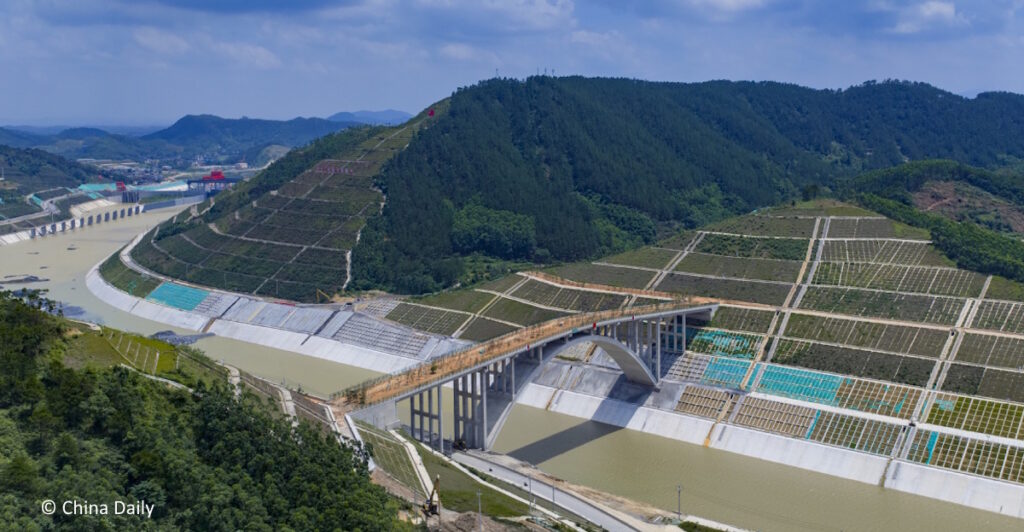
The development of nickel production and its value chain in Indonesia is a direct consequence of restrictions on raw ore exports. These restrictions have compelled foreign companies to invest in the country. Indonesia has capitalised on the arrival of these foreign investors to diversify its partnerships. Chinese, European and South Korean companies have invested in nickel production and smelting in Indonesia. In addition to providing technical expertise, these major companies have also committed to complying with high social and environmental standards.
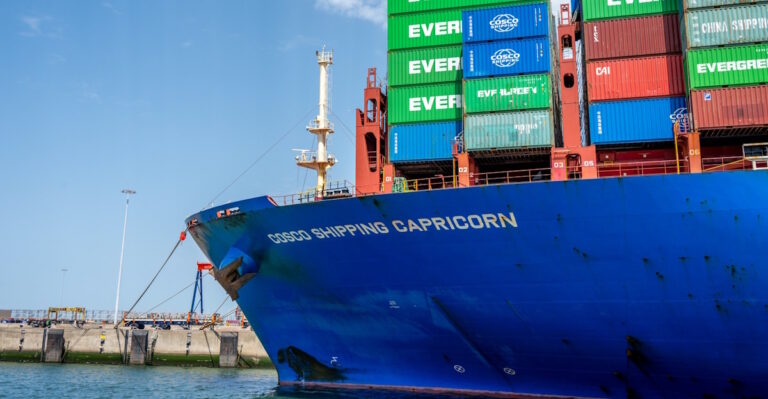
Although Indonesia has succeeded in diversifying its partnerships in nickel production and mining, it remains heavily dependent on China as the main market for its output. This is due, in particular, to the importance of nickel in electric vehicle manufacturing, a sector dominated by China. Greater coordination between Indonesia and the Philippines would give both countries greater leverage vis-à-vis China, particularly in determining purchase prices.
Indonesia’s next step will be to move further up the value chain by manufacturing batteries and electric vehicles domestically. Indonesia has made no secret of its ambition to become a global industrial hub for battery manufacturing.