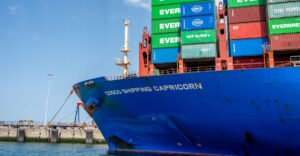
When Neighbors Become Adversaries: The US-Canada Trade Crash and the End of North American Trust
The US-Canada trade dispute shows how tariffs can turn economic interdependence into a weapon, undermining decades of cooperation.

The US-Canada trade dispute shows how tariffs can turn economic interdependence into a weapon, undermining decades of cooperation.
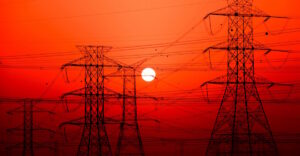
CASA-1000, a strategic energy project, needs political and security stability between Pakistan and Afghanistan.
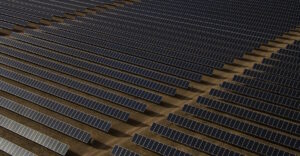
The debate over China’s “overcapacity” extends well beyond economics, reflecting a broader geopolitical contest over industrial leadership.
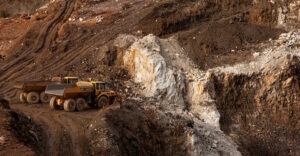
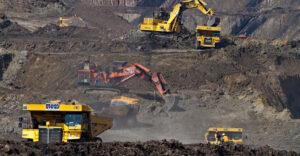
The future of the Reko Diq mine will depend on Pakistan’s ability to provide security and political stability in Balochistan.
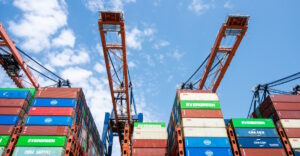
The performance of a logistics corridor should be measured not only by transport speed, but also by its ability to bring products to market.

China’s rising imports and high-tech exports reflect a new trade model that positions the country as a major driver of global demand.

Pakistan is reshaping regional connectivity by developing new corridors through China and Iran, strengthening its role as a logistics hub.

The Pakistan–Saudi digital corridor marks a new phase in their strategic partnership, strengthening connectivity and innovation.
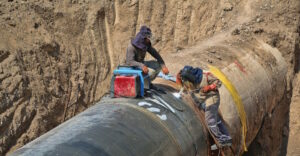
The ceasefire between Iran and the USA could revive the Iran-Pakistan gas pipeline, turning a long-stalled project of energy security.
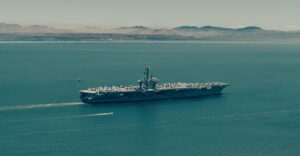
The Settebello incident highlights how geopolitical rivalries are turning commercial sea lanes into arenas of confrontation.