by Sebastien GOULARD
Singapore is often ranked among the Asian cities offering the highest quality of life. It is widely regarded as a pleasant place to live. However, the city-state regularly suffers from pollution caused by forest fires in Indonesia during the dry season. Singapore has experienced prolonged periods of severe air pollution, with the toxic haze becoming a source of tension with its Indonesian neighbour.
Nevertheless, the two countries are working together to address this environmental and economic challenge.
Forest Fires in Indonesia: Causes and Consequences
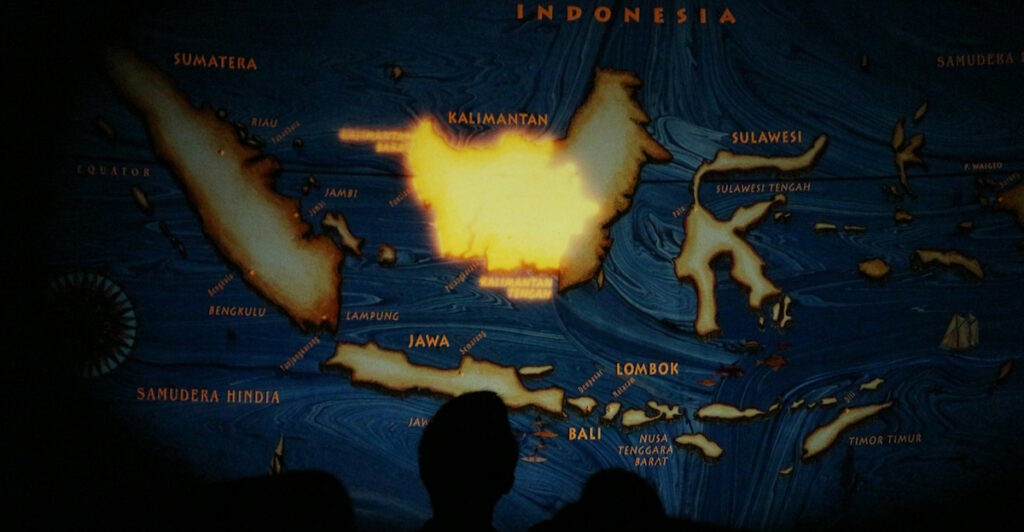
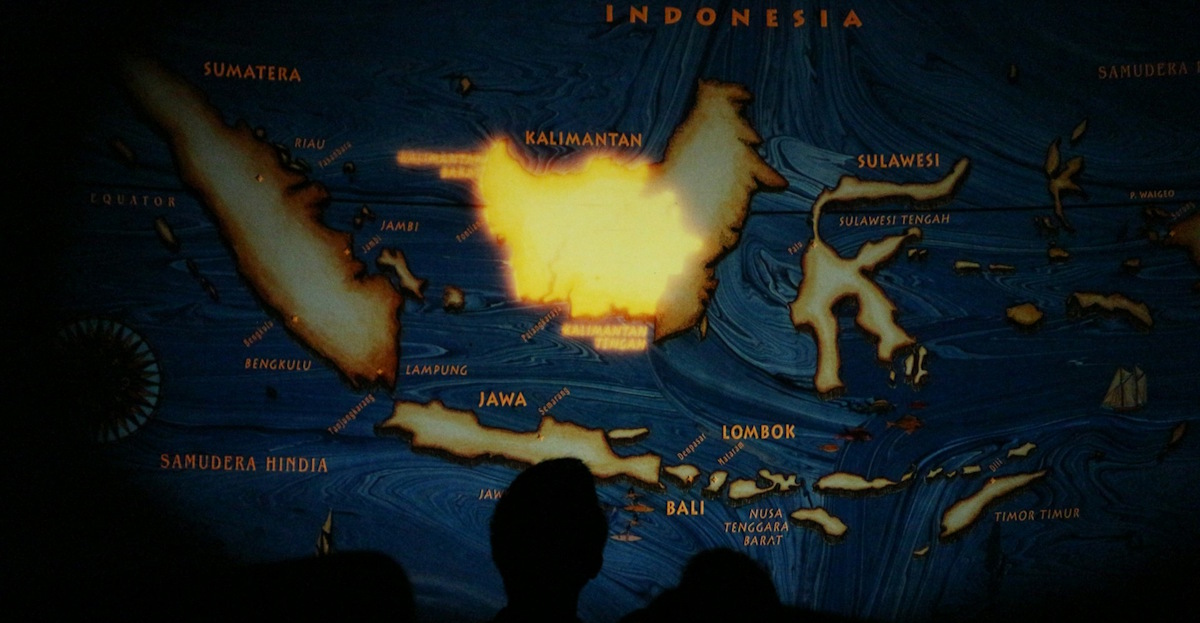
Although these fires are exacerbated by the El Niño weather phenomenon, they are primarily caused by farmers and plantation operators seeking to clear land at minimal cost in order to expand agricultural areas or develop mining activities. After several years of declining deforestation, Indonesia recorded a new high in 2025, with deforestation reaching 433,751 hectares.
Some observers point to the responsibility of recent Indonesian governments, which have facilitated deforestation to make way for new infrastructure projects, such as the “National Strategic Projects”, whose construction has been authorised in forest areas. These policies have also aimed to expand agricultural land and thereby ensure the country’s food self-sufficiency.
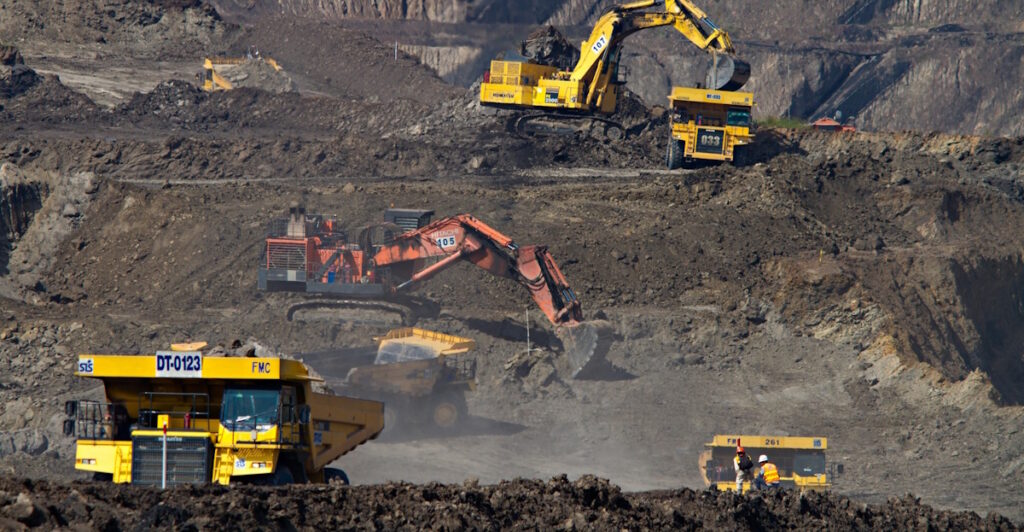
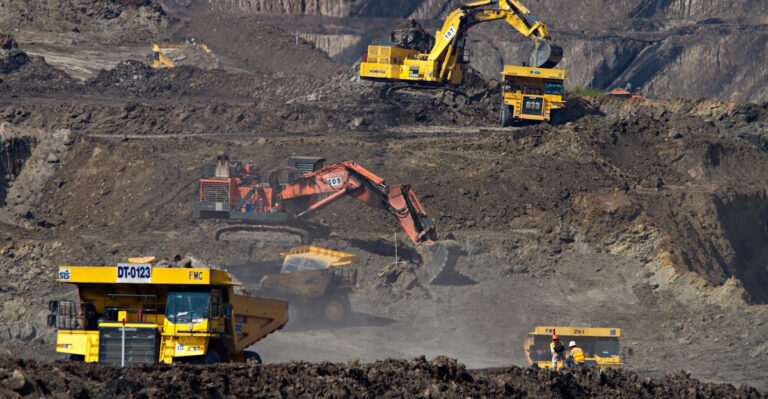
The expansion of mineral extraction, particularly nickel mining, is another driver of deforestation. Indonesia is the world’s leading nickel producer.
This pollution also affects agricultural yields, particularly palm oil production, as it makes pollination more difficult for oil palm trees. Economically, the crisis has caused numerous delays and cancellations in air traffic, a particularly sensitive issue in this island nation. It has also had direct consequences for the health of Indonesians: more than 400,000 cases of acute respiratory infections were reported between August and November across seven provinces in Borneo and Sumatra.
This environmental crisis is a thorn in President Prabowo Subianto’s side, as part of the population accuses the authorities of failing to take sufficient action. When criticism of the pollution began to gain momentum last July, the president questioned the patriotism of the protesters. This did not prevent some Indonesians from taking to the streets. Environmental demands have also become intertwined with other grievances raised by student movements, further undermining the country’s stability.
Protests from Neighbouring Countries
These episodes of toxic haze have sparked political tensions with Singapore and Malaysia, where consumers have begun boycotting products originating from Indonesia.
Residents of both countries are calling on their respective governments to take action against Jakarta. This has fuelled tensions and, to some extent, offended Indonesian national pride. The Indonesian government initially responded by reducing its natural gas exports to Singapore (a largely symbolic gesture with little practical impact, since Indonesian natural gas accounts for only 2% of Singapore’s daily gas demand).
Furthermore, the Indonesian government rejected the assistance offered by Singapore and Malaysia, stating that it was capable of managing the crisis using its own resources.
A Singapore-Indonesia Task Force
Nevertheless, the Singaporean and Indonesian governments reached a cooperation agreement in late October to combat illegal forest fires. A joint task force was subsequently established.
Singapore remains one of Southeast Asia’s leading financial centres, and many Indonesian companies rely on its financial services. Under the new agreement, Singaporean authorities will share financial information on companies involved in illegal forest fires with their Indonesian counterparts, regardless of whether those companies are Indonesian, Singaporean or of other nationalities. The aim is to hold companies involved in these fires accountable and to strengthen cooperation in intelligence-sharing and evidence gathering.
Environmental Cooperation within ASEAN
Rainfall in early November helped reduce the haze, and air quality in Singapore returned to breathable levels. Nevertheless, this crisis should help accelerate regional cooperation on air pollution. Following the major forest fires of 1997–1998, ASEAN member states signed the 2002 ASEAN Agreement on Transboundary Haze Pollution. However, its implementation relies on the goodwill of the parties, and there are no penalties for non-compliance.
Indonesia wants stronger regional coordination in the fight against forest fires to be among the topics discussed at the next ASEAN summit, which will take place in Manila from 15 to 18 November. Jakarta would also like ASEAN member states to ratify the agreement establishing the “ASEAN Coordinating Centre for Transboundary Haze Pollution Control”.
This enhanced coordination will be an important step towards preventing future environmental crises. However, it will need to be accompanied by better governance within Indonesia itself and a reassessment of certain government policies.