by Khansa Waris
COP31 will take place in Antalya, Türkiye, from 9 to 20 November 2026. The United Nations calls it a chance to speed up climate action and strengthen cooperation. The harder question is what it will deliver. Governments already hold many climate promises, yet communities in the Global South still face floods, heat, drought and food insecurity. COP31 will matter only if it closes the gap between promises made in conference halls and help that reaches people.
The host presidency answers with an “implementation” agenda. It has named ten priority themes and set three headline goals for 2035: raise electricity’s share of global final energy use from just over 20% to 35%, halve the growth in global waste, and improve energy efficiency in buildings by at least 25%. These targets are concrete, but they are political goals, not binding obligations, and analysts note that they avoid the fossil-fuel and finance disputes that have stalled recent summits. A practical agenda can still fail the countries most at risk if money and accountability are left out.
Electrification shows why. Using electricity instead of oil, gas and coal in transport, buildings and industry can cut emissions and reduce exposure to imported fuel prices. In 2024 Pakistan imported about 17 gigawatts of solar panels, double the 2023 figure, as households and businesses looked for cheaper power. People adopt clean energy quickly when it saves money. But the boom happened largely outside public planning, and if better-off households leave the grid while the poorest stay on it, the cost of running the system falls on those least able to pay. An electrification target helps only if it comes with finance for grids, storage and fair tariffs.
Waste looks minor beside energy, yet the presidency expects some of the fastest results there. Organic waste in landfills releases methane, a gas that warms the planet quickly but also leaves the atmosphere fast, so cuts show up sooner. In growing cities, uncollected rubbish also blocks drains and worsens urban flooding. Efficient buildings work the same way: shade, insulation and better cooling make homes safer in a heatwave and cut energy bills. Both goals pay off locally, but cities need money for collection systems and building upgrades, not only targets.
Climate change is global, but its costs are not shared equally. Countries differ in their historical contribution to greenhouse gas emissions, their ability to protect people, and their access to finance and technology. Many developing countries face serious climate risks while carrying debt, poverty and thin infrastructure. For them, adaptation is not an optional environmental project. It protects homes, livelihoods and health.
Pakistan shows what is at stake. Floods, heatwaves and water stress can hit agriculture, transport, housing and public services. The 2022 floods affected more than 33 million people and killed more than 1,700. The post-disaster assessment put damage at US$14.9 billion and economic losses at US$15.2 billion, with at least US$16.3 billion needed for rehabilitation. Climate change does not explain every disaster, and exposure and poor planning also shape losses. Still, when climate hazards meet weak infrastructure and tight budgets, costs spiral beyond what one country can carry. Both emission cuts and adaptation are essential: cutting emissions limits future warming, while adaptation reduces harm from the climate effects already being experienced. Countries also need support for losses that cannot be avoided.
Finance is where the agenda will be tested. At COP29 in Baku, governments agreed on a new climate finance goal: developed countries are to take the lead in mobilising at least US$300 billion a year by 2035, within a wider call for US$1.3 trillion from all sources. Many developing countries said this was too little. Pakistan’s rehabilitation needs after the 2022 floods equal roughly one-twentieth of that annual global goal, for one disaster in one country. Developing countries need to know whether funds are new, predictable and affordable. Loans can fund some projects, but heavy debt leaves vulnerable states paying twice, once for the damage and again for the borrowing. Grants and concessional finance matter most for projects such as flood defences and early-warning systems, which cannot earn commercial returns.
That is why implementation must be measurable. Governments should report where climate finance comes from, when it arrives, what it paid for and which communities benefited. The Global South is also not one bloc. Small island states, least developed countries and major emerging economies face different risks, and some depend heavily on fossil-fuel exports. Developing countries carry responsibilities too: public funds must be managed openly, and climate plans should rest on evidence. A transition that raises costs for low-income households without offering alternatives will not last.
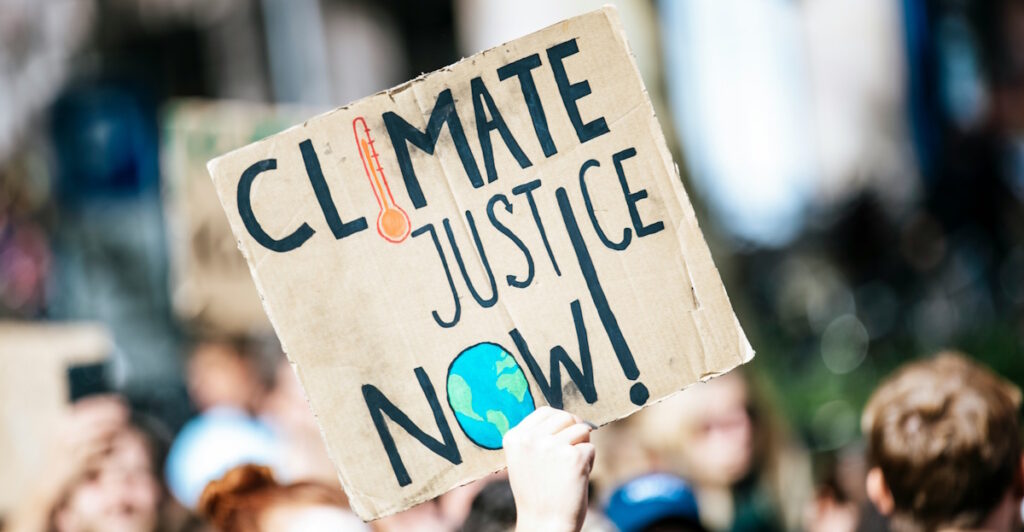
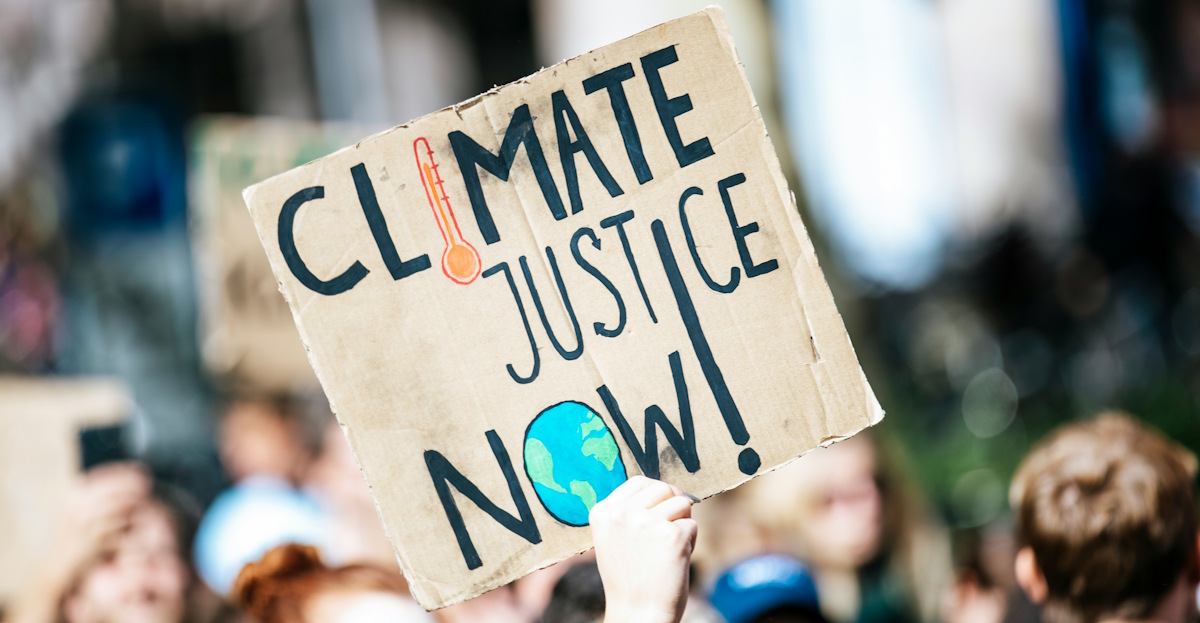
COP31 cannot settle every dispute in two weeks. Negotiators should resist language that sounds ambitious but lacks funding, timelines or accountability, because transparency is the basis of trust between countries. For vulnerable states, climate justice means fair access to the resources needed to reduce risk. For wealthier and higher-emitting countries, credibility depends on matching commitments with real support and faster domestic action. COP31 should be judged by one test: does it make climate protection more achievable for the people most exposed to harm? If not, the language of solidarity will stay ahead of reality.