by Abraiz Ali AHMAD
The Governor of Khyber Pakhtunkhwa, Faisal Karim Kundi, and Ambassador of TajikistanYusuf Sharifzofa met on July 22, 2026, in Islamabad. Both officials discussed CASA-1000. In the meeting, the Tajikistan ambassador discussed delays in the project’s progress. They agreed the delay is mostly on the Afghan side, and the project is expected to be completed in 2027. Both statesmen agreed that CASA-1000 is crucial and that the delay is mostly due to technical reasons.
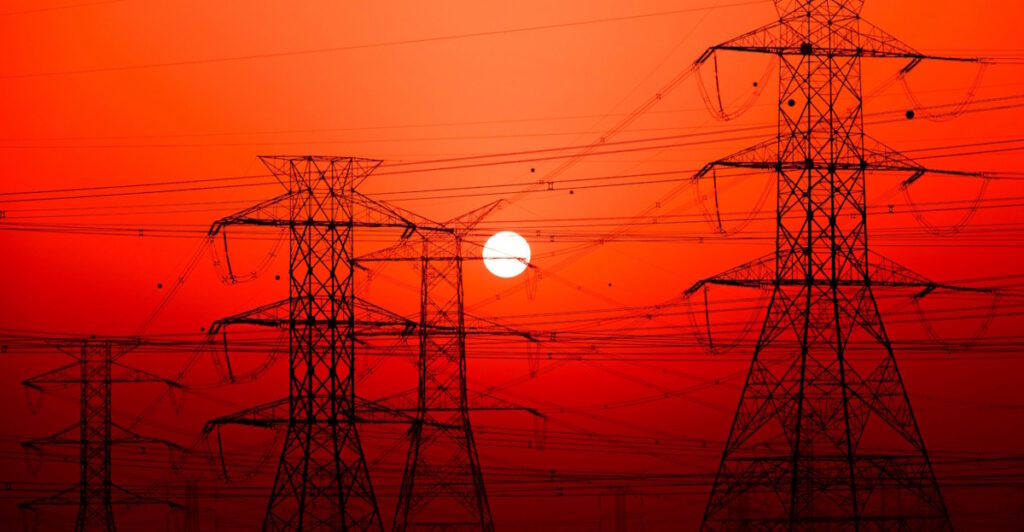
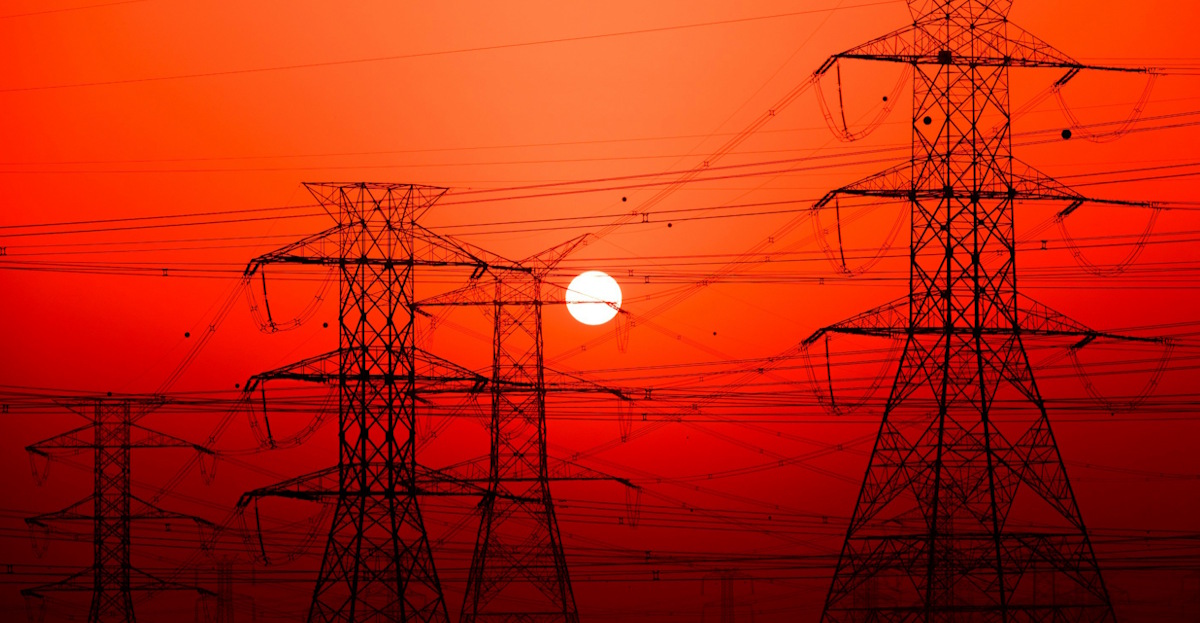
CASA-1000, a US$1.2 billion regional energy corridor intended to connect Central and South Asia. It is designed to transmit 1,300 MW of surplus summer hydropower from Kyrgyzstan and Tajikistan to Afghanistan and Pakistan, around 300 MW for Afghanistan and 1,000 MW for Pakistan, with an initial target of roughly 4.6 billion kWh of electricity trade annually. It will give Kyrgyzstan and Tajikistan an export market for surplus electricity, provides Afghanistan with electricity and transit revenues, and offers Pakistan an additional source of electricity during periods of high summer demand.
CASA-1000 faces a challenge unrelated to its technical sustainability, yet it could still heavily impact the project. In February 2026, Pakistan’s Defense Minister publicly described the situation with Afghanistan as an “open war” between the two countries. On August 21, 2026, the Pakistan military announced that 49 militants had been killed in an intelligence-based security operation conducted in Khyber Pakhtunkhwa and Balochistan. CASA-1000transmission lines run through a politically unstable region. This has exposed its vulnerability and its dependence on politically and militarily unstable routes. Once the Afghan segment is finished, the system can move to testing and operation. According to the World Bank, if CASA-1000 is not completed and operationalized, the other three participating countries face extreme economic losses, with approximately US$1 billion worth of infrastructure at risk of becoming stranded.
Progress is happening, but it is unfolding alongside intense Pakistan-Afghanistan tensions. The recent clashes add another layer of uncertainty to a project whose success depends on the very corridor linking Pakistan with Central Asia. The clashes themselves are not the cause of the project’s delays; most of them occurred before the current conflict. The real concern is what a prolonged conflict could do to the remaining construction, testing, and operation. CASA-1000 cannot function until the Afghan sites are completed, since Afghanistan is the central link connecting all four participating states; its 575 km of HVDC line is also the longest single stretch in the network, underscoring how critical the country is to the project’s success.
For Kyrgyzstan and Tajikistan, CASA-1000 offers a way to monetize surplus hydropower that might otherwise go underutilized in summer. For Afghanistan, it offers both electricity and transit-related economic benefits. For Pakistan, it offers access to up to 1,000 MW of imported electricity during the summer months, part of the project’s overall 1,300 MW capacity, and a chance to diversify its energy supply. But these benefits depend on a functioning regional chain; if one link becomes unreliable, the entire project becomes vulnerable. These points underscore the project’s importance for all participating states.
The current situation should compel both states to shift toward de-escalation. Securing CASA-1000 cannot be treated lightly. Its long-term sustainability depends on mechanisms that can protect its infrastructure, maintain cross-border coordination, and insulate economic projects from sudden political crises. This offers a broader lesson for Pakistan’s connectivity ambitions. Islamabad increasingly sees Central Asia as an important destination for trade, energy, and economic cooperation, but routes through Afghanistan are not safe enough amid these escalations.
CASA-1000 was designed on the assumption that electricity could become a vehicle for regional cooperation. The growing Pakistan-Afghanistan tensions create a strategic risk for CASA-1000 because the project depends on Afghanistan as the physical link between Central and South Asia. For Pakistan, prolonged instability could threaten access to the electricity CASA-1000 is intended to provide while also weakening Islamabad’s wider efforts to strengthen economic and energy ties with Central Asia. For Afghanistan, disruption could reduce expected transit-related economic benefits and electricity access, while making the country appear less reliable as a regional connectivity corridor. At the regional level, the problem is even broader: CASA-1000 demonstrates that infrastructure alone cannot guarantee connectivity when political and security conditions remain unstable. If tensions continue, other regional connectivity projects that depend on routes through Afghanistan could face similar concerns. The project therefore requires not only completion of its remaining infrastructure but also political coordination and security arrangements that can protect cross-border economic cooperation during periods of tension.
Current Pakistan-Afghanistan tensions question the assumption on which CASA-1000 was designed. But the project should not be abandoned because of this vulnerability. Policymakers should recognize that connectivity does not automatically produce stability; sometimes stability must come first for connectivity to deliver its promised benefits. Pakistan and Afghanistan should resolve their outstanding disputes as quickly as possible. CASA is economically and strategically significant, and no side will allow it to become collateral damage in a conflict that negotiations could avoid; the remaining towers can be built, and electricity can flow between the two states, but it depends on the governments. Above all, the US$1 billion loss faced by the participating countries is significant for economically struggling states. Do they want collaboration that benefits all, or will conflict affect everything?