
by Sebastien GOULARD
COP17 on biodiversity, held under the presidency of Armenia, concluded on 31 October. Although negotiations were long and difficult, extending late into the night, they resulted in a major document: the Yerevan Pathway, which is expected to set the direction for the coming years.
The Yerevan Pathway
Unlike previous agreements, such as the Kunming-Montreal Agreement adopted at COP15, the Yerevan Pathway does not set new targets for ecosystem protection or restoration. Given the current international context, the negotiations failed to reach a consensus. A pragmatic approach was therefore preferred, one that some might describe as realistic, focusing on the financial efforts required by 2030.
The first priority concerns the funding of activities that are most destructive to the environment. Under the agreement, nearly $500 billion in annual public subsidies granted to the most environmentally harmful sectors, such as fossil fuel extraction, should be phased out or redirected towards greener sectors.
The second priority aims to increase funding for nature, particularly financial contributions from developed to developing countries. This includes recapitalising the various funds with an additional $2 billion, as well as introducing “debt-for-nature swaps”. These mechanisms enable developing countries to reduce their external debt in exchange for investments in biodiversity protection.
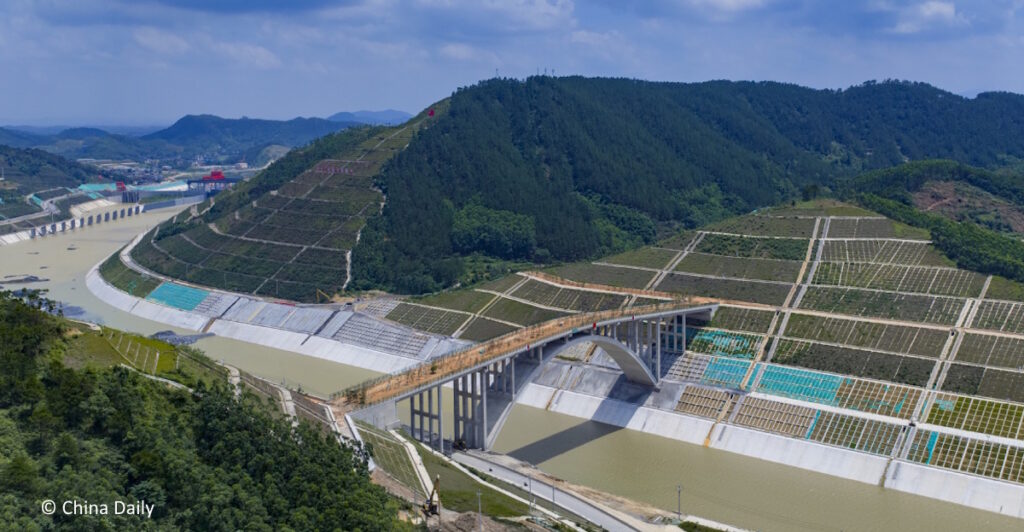
The Yerevan Pathway also calls on individual states to improve coordination between their ministries of finance and environment, so that the environmental impact of their policies is better taken into account. Signatories therefore commit to incorporating the “value of ecosystem services” into their budgets. This measure should make it possible to assess, in financial terms, the environmental losses resulting from the construction of new infrastructure, notably by encouraging the implementation of the System of Environmental-Economic Accounting – Ecosystem Accounting (SEEA-EA), which is currently used primarily in Europe, but also in China, albeit with certain variations.
Finally, to ensure that the commitments made by signatories are monitored, the Yerevan Pathway proposes strengthening the assessment of the actions undertaken by states ahead of the next COP by establishing a new expert group tasked with standardising biodiversity indicators. In addition, signatories must submit progress reports every two years, which will be made publicly available, ensuring that their efforts remain visible to all.
The Sevan Guidelines
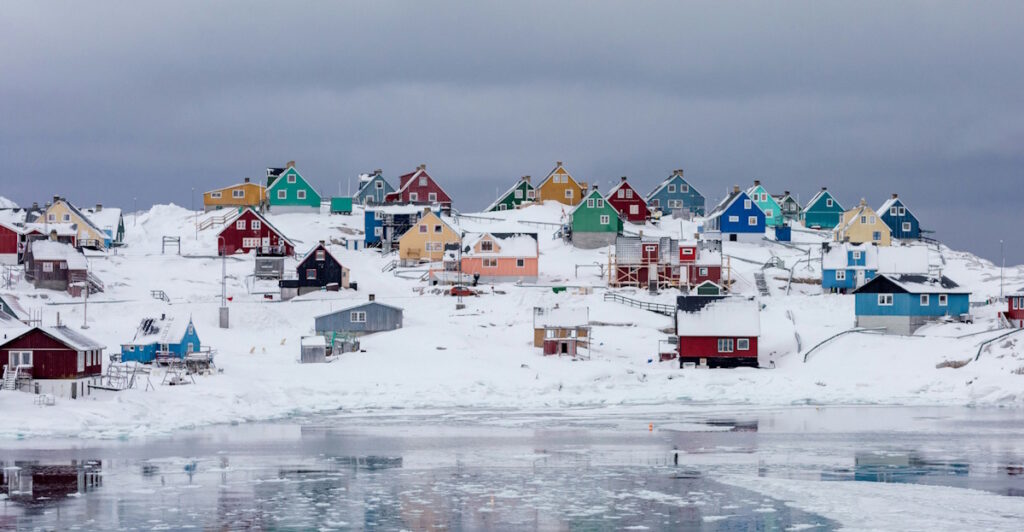
Among the other agreements adopted at COP17 are the Sevan Guidelines, named after Lake Sevan in Armenia. These principles strengthen the role of local communities and protect their traditional knowledge relating to environmental protection. The views of Indigenous Peoples should therefore now be taken into account in major projects. Although some organisations have voiced criticism regarding certain aspects, such as the protection of customary land rights, this nevertheless represents a step forward in formally recognising the inclusion of these communities.
The divide between developing and developed countries
Despite the significant decisions taken at COP17, the international community remains deeply divided over the financing of biodiversity protection. Developing countries argue that it is unfair for them to bear the consequences of environmental destruction historically caused by Europe and North America. They are now demanding financial compensation to help reduce the most harmful, but also the most profitable, activities carried out on their territories, such as mining.
Developed countries, for their part, would like major economies, both in the Global South and the Global North, to be included in the list of countries subject to mandatory funding commitments. At present, this list includes the European Union and its member states, the United Kingdom, Switzerland, Norway, Canada, Japan, Australia and New Zealand. The United States is absent, as it has not ratified the global biodiversity treaty.
Some countries contribute on a voluntary basis, including certain Gulf monarchies, South Korea and China, which opposes being included in the list of mandatory donors.
This debate is likely to continue and could even lead some developed countries to withdraw. Under pressure from public opinion, they might further reduce their financial contributions if China or India are not brought within the scope of these funding mechanisms.
COP17 and the competition for rare earth elements
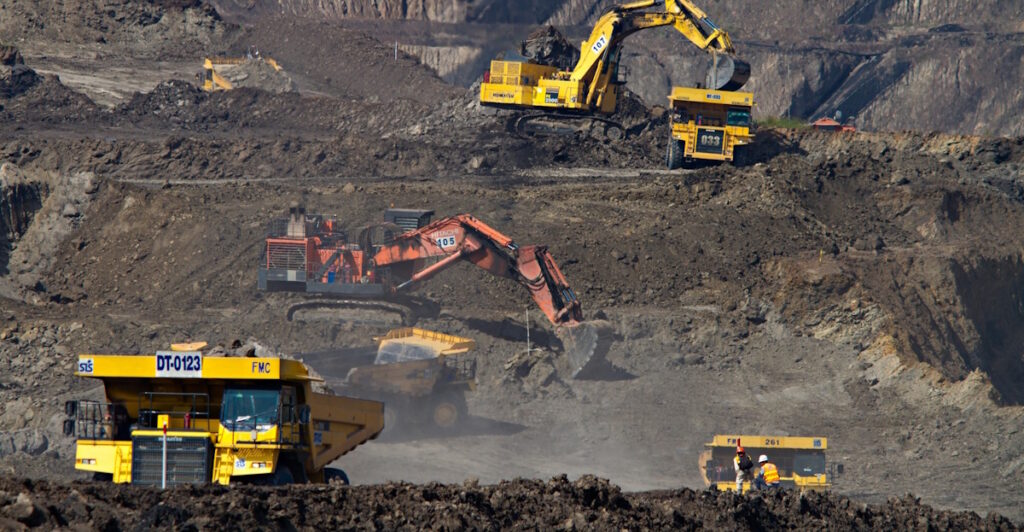
COP17 takes place against a tense geopolitical backdrop, as states seek to secure access to critical minerals and rare earth elements. The challenges posed by the energy transition and artificial intelligence require greater investment in mining, an activity that is particularly harmful to the environment.
How can the principles established at COP17 withstand the pressure exerted by political and economic rivalries? The European Union has begun to lead the way with its Critical Raw Materials Act, which requires extraction projects financed outside the European Union to comply with environmental and social standards.
A victory for Armenia
Finally, COP17 represents a victory for Armenia and its Minister of Environment, Hambardzum Matevosyan, who chaired the conference. Yerevan has demonstrated to the world its ability to bring countries together and build consensus on complex issues.
Like the Paris Climate Agreement, adopted at COP21 in 2015, and the Kunming-Montreal Global Biodiversity Framework, adopted at COP15, the Yerevan Pathway is expected to have a lasting impact on international negotiations on biodiversity protection.