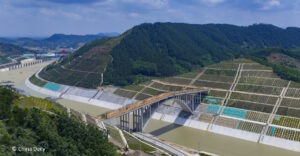
IMEC, Regional Fragmentation, and the Limits of Global Connectivity
IMEC reflects India’s ambition to become a global connectivity hub, but without stability in South Asia, no corridor can transform Eurasia.

IMEC reflects India’s ambition to become a global connectivity hub, but without stability in South Asia, no corridor can transform Eurasia.
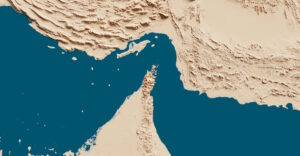
The rivalry between China’s BRI and IMEC is reshaping global geopolitics around the control of strategic corridors and supply chains.

Great power rivalry now unfolds through control of trade routes and infrastructure, where connectivity equals both power and vulnerability.

The war in the Middle East is reshaping global connectivity by weakening some corridors while strengthening others.
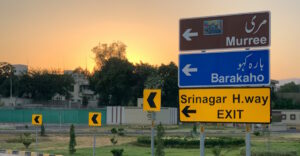
Pakistan’s regional ambitions in Central Asia cannot succeed without deep domestic reforms ensuring stability and effective governance.

Pakistan stands at a turning point where it must shift from relying on singular partnerships like China’s to engaging with diverse investors.

Amid rising U.S. protectionism, both India and China are facing economic pressures that could create opportunities for cooperation.

How can Pakistan successfully navigate through the competition between the China Pakistan Economic Corridor and the IMEC?

The IMEC emerges as a strategic counter to China’s Belt and Road Initiative, aiming to provide a collaborative trade route.

The success of IMEC depends on overcoming geopolitical challenges, securing investments, and ensuring regional stability.