IMEC, Regional Fragmentation, and the Limits of Global Connectivity
IMEC reflects India’s ambition to become a global connectivity hub, but without stability in South Asia, no corridor can transform Eurasia.

IMEC reflects India’s ambition to become a global connectivity hub, but without stability in South Asia, no corridor can transform Eurasia.
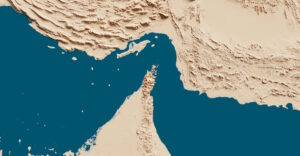
The rivalry between China’s BRI and IMEC is reshaping global geopolitics around the control of strategic corridors and supply chains.
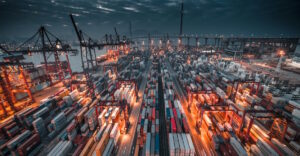
Great power rivalry now unfolds through control of trade routes and infrastructure, where connectivity equals both power and vulnerability.

The war in the Middle East is reshaping global connectivity by weakening some corridors while strengthening others.
The war in Iran is delaying the development of the IMEC, but a lasting weakening of Tehran could ultimately secure this strategic project.
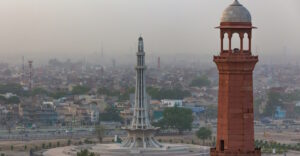
How can Pakistan successfully navigate through the competition between the China Pakistan Economic Corridor and the IMEC?

The IMEC emerges as a strategic counter to China’s Belt and Road Initiative, aiming to provide a collaborative trade route.

The success of IMEC depends on overcoming geopolitical challenges, securing investments, and ensuring regional stability.

The Indian Prime Minister appears determined to push forward once again with the India-Middle East-Europe Corridor (IMEC).

With Houthi attacks, global trade faces disruption. Alternative routes, like the Cape of Good Hope and rail options, emerge amidst tensions.