by Sebastien GOULARD
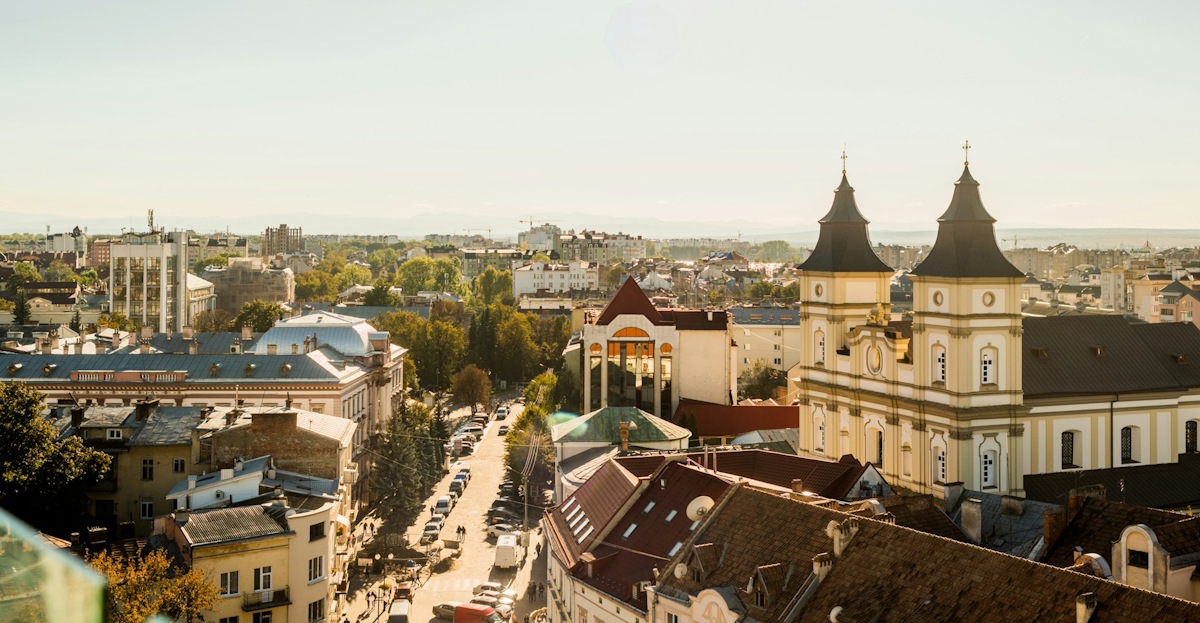
On 18 September 2026, Ukrainian President Volodymyr Zelensky officially inaugurated the “Carpathian Eight,” a regional cooperation initiative aimed at strengthening connectivity across the countries of the Carpathian Basin. The project, which had already been announced in August, seeks to diversify the economy of this relatively rural region, which spans eight countries: Ukraine, Poland, Slovakia, Czechia, Austria, Serbia, Hungary and Romania. Through this initiative, the Carpathians could become a new logistics and economic hub in Central Europe.
A Priority for Ukraine
By proposing this initiative, President Zelensky seeks to strengthen ties between Ukraine and its neighbours and thereby accelerate his country’s integration into the European Union, which remains a priority. To this end, the “Carpathian Eight” initiative is intended to facilitate greater coordination among the Carpathian states in order to develop and finance projects with a regional dimension. At the first “Carpathian Eight” summit, nearly 90 projects were presented, together forming a comprehensive strategy for the region, with a total value of €40 billion, covering the energy, transport, cultural, agricultural and extractive sectors, as well as support for small and medium-sized enterprises. Fifty agreements have already been signed, with a total value exceeding €1 billion. Attracting European private investors to the Carpathian region is a key challenge, as is involving the European Union’s various funding programmes in a regional Carpathian development dynamic.
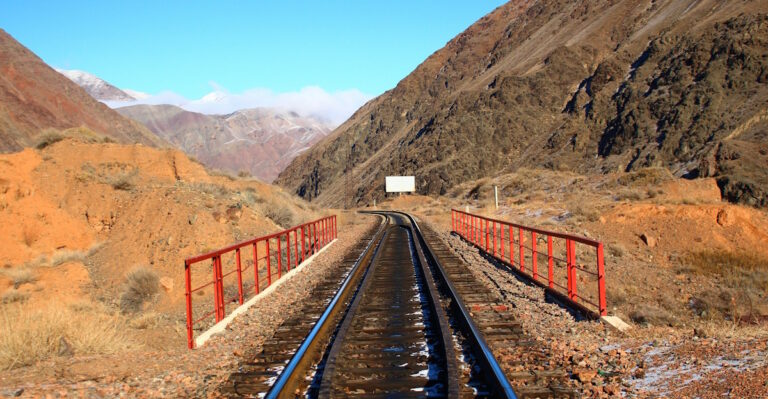
In the short term, however, the programme must primarily strengthen logistics and transport links in the eastern part of the European Union. Since the beginning of Russia’s aggression, Ukraine has been able to withstand the conflict in part thanks to the roads and railways connecting its territory with its EU neighbours. Merchant vessels are regularly targeted by drone attacks in the Black Sea, while Ukrainian ports have been targeted by Russia, which withdrew in July 2023 from the Black Sea Grain Initiative, which had enabled Ukrainian grain exports by sea. For its exports, but also for supplies and military rearmament, Ukraine needs logistics corridors with the European Union. Within this strategy, the Carpathian region plays a key role in ensuring this connectivity.
As the Ukrainian government has highlighted, the initiative is also intended to explore new energy options, including the construction of gas storage facilities, as well as small hydropower and solar plants and hydrogen facilities. These projects could both accelerate the green transition and help ensure the region’s energy security.
Through the “Carpathian Eight,” Kyiv also seeks to strengthen its image among some neighbours that, in the past, had maintained closer ties with Moscow, particularly for energy-related reasons.
Hungary’s Absence?
It can nevertheless be regretted that Hungary initially refrained from joining the initiative. Although Budapest was cordially invited, Hungarian Prime Minister Péter Magyar informed Parliament that he rejected the offer put forward by Kyiv.
The main reason for this initial refusal stems from a disagreement between Hungary and Ukraine over energy. Budapest remains heavily dependent on Russian energy, importing 75% of its natural gas and 90% of its oil from Russia. While Russian natural gas imports are expected to decline sharply by autumn 2027, this is not the case for oil, due to infrastructure constraints. A memorandum of understanding has been signed between MOL, Hungary’s oil and gas giant, and Naftogaz concerning the construction of an oil-product storage facility on the Hungarian side of the border between Hungary and Ukraine.
Although relations between Budapest and Brussels have improved considerably since Viktor Orbán’s departure, relations between Hungary and Ukraine still need to improve under Prime Minister Péter Magyar.
However, on 25 September, Hungarian Foreign Minister Anita Oran stated that her country could join the initiative led by Kyiv following negotiations, provided that the “Carpathian Eight” protected Hungary’s interests. The door therefore remains open.
A Community of Shared Destiny
While the “Carpathian Eight” initiative places strong emphasis on investment, it also aims to strengthen exchanges between the different communities living in the region. For Kyiv, it is crucial that Poles, Czechs, Slovaks, Hungarians, Serbs, Romanians and Austrians continue to support Ukraine in the face of Russia. The development of joint cross-border projects should help ensure this support for Ukraine.