by Fareena HABIB
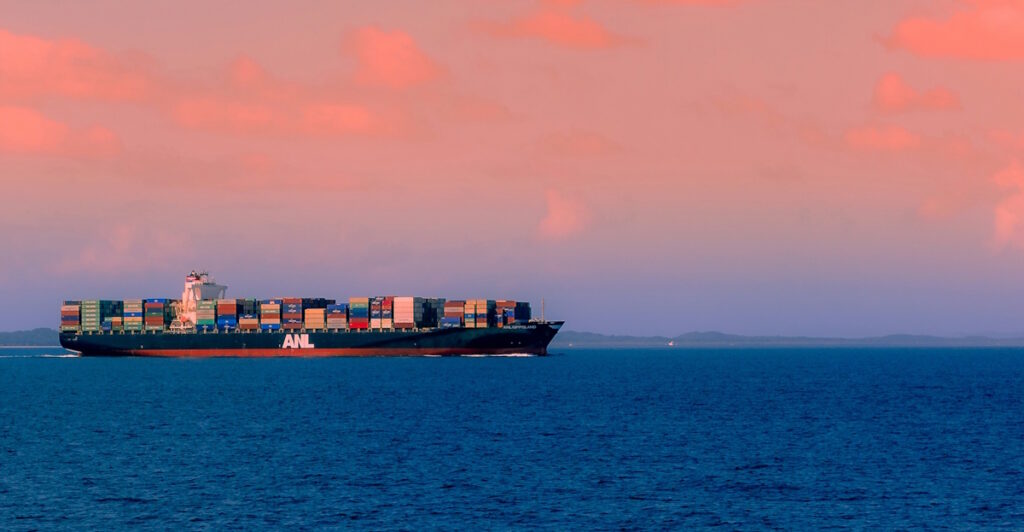
The economic ties between Pakistan and China reached their zenith, especially on 18 September, when both countries formalized their commitment to enhance their maritime cooperation through the signing of a pivotal agreement under the five-year Maritime Action Plan for 2025-2029. This landmark agreement catalyses the development of the ambitious China-Gwadar-Africa shipping corridor, which aims to streamline trade and transportation routes across key regions.
The corridor aims to provide five strategically designed feeder routes, intended to facilitate efficient maritime connectivity and bolster economic ties between the two countries. These foundational steps promise not only to strengthen the logistical links but also to foster greater economic integration, promote regional trade, and enhance mutual prosperity. As Pakistan and China continue to collaborate on this maritime venture, the partnership’s potential for transforming trade dynamics in the region is immense, signaling a new era of collaboration in international shipping and trade.
The Gwadar Port, under the umbrella of China–Gwadar–Africa Corridor, a strategic economic initiative aimed at restructuring regional trade flows and optimizing resource allocation through maritime connectivity, is being positioned as a “Green Port” with bonded warehouses and feeder shipping routes. This infrastructure investment represents a classic case of capital deepening, where improvements in logistics and transport capacity are expected to lower transaction costs, enhance efficiency, and stimulate trade volumes across Asia and Africa. Capital deepening in maritime corridors refers to investment in modernised ports and technological advancements, which leads to attracting Foreign Direct Investment (FDI) and enhanced connectivity and efficiency. Infrastructure will be developed to create short routes linking Gwadar with the Islamabad-Türkiye-Iran rail and road corridors. The Green Port model is projected to contribute 30% to Gwadar district’s GDP by 2027, positioning Gwadar as a regional trade and logistics centre.
The question at hand is whether the China-Gwadar-Africa collaboration represents a viable pathway toward economic prosperity. In a pragmatic initiative, both nations are embarking on a significant project aimed at enhancing local capabilities through the establishment of blue economy training programs. These programs, set to take place at the Gwadar Blue Economy Centre, will offer specialized training in aquaculture, fisheries, and logistics to over a thousand local individuals. According to the latest data released by the Pakistan Bureau of Statistics the unemployment rate of Pakistan climbs to 7.1%. This hands-on approach not only aims to equip participants with valuable skills but also seeks to address the pressing issue of unemployment in Pakistan. By creating approximately 25,000 new jobs, this initiative holds the promise of revitalizing the local economy and fostering sustainable development in the region.
During talks in Beijing on September 4, 2025, Muhammad Junaid Anwar Chaudhry, Federal Minister for Maritime Affairs, and senior Chinese company officials, including representatives from Shandong Xinxu Group Corporation, discussed the efforts to boost cooperation in port development, shipbuilding, and ship recycling, as well as the blue economy. The initiative will provide the Pakistan National Shipping Corporation (PNSC) with the opportunity to significantly enhance and diversify its fleet, enabling the organization to better meet the growing demands of maritime trade and transportation.
The corridor embodies the principles of the Blue Economy, which emphasizes sustainable utilization of marine resources as a driver of growth. Pakistan’s solicitation of Chinese investment in shipbuilding, seafood exports, maritime tourism, and maritime logistics reflects an effort to diversify its industrial base and capture comparative advantages in ocean-based industries. The proposed Integrated Maritime Industrial Complex can be interpreted as an attempt to generate economies of scale, while renewable energy adoption and green shipping practices align with global trends toward internalizing environmental externalities. Foreign trade and investment a key for Pakistan to escape a prolonged macroeconomic crisis that has put a strain on its fragile economy.
The African dimension introduces significant trade creation effects. By reducing reliance on longer maritime routes, the corridor lowers opportunity costs for African exporters and importers, thereby improving terms of trade. African economies gain access to Asian markets for agricultural commodities, minerals, and manufactured goods, while Pakistan and China secure new outlets for industrial and technological exports. This reciprocal exchange enhances economic diversification and strengthens South–South cooperation, contributing to a more balanced distribution of global trade flows.
Nevertheless, the corridor’s success hinges on overcoming structural constraints. Infrastructure readiness is critical, as incomplete port facilities or rail networks could generate bottlenecks and diminish expected returns on investment. Environmental safeguards must be enforced to prevent negative externalities such as overfishing or marine degradation. Additionally, geopolitical sensitivities may introduce uncertainty, potentially affecting investment flows and trade stability.
In a nutshell, China–Gwadar–Africa Corridor represents a strategic investment in connectivity, sustainability, and market diversification. The officials of Pakistan Maritime Affairs set a goal of increasing its merchant fleet share from 12% to 30% by 2047, thereby expanding Gwadar Port’s capacity as a regional trade hub. By positioning Gwadar as a green maritime hub, Pakistan and China aim to maximize welfare gains through reduced trade costs, expanded market access, and sustainable resource management, thereby embedding the Blue Economy into the broader framework of global economic integration.