
Rare Earths and the Shifting Balance of Global Trade
China’s new rare earth policy signals strategic protection rather than confrontation, reflecting a cautious rebalancing of global trade.

China’s new rare earth policy signals strategic protection rather than confrontation, reflecting a cautious rebalancing of global trade.
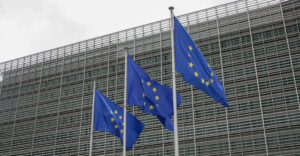
Europe seeks greater independence amid a strained transatlantic alliance, but struggles to translate its independence into concrete action.
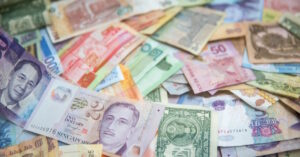
The global monetary system is undergoing a cautious shift from U.S. dollar dominance toward a more pluralistic currency order.

Dollar-backed stablecoins threaten the monetary sovereignty of Europe and the Global South by reinforcing U.S. financial dominance.

As the United States imposes sweeping tariffs on 14 countries, this unilateral move threatens global economic stability.

The U.S. dollar’s status as the world’s primary reserve currency is being challenged by growing distrust and structural inefficiencies.

The new unilateral U.S. tariff measures are weakening developing economies, undermining the fairness of global trade.

The recent Geneva talks between China and the United States marked a significant de-escalation in trade tensions.

In response to U.S. tariffs, France is pursuing a strategic approach combining European cooperation, and a pivot toward Asia.

China is establishing itself as a global scientific powerhouse, surpassing the United States in the number of top research institutions.