
The Geopolitics of Economic Sanctions: Effectiveness and Consequences
Economic sanctions have become a central tool of modern diplomacy, but their effectiveness remains limited.

Economic sanctions have become a central tool of modern diplomacy, but their effectiveness remains limited.
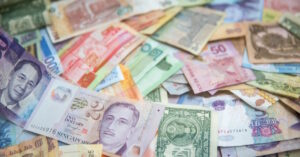
The global monetary system is undergoing a cautious shift from U.S. dollar dominance toward a more pluralistic currency order.

By weaponizing the dollar, the US strengthens its leverage but risks undermining the global trust that sustains the dollar’s dominance.

Pakistan stands at a turning point where it must shift from relying on singular partnerships like China’s to engaging with diverse investors.

The SCO Summit symbolized a pivotal moment in China’s effort to reshape global governance by presenting a unified vision of cooperation.
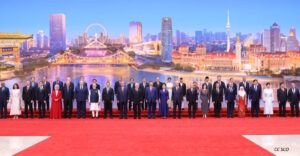
The SCO Tianjin Summit highlighted China’s push for a multipolar world through cooperation, in spite of internal conflicts among members.

Amid rising U.S. protectionism, both India and China are facing economic pressures that could create opportunities for cooperation.

Dollar-backed stablecoins threaten the monetary sovereignty of Europe and the Global South by reinforcing U.S. financial dominance.

China’s construction of the world’s largest hydropower dam on the Brahmaputra raises serious concerns for India and Bangladesh.

As the United States imposes sweeping tariffs on 14 countries, this unilateral move threatens global economic stability.