by Abraiz Ali AHMAD
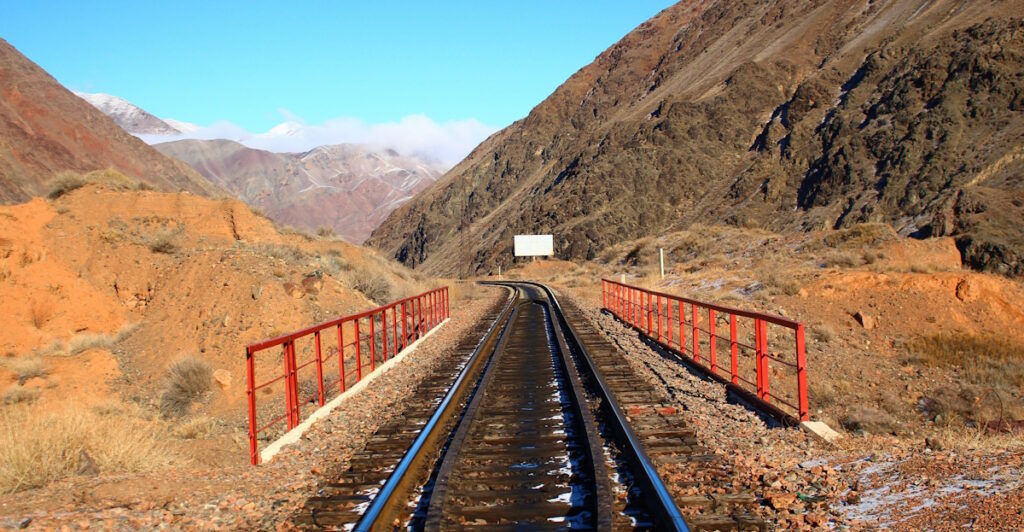
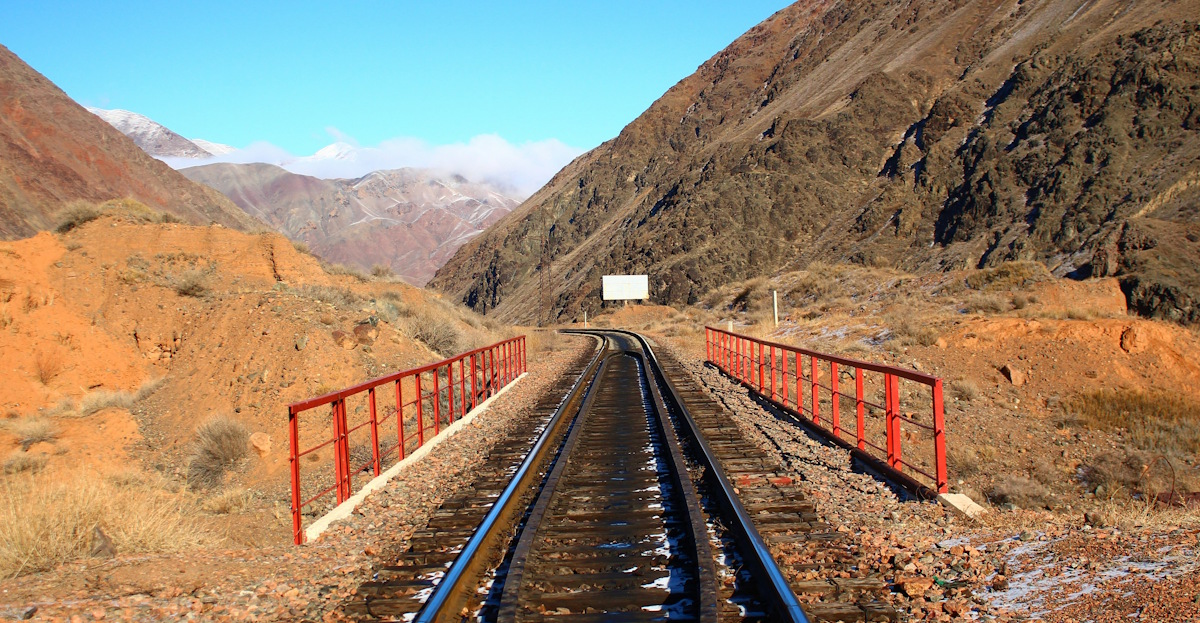
On 26 August Kyrgyzstan announced the plans of establishing a logistics and transport center in Xi’an. Cargo connections between Xi’an, Kashgar, and Osh, even though the railway is not yet completed. For nearly thirty years the CKU was mainly seen as a construction project, but that phase is ending. Construction continues on the Kyrgyz section, covering 304.84 kilometres through difficult mountains. The issue is no longer whether the railway will be built but who will control and benefit from it once completed.
This is important because the existence of a railway does not mean all parties will gain equally. Owning a share does not guarantee the highest profits. Most revenue comes from cargo charges, logistics, warehousing, customs, industrial zones, financing, and links with other transport networks. If Kyrgyzstan and Uzbekistan serve only as transit points for Chinese goods, the CKU may improve their standing but not their economies. To gain real benefits, they need greater control over railway services, direct transit to local production, and stronger bargaining power.
The data show that China owns 51 per cent, whereas both Kyrgyzstan and Uzbekistan have 24.5 per cent. Chinese policy banks are financing half of the estimated $4.7 billion required for the project, the other half coming from the company’s equity. The project is not one that is built and then handed over; rather, it is a joint company operated by all three countries with China as the largest shareholder. Although the arrangement is not necessarily exploitative since China is in charge of most of the financing and construction and Kyrgyzstan thus acquires infrastructure that it could not have afforded on its own, China’s ownership does give it influence so that the railway’s design, technology and funding are closely linked to China. The idea of regional connectivity is only important if the countries agree on what goods are to pass through the railway, at what price and which businesses are to benefit. Beyond its economic value, the China–Kyrgyzstan–Uzbekistan railway carries wider geopolitical significance for Central Asia. By creating a direct rail connection between China and Central Asia, the project could reduce the region’s dependence on traditional northward routes and strengthen China’s role in shaping Eurasian connectivity. For Kyrgyzstan and Uzbekistan, the railway offers an opportunity to diversify trade routes and deepen their integration with regional markets. Its strategic importance therefore extends beyond faster freight movement: the CKU could gradually reshape the balance of connectivity across Central Asia and reinforce the region’s position as a bridge between China, Central Asia and Europe.
Kyrgyzstan should not measure the success of the project solely on the basis of transit fees, since this would be too narrow. Rather, the corridor should take on the role of an economic platform, with the various stations serving as centers for storage, the processing of agricultural products, customs operations, and small-scale manufacturing. Local businesses should be involved in constructing, maintaining and supporting the logistics system. Otherwise, the railway might go through Kyrgyzstan without bringing significant benefits to the country. In order for Kyrgyzstan to genuinely become a transit country, it will need to develop other routes, improve its local logistics and acquire the necessary business skills prior to the opening of the railway. For Uzbekistan as well, merely being part of the rail network does not ensure that it will achieve economic benefits. If goods simply proceed on to other markets, then Tashkent will gain very little. To correct this, Uzbekistan should establish logistics hubs, warehouses and industrial clusters so as to turn the freight traffic into local business. Uzbek producers should have equal access to the corridor so that they can ship cotton, textiles and manufactured goods in both directions, and not just act as an export route for China. After construction, the three countries must agree on the freight rates, the capacity, the schedules, access to the terminals, the customs procedures and the method of settling disputes. These decisions will determine who benefits the most. Before the corridor opens, China, Kyrgyzstan and Uzbekistan should set up clear and public rules to make sure that access is fair, competition is maintained and revenue is shared transparently.
If Uzbekistan and Kyrgyzstan cooperate, then they might be able to improve their situation. Although each of them has less bargaining power than China, together they could establish tariffs and customs regulations. As the railway passes through three countries, it should be jointly managed. The purpose of the CKU is to reduce dependence on the existing transport routes and to introduce new funds, technology, and business opportunities. That said, there is a risk of becoming too dependent on one country. The answer is not to turn down Chinese investment, since the project has been successful because all three governments have shared the costs and ownership. Rather, as work on the project begins, they should invite Central Asian companies, international logistics companies, and other investors to take part and help in creating links with the Caspian Sea, South Asia, and further afield. This will help ensure that the corridor is not merely a one-way route from China to Central Asia. The key problem is economic control. China will have the largest share, provide the majority of the funding, and be in charge of the construction, so Kyrgyzstan and Uzbekistan should not obstruct China. Instead, they should concentrate on developing their own logistics, industry, customs systems, clear rules, and access to other markets.
If the project succeeds, it could transform two landlocked economies by allowing them to take an active role in Eurasian trade; but if the two countries do not use this opportunity, the railway might end up mainly serving the interests of foreign companies. Although the railway links Kashgar and Andijan, the real benefits will still depend on the level of economic activity in the surrounding areas. All stakeholders in Central Asia should take these considerations into account before the railway begins operating.