by Sara NAZIR
When a high-level Turkish energy delegation recently arrived in Islamabad, carrying with it the senior leadership of Turkish Petroleum Corporation (TPAO) and major Turkish mining stakeholders, the visit appeared, at first glance, to be a routine diplomatic engagement between two long-standing partners. In reality, it reflected the formal beginning of an economic and strategic recalibration, one that positions Pakistan not as a passive participant in the global energy order, but as an emerging node in a new, middle-power network built on cooperation rather than dependency.
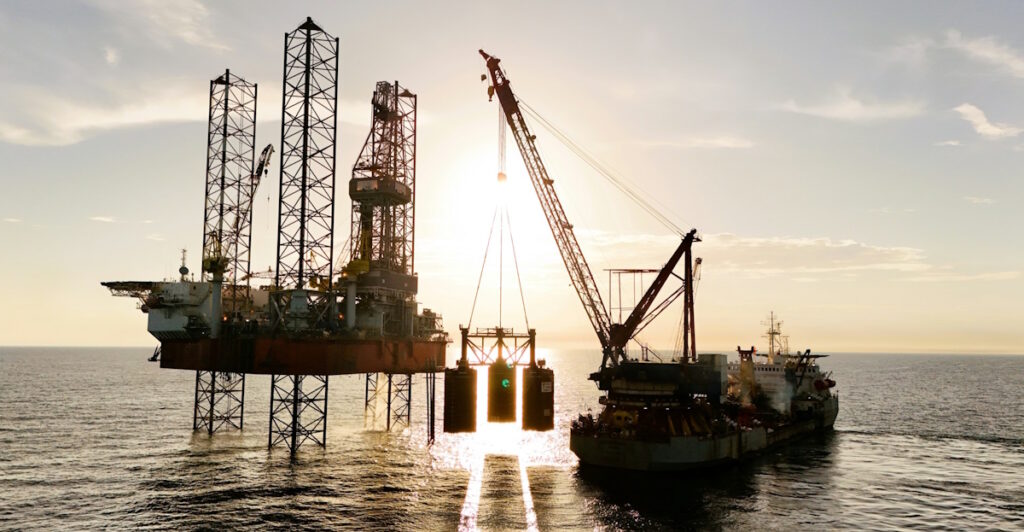
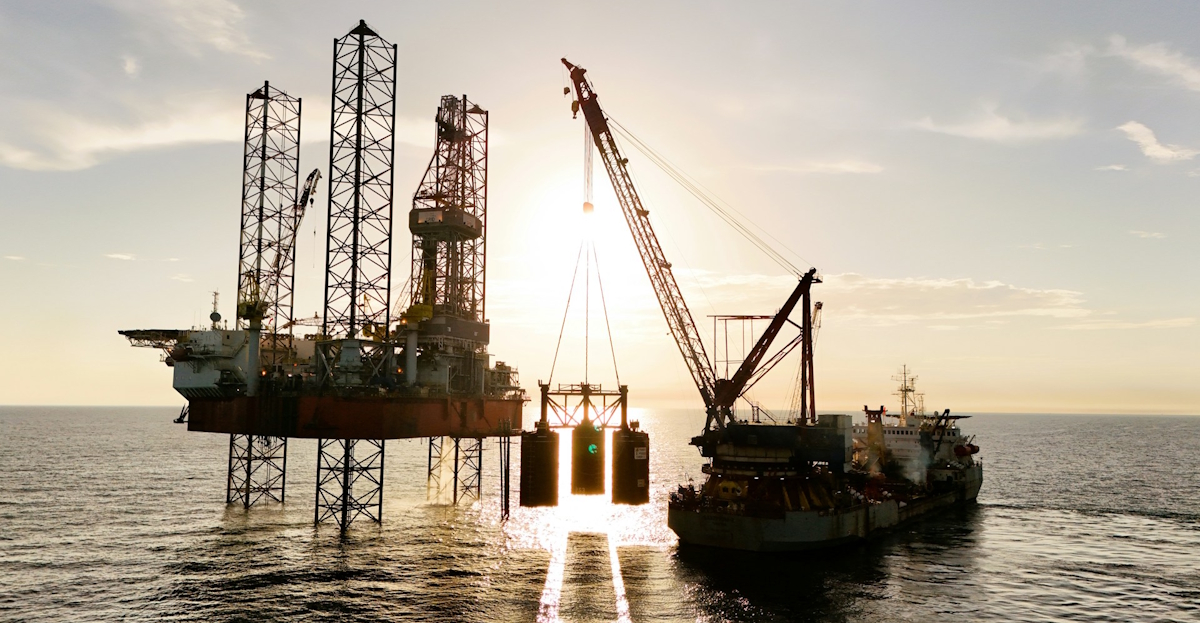
At the core of the discussions lies Pakistan’s first serious move towards deep-sea exploration in partnership with Türkiye. While the technical and commercial dimensions of offshore drilling are significant in themselves, the broader geopolitical implications are far more profound. This initiative places Pakistan for the first time on a path toward systematically developing the extraordinary potential of its maritime domain, an area that has long been underutilized not because of lack of resources, but because of the absence of suitable, sovereign-aligned partners willing to invest in its future.
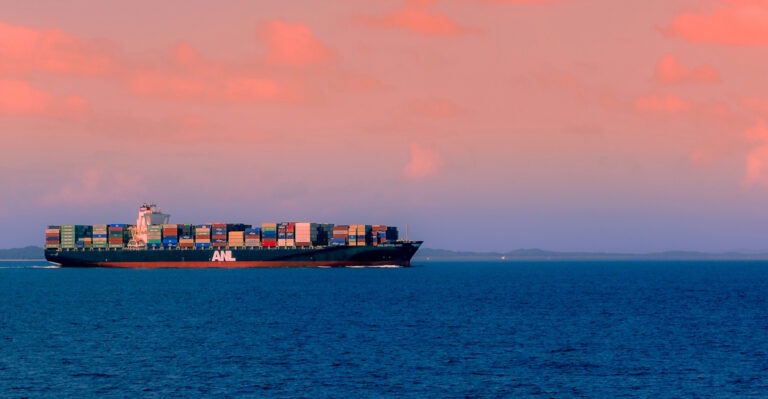
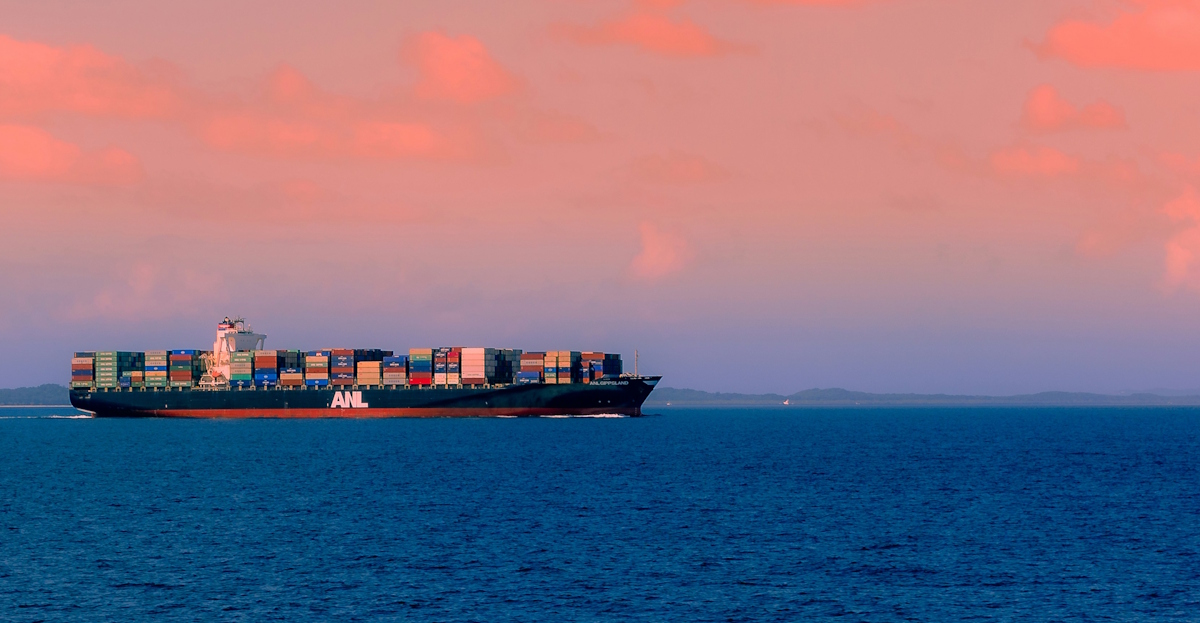
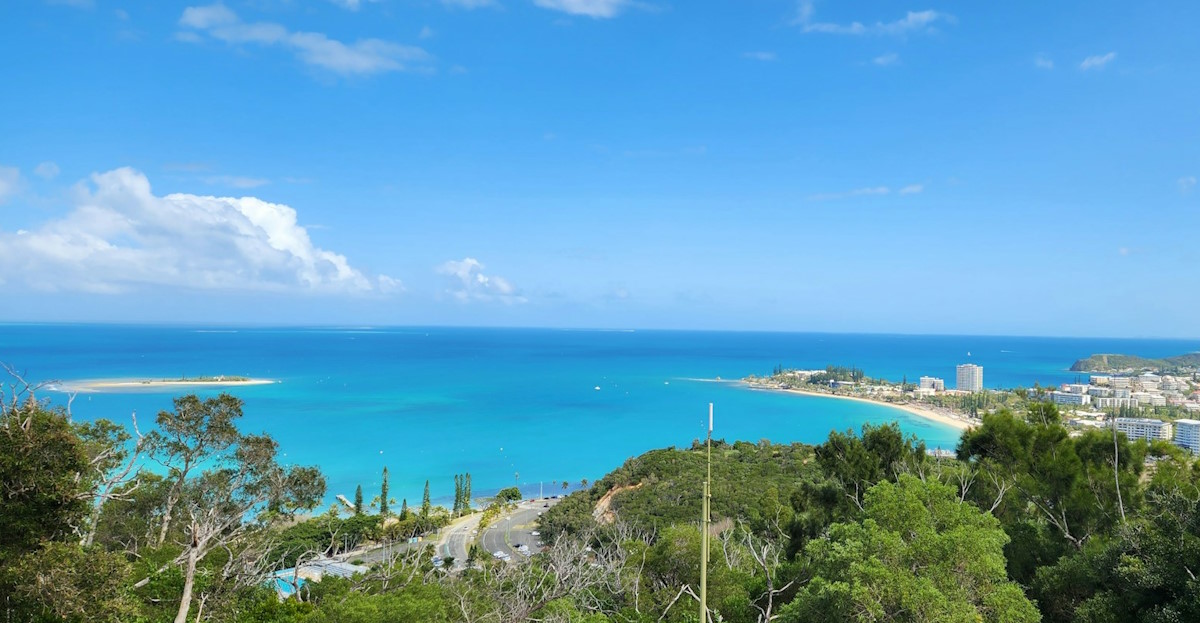
Pakistan’s coastline spans over 1,050 kilometers along the Arabian Sea. Under the United Nations Convention on the Law of the Sea, the country controls an Exclusive Economic Zone extending roughly 240,000 square kilometers. In 2015, Pakistan’s claim to an extended continental shelf was successfully recognized, adding approximately another 50,000 square kilometers to its maritime jurisdiction, bringing its total sea area close to 290,000 square kilometers. This vast maritime space is often referred to as Pakistan’s “fifth province”, containing untapped reserves of hydrocarbons, marine resources, and strategic seabed minerals. Until now, however, this enormous potential has largely remained dormant.
The decision to explore it jointly with Türkiye introduces a powerful new dimension. It reflects what International Relations scholars describe as Complex Interdependence, a system in which states are no longer bound solely by defense alliances, but by overlapping economic, industrial, technological, and environmental interests. Energy, in this framework, is not isolated from trade, manufacturing or diplomacy. Instead, it becomes the anchor for a dense web of cooperation that stabilizes and strengthens relationships across multiple sectors.
Multi-Sector Cooperation Beyond Energy
- Offshore hydrocarbons and maritime development
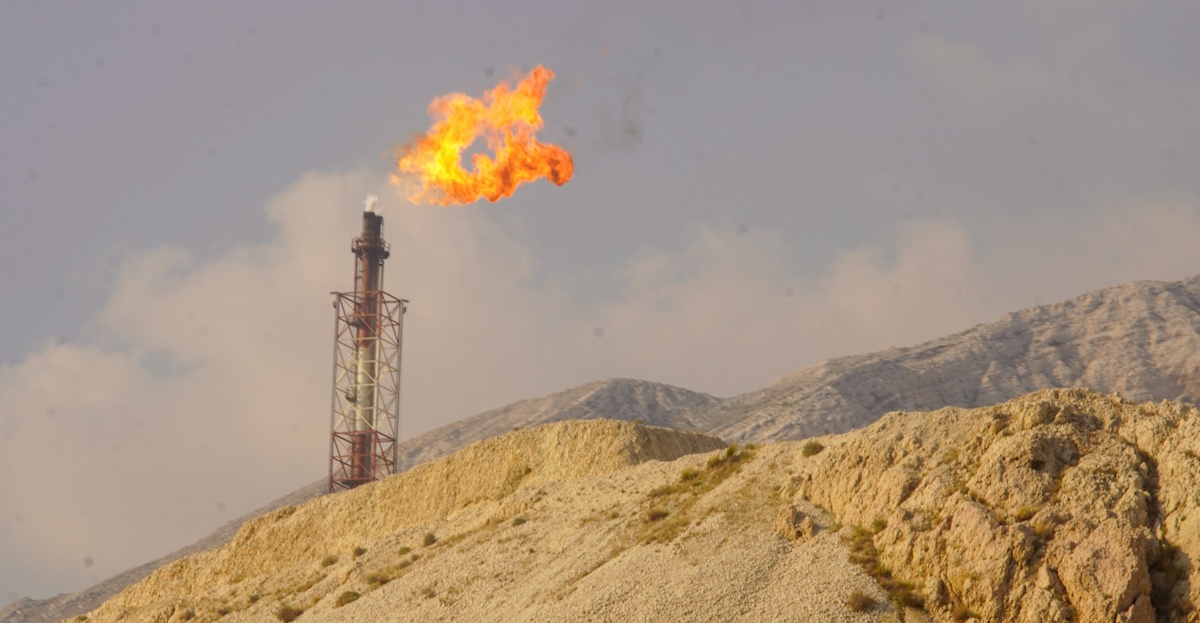
The upcoming collaboration in offshore exploration is expected to enhance Pakistan’s energy security by reducing its long-term dependence on volatile international fuel markets. Domestic energy production would provide greater stability for Pakistan’s power sector, reduce import bills and strengthen the country’s strategic autonomy. Türkiye’s operational experience in offshore environments, from the Black Sea to other emerging zones, makes it a natural and dependable partner in this venture.
- Strategic minerals and future technologies
Alongside deep-sea drilling, both sides are exploring cooperation in Pakistan’s mineral sector, particularly in regions rich in copper, gold and rare-earth elements. These materials are not only valuable in traditional industries but are essential for twenty-first-century technologies such as batteries, electric vehicles, renewable energy systems and advanced electronics. Through collaboration with Türkiye, Pakistan gains the opportunity to move up the value chain, transitioning from raw exportation to processing, refinement and industrial application.
- Manufacturing and value addition
Reliable access to energy and raw materials directly enhances Pakistan’s industrial output. With these foundations in place, Pakistani industries, ranging from textiles and steel to engineering and chemicals, can reduce production costs and increase competitiveness in international markets. Türkiye’s strong manufacturing base and access to European supply chains provide Pakistan with a natural bridge into higher-value markets.
Transit corridors and trade connectivity
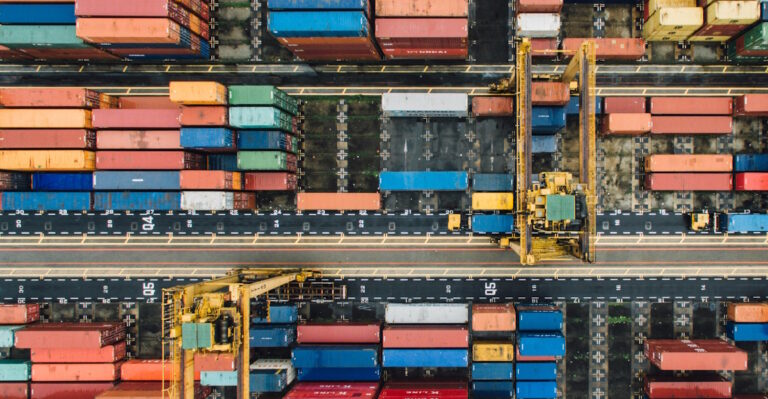
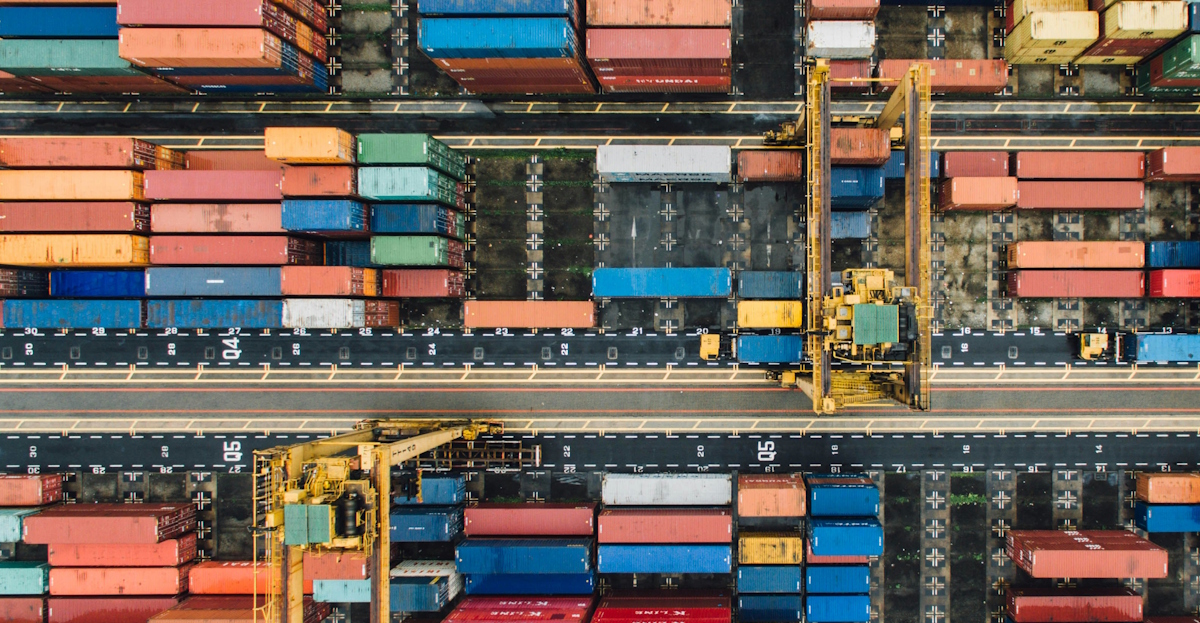
Geographically, Pakistan sits at the crossroads of South Asia, Central Asia and the Middle East, while Türkiye is positioned at the gateway to Europe. The integration of Pakistan’s infrastructure initiatives with Türkiye’s so-called Middle Corridor vision presents a unique opportunity to build a new axis of trade and transit that connects the Indian Ocean to the Caspian region and beyond. In this sense, the partnership is as much about roads, ports and routes as it is about resources.
This growing economic interdependence is already visible in trade figures. In 2024, bilateral trade between Pakistan and Türkiye reached approximately US$1.4 billion, marking a notable increase and indicating strong momentum. Both governments have publicly expressed the ambition to raise this volume to US$5 billion in the near future, a target that increasingly appears attainable as cooperation expands into energy, mining, defense production and industrial manufacturing.
Strategic Autonomy Through Cooperation
From the perspective of Neo-Middle Power Theory, Pakistan’s engagement with Türkiye also signals an important shift in foreign policy behaviour. Rather than aligning itself exclusively with one global bloc, Pakistan is exercising strategic flexibility, cultivating relationships that enhance its autonomy, diversify its economic partners and reduce vulnerabilities. Türkiye’s own foreign policy evolution, increasingly independent and multi-directional, complements this approach.
This partnership is therefore not transactional in nature. It is anchored in historical familiarity, cultural affinity and long-standing diplomatic support, but is now being translated into tangible infrastructure, economic planning and technological transfer. Where earlier eras were defined by symbolic expressions of “brotherhood”, the current phase is defined by institutionalized cooperation and mutual investment in the future.
The deeper meaning of this cooperation lies in the message it sends to the wider international community. At a time when many developing and middle-income nations remain trapped in cycles of dependency or pressured alignments, Pakistan and Türkiye are offering a different model, one based on respect for sovereignty, long-term development planning and shared growth. It is neither anti-global nor isolationist; rather, it is a confident re-entry into the international system on self-determined terms.
A Strategic Opportunity for Pakistan
If successfully implemented, the outcomes for Pakistan will be transformational. Greater energy reliability will strengthen economic planning. New mineral streams will enhance export potential. Closer trade integration will boost industries and employment. And most importantly, Pakistan’s strategic relevance in a multipolar world will deepen, not through confrontation, but through construction and cooperation.
Long after the headlines fade, the true impact of this partnership will be seen in silently operating rigs, in expanded ports, in powered factories, in humming trade routes and in the steady rise of economic indicators. That is how real power is built, patiently, strategically, and with purpose. In the gathering of waves off Pakistan’s coast and the bridges forming between Ankara and Islamabad, one sees not the echo of past alliances, but the blueprint of a modern future. A future where Pakistan is not merely responding to history, but actively shaping it.