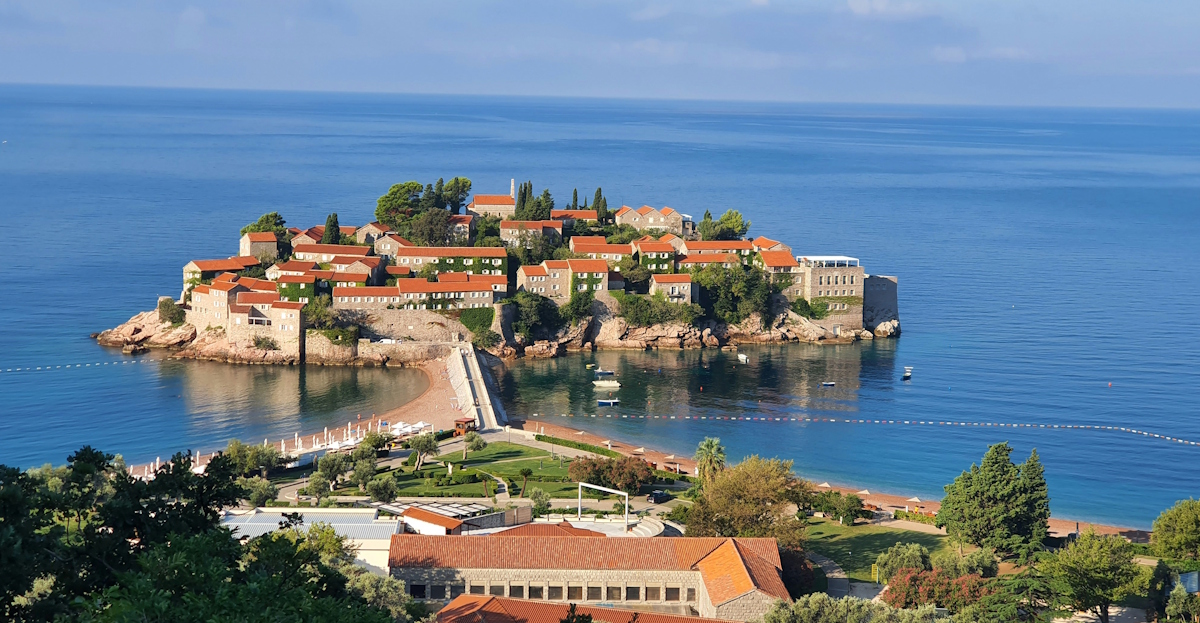
by Sebastien GOULARD
On April 22, the 27 member states of the European Union gave their approval for Montenegro to join the Union. If everything proceeds as planned, Montenegro is expected to become the EU’s next member state by 2028.
A Long Process
To achieve this result, Montenegro has undertaken a lengthy reform process. This small Western Balkan country (13,821 km² and 625,000 inhabitants), independent since 2006, officially submitted its application in 2008, and its candidate status was approved by the European institutions in 2010. That same year, the Stabilisation and Association Agreement between Montenegro and the European Union entered into force. Brussels subsequently provided expertise and financial support to the Western Balkan republic in order to accelerate its integration into the Union.
Montenegro was then required to implement the legislation and standards applied by the European Union, known as the “EU acquis.”
In March 2026, Montenegro closed Chapter 21 (Trans-European Networks) of its negotiations with the European Union. In total, 14 chapters have been closed, while 19 others, currently under review, are expected to be finalized by the end of the year in order to confirm Montenegro’s accession to the European Union in 2028. Potential sticking points notably concern the reform of the judicial system (Chapters 23: “Judiciary and Fundamental Rights”, and chapter 24: “Justice, Freedom and Security”). However, the validation of these chapters remains possible if the Montenegrin government demonstrates a strong political commitment to continuing reforms in this area. Prime Minister Milojko Spajić appears confident in his country’s ability to complete this process on time.
Today, Montenegro is an open economy with a thriving tourism sector accounting for nearly one quarter of its GDP. The country will nevertheless need to diversify its economy and improve the competitiveness of its agricultural sector.
The Euro in Montenegro
Montenegro’s accession to the European Union will also raise the issue of the euro. Today, Montenegro, together with Kosovo, is the only country to have unilaterally adopted the euro as its official currency without meeting the convergence criteria established by the European Central Bank. However, Montenegro is not a member of the Eurozone and therefore cannot issue euro coins or banknotes. The adoption of the euro has provided this young nation with economic stability. Podgorica refuses to adopt a transitional currency. The European Union and Montenegro will therefore need to define a mechanism ensuring the continued use of the euro in the country.
Other Candidates for Accession
Other countries, particularly in the Western Balkans, could also join the European Union relatively quickly, notably Albania. Other candidates include Bosnia and Herzegovina, Georgia, Kosovo, North Macedonia, Moldova, Serbia, Turkey, and of course Ukraine. Furthermore, Iceland will hold a referendum this summer on possible accession to the European Union. It is far from certain that all of these countries will join the Union in the coming years, as this will depend both on their progress and on the political will of the current member states. Moldovan President Maia Sandu has not ruled out the possibility of her country merging with Romania in order to accelerate its accession to the European Union; however, at present, Moldovan society appears to reject this idea.
Joining the EU remains a major objective for many European countries, and this aspiration appears even stronger in the current period of instability.
A Security Issue
For the current member states, there is a security imperative to admit candidate countries into the European Union relatively quickly. Faced with the influence of third powers such as Russia and China, and their attempts at destabilization, the European Union must offer prospects of prosperity to neighboring states likely to join the Union. Otherwise, failed states or states under foreign influence could emerge along its borders, directly threatening Europe’s development.
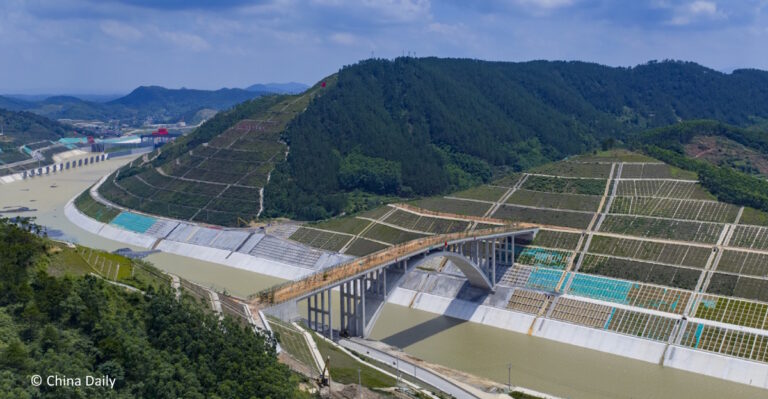
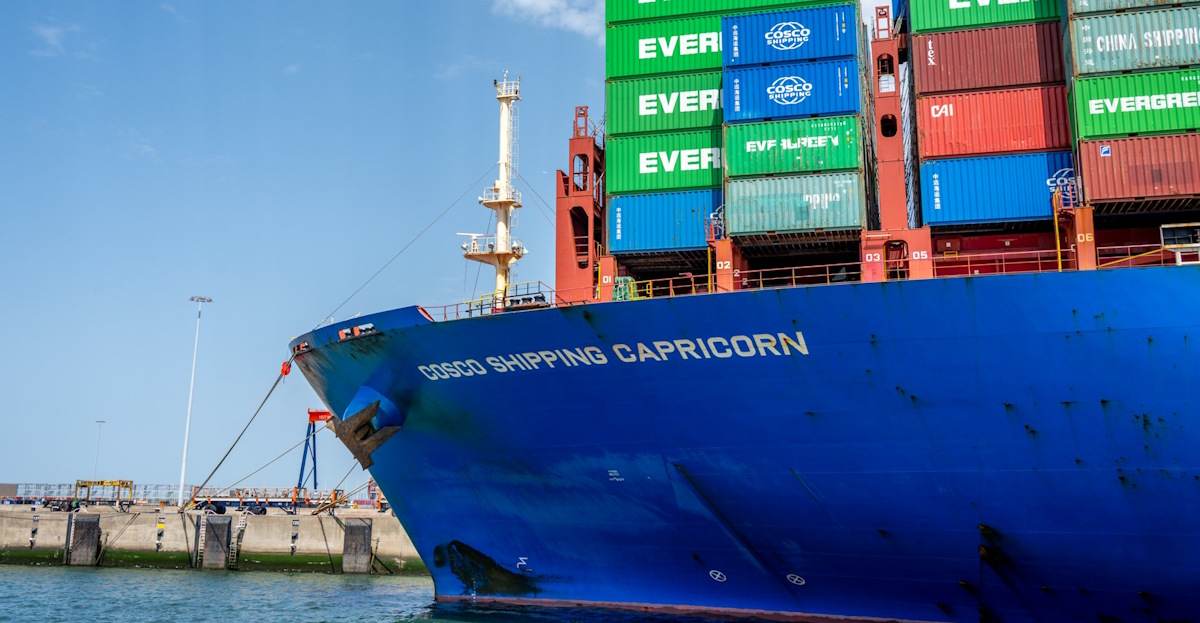
Montenegro is a clear example of this challenge. By joining China’s Belt and Road Initiative in 2014, this small Balkan country significantly increased its dependence on China. Montenegro, which suffered from a major road infrastructure deficit, accepted a loan of nearly one billion dollars from the Export-Import Bank of China for the construction, by a Chinese company, of a 42-kilometer motorway linking the capital Podgorica to the Adriatic coastal city of Bar. The project had not been considered economically viable by European institutions, which refused to finance it, prompting the Montenegrin government to turn to China instead.
However, the project experienced delays, while Montenegro’s small economy struggled to repay the loan. In the event of default, the country could have been forced to cede part of its territory to its Chinese creditors. Such an arrangement was deemed unacceptable by both the European Union and the United States, leading Montenegro to secure financing from American and French banks.
By joining the European Union, Montenegro will become less exposed to external threats.
Montenegro is expected to join the European Union in 2028 and is likely to be followed by other economically fragile states in the coming years. The challenge for European institutions will be to integrate these new members while adopting more effective governance mechanisms.