by Sara NAZIR
The recent meeting between Turkmenistan’s Foreign Minister Rashid Meredov and Pakistan’s Ambassador to Ashgabat, Faryal Leghari, marks more than a routine diplomatic exchange. It signals the quiet but steady maturation of a relationship that holds significant strategic promise for Pakistan in 2026 and beyond. As preparations advance for the sixth session of the Turkmenistan-Pakistan Intergovernmental Commission on Economic Cooperation and a forthcoming business forum, Islamabad finds itself well positioned to translate diplomacy into durable geopolitical and economic gains.
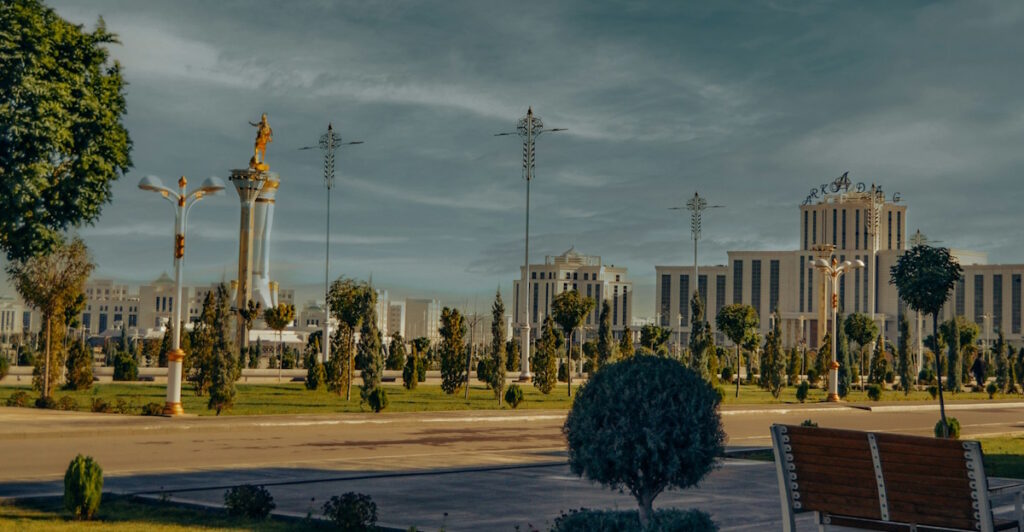
For Pakistan, engagement with Turkmenistan is not merely bilateral. It is intrinsically regional. Turkmenistan sits at the heart of Central Asia, endowed with some of the world’s largest natural gas reserves and strategically located at the crossroads between East, West, South, and North Asia. Deepening ties with Ashgabat strengthens Pakistan’s long standing objective of becoming a hub for regional connectivity linking Central Asia to warm water ports and global markets.
Energy Security at the Core
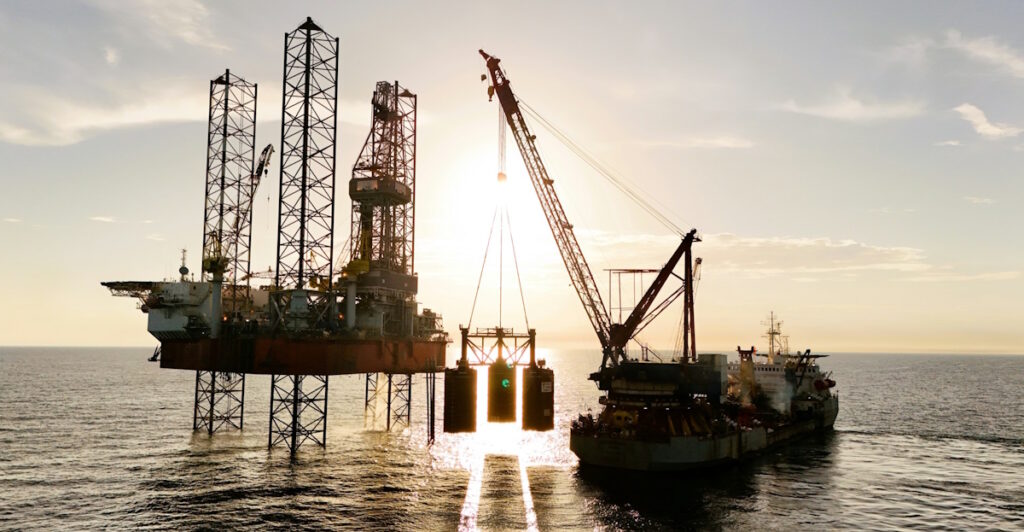
At the strategic level, energy cooperation remains the cornerstone of Pakistan-Turkmenistan relations. Turkmenistan’s vast gas reserves offer Pakistan a long term solution to its chronic energy shortages, which continue to constrain industrial growth and economic stability. While projects such as the Turkmenistan-Afghanistan-Pakistan-India gas pipeline have faced delays, sustained diplomatic engagement such as the discussions now underway keeps these strategic ambitions alive.
The renewed focus on intergovernmental coordination in 2026 is significant. It reflects a shared recognition that regional energy integration cannot be postponed indefinitely. For Pakistan, sustained engagement with Turkmenistan strengthens its bargaining position, diversifies its energy options, and reduces overreliance on volatile spot LNG markets.
Economic Diplomacy and Trade Expansion
Beyond energy, the upcoming Turkmenistan-Pakistan Business Forum signals a welcome shift toward pragmatic economic diplomacy. Pakistan’s exporters, particularly in pharmaceuticals, textiles, agricultural products, and light engineering, stand to gain from improved access to Central Asian markets. Turkmenistan, in turn, benefits from Pakistan’s ports, logistics infrastructure, and access to South Asian and Middle Eastern markets.
The review of bilateral agreements slated for signing later this year underscores Pakistan’s intent to institutionalize cooperation rather than rely on ad hoc engagements. Such agreements provide predictability, encourage private sector confidence, and help insulate economic ties from regional political turbulence.
Strategic Connectivity and Regional Influence
Pakistan’s engagement with Turkmenistan also carries broader geopolitical implications. As global power competition intensifies and regional blocs realign, Islamabad’s outreach to Central Asia enhances its strategic autonomy. Strengthening ties with Turkmenistan complements Pakistan’s existing relationships with China, the Gulf states, and Russia, positioning the country as a bridge rather than a bystander in Eurasian geopolitics.
Moreover, cooperation with a neutral and diplomatically balanced state like Turkmenistan aligns well with Pakistan’s desire for stability in its extended neighborhood. High level state visits currently under discussion provide an opportunity for Islamabad to project consistency, reliability, and long term commitment, qualities that regional partners increasingly value.
Diplomacy in a Challenging Neighborhood
The significance of this engagement is amplified by regional realities. Afghanistan’s uncertain trajectory continues to complicate South-Central Asian connectivity. Yet Pakistan’s sustained dialogue with Turkmenistan demonstrates strategic patience and foresight. Rather than retreating from regional ambitions, Islamabad is reinforcing diplomatic channels and preparing for conditions when connectivity initiatives can move forward more decisively.
This approach also enhances Pakistan’s diplomatic standing. By emphasizing economic cooperation, business engagement, and institutional frameworks, Pakistan presents itself as a constructive regional actor focused on development rather than disruption.
The Way Forward
The challenge for Pakistan now is execution. Diplomatic momentum must be matched by inter ministerial coordination, private sector mobilization, and sustained political will. The sixth session of the Intergovernmental Commission should be treated not as a ceremonial event, but as a platform for measurable outcomes, clear timelines, sector specific targets, and follow up mechanisms.
In 2026, Pakistan has an opportunity to move its relationship with Turkmenistan from potential to performance. The groundwork being laid today through high level consultations, business forums, and bilateral agreements can help Pakistan secure energy, expand trade, and reinforce its role as a regional connector.
In a region often defined by missed opportunities, Pakistan’s deepening engagement with Turkmenistan stands out as a strategic opening worth seizing and sustaining.