by Nimra KHALIL
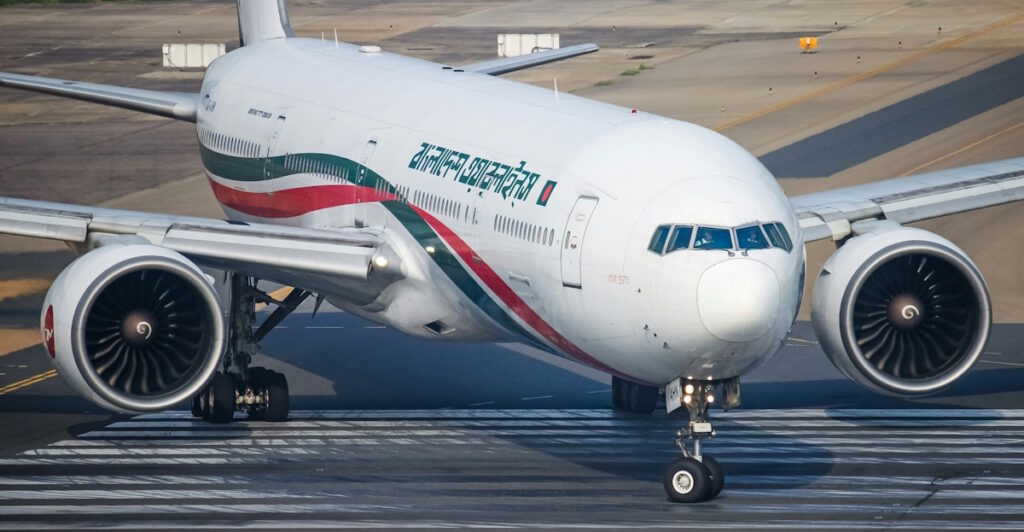
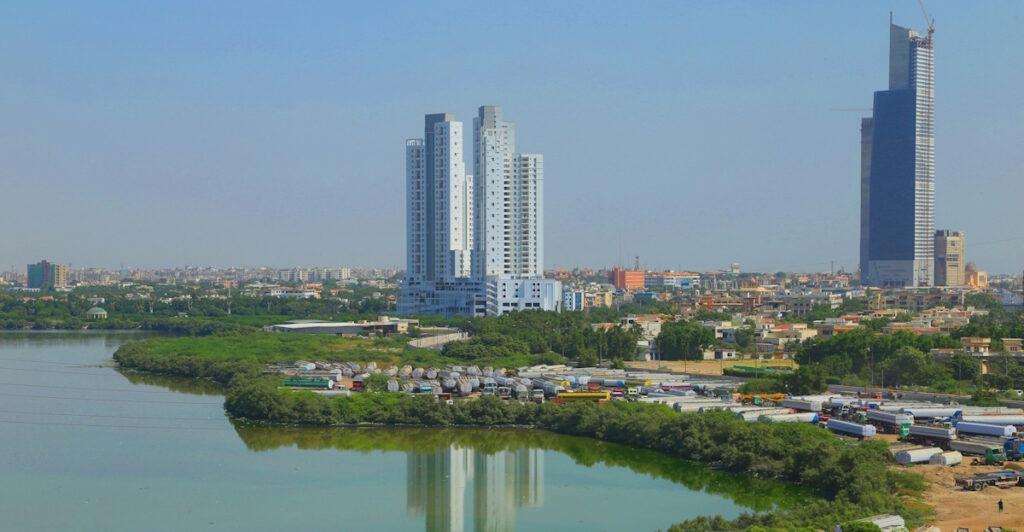
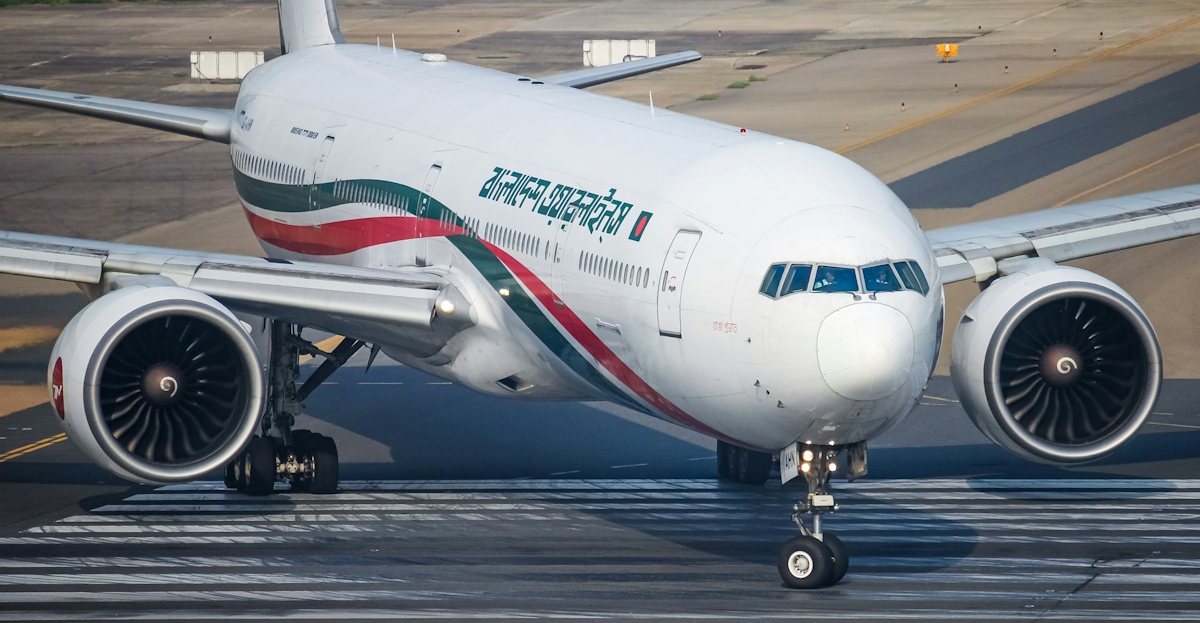
On January 29, 2026, direct flights between Bangladesh and Pakistan were reinstated after a 14-year break in a historic move that marked the renewal of friendship and cooperation between the two countries. About 138 passengers on board the Biman Bangladesh Airlines BG-341 took off at Hazrat Shahjalal International Airport in Dhaka at approximately 8:15 p. m. local time and landed in Karachi at Jinnah International Airport at 11:03 p. m. where it was received with a water cannon salute. This event not only contributes to the geographical barrier’s reduction, but also it is a new dawn of more bilateral relations, economic growth and cultural exchange between two nations with the common history and sharing the same dreams.
Reopening of these flights is a significant move towards the transformation of the relationship between Bangladesh and Pakistan. In 2012, when the former Bangladeshi Prime Minister Sheikh Hasina was in power, direct air connectivity was cancelled mainly on security reasons as a result of the existence of historical tensions that remained in place as a result of the independence of Bangladesh in 1971. However, in August 2024 the political landscape was transformed radically with Hasina ousted following a student-led uprising, paving the way to an interim government that would be more open to regional reconciliation. The present Pakistani leadership has been eager in warmer relations and Bangladesh has been viewed as one of the key partners in the Muslim majority bloc of South Asia. The highest level of diplomatic activities, including the visit of the Deputy Prime Minister of Pakistan, Ishaq Dar, to Dhaka in August 2025, have contributed to this thaw, and aviation resumption talks have resumed.
The first flight was in itself a demonstration of the zeal on both ends which received water cannon salute from the Pakistan Airports Authority (PAA), who called it a “new chapter” in bilateral relations. The non-stop flight, which is operated by a 162-seat Boeing 737 aircraft, takes about three hours to cover a distance of about 1,471 miles, which is a tremendous improvement to the previous requirement of making a stopover in the Gulf hubs such as Dubai or Doha which took hours and money to reach. The national carrier, Biman Bangladesh Airlines has planned the route between Dhaka and Karachi to be flown twice a week, on the days of the week, Thursday and Saturday, under the winter schedule, which may be extended depending on the demand. Bangladesh Civil Aviation and Tourism Adviser Sheikh Bashiruddin and Pakistan High Commissioner to Bangladesh, Imran Haider among other dignitaries attended the flight off in Dhaka, which underscores the high level of commitment to this initiative. On arrival at Karachi, Sindh Governor Kamran Tessori received the passengers and pointed out that this connectivity would not only enhance cooperation in aviation sector but also in other sectors to enhance economic and social integration.
This is not just a logistical convenience but a stimulus to multifaceted progress. The direct flights will also boost trade between the two economically as the two countries have complementary advantages, with Pakistan textile and pharmaceutical industries complementing the garment exports of Bangladesh and the nascent technology industry. Trade between the two countries, which is currently worth approximately $800 million per year, may increase significantly as the time spent traveling between the two countries is minimized, and businesses meet, form joint ventures, and integrate supply chains. Tourism will also be a great beneficiary. Pakistan with its beautiful scenery, Karakoram mountains, ancient sites such as Mohenjo-Daro and Bangladesh with its colorful deltas and cultural festivals will be more accessible to encourage cross border tourism and people to people relations. Sheikh Bashiruddin noted this possibility, saying that the route will improve connectivity, boost tourism, and improve people-to-people connections, which was also shared by passengers on the flight who were delighted by the fact that they could now access family and opportunities in other countries directly.
Another source of light is education and cultural exchanges. Pakistan has offered 500 scholarships to Bangladeshi students and training opportunities to 100 civil servants, and Bangladesh has relaxed visa regulations to Pakistani officials. Such efforts, enhanced by the increased mobility, would produce a new generation of leaders fluent in the society of one another, who would use the common Islamic heritage and language connections to create a goodwill that would last. This is a relief and an excitement to people who are separated by borders but have shared roots, as one of the professors who is a passenger in a video interview remarked, saying that he is so happy today… going directly by plane.
Regionally, this revival is in line with the wider South Asian trends, whereby, enhanced Pakistan-Bangladesh relations will offset the effects of other larger neighbours and bring stability. According to the analysts, in case of demand boom, more routes, maybe to Lahore or Islamabad, may be introduced, further uniting the two economies into the global networks.
Challenges remain, such as ensuring sustained political will and addressing any residual historical sensitivities, but the overwhelming positivity surrounding this launch indicates a forward trajectory. The Pakistan Airports Authority described it as “a new chapter in Pakistan-Bangladesh friendship,” a fitting summary of an event that transcends aviation.
The reinstatement of direct flights between Pakistan and Bangladesh is a ray of hope in the region as far as harmony and prosperity is concerned. These countries are not only opening up skies but bridging gaps of trust, trade and culture. With South Asia struggling with global uncertainties, these joint efforts are a good example of how a common vision can drive common progress. As the momentum gains, it might become a pattern of reconciliation that would benefit millions of people and encourage other efforts in the region.