
by Ayesha RAFIQ
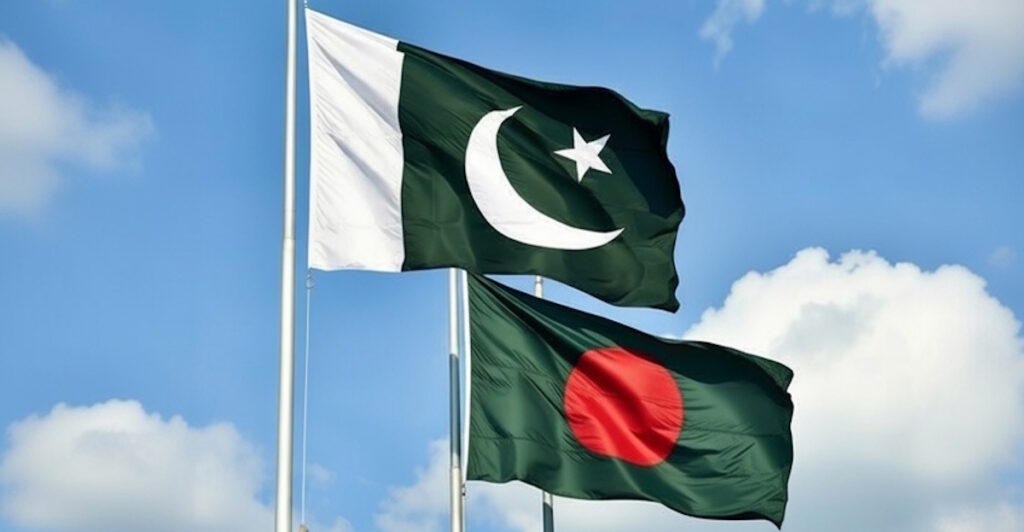
In an important change of speech in diplomatic rhetoric, the Foreign Minister of Pakistan, Ishaq Dar, has recently referred to 2025 as a turning point of the Pak-Bangladesh relations and has projected it as a major ice-breaker. Dar called Bangladesh a brotherly country and hoped that the bilateral relations would be improved in the near future especially following the upcoming elections in the two countries. It is a departure of the more tense era of the previous government in Bangladesh which has governed the country under the Survener rule of Sheikh Hasina, which has had a much more distant policy line in dealing with Pakistan.
A New Chapter in Bilateral Relations
The comments of Dar are the indication of a new chapter in the bilateral relations between Pakistan and Bangladesh. Dar made a goodwill gesture by calling Bangladesh as brothers, which also meant that Pakistan was interested in actively working with Bangladesh in the future. This change of tone follows a great deal of diplomatic detachment. The trip of Dar to Dhaka in August (the first foreign minister to visit Bangladesh in 13 years) is regarded as a positive move towards restoring the relationship.
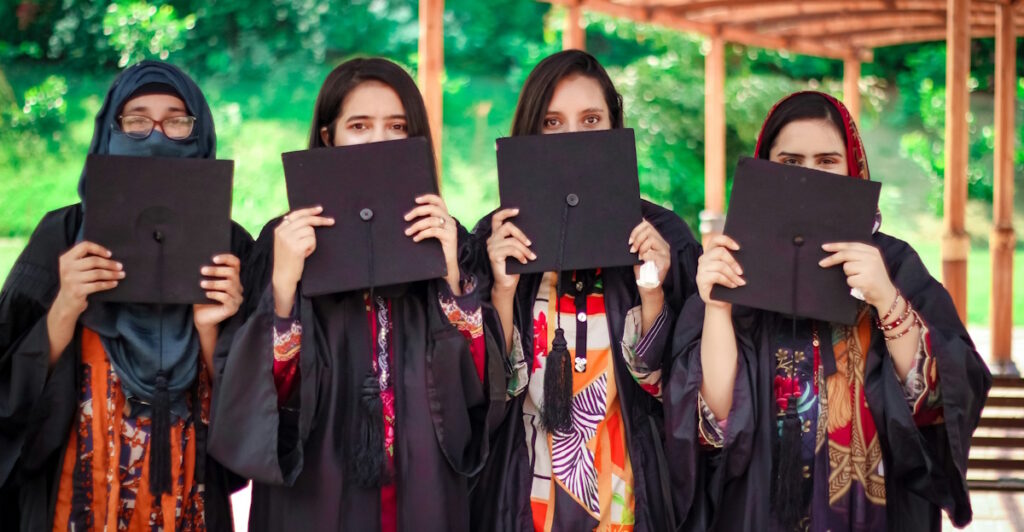
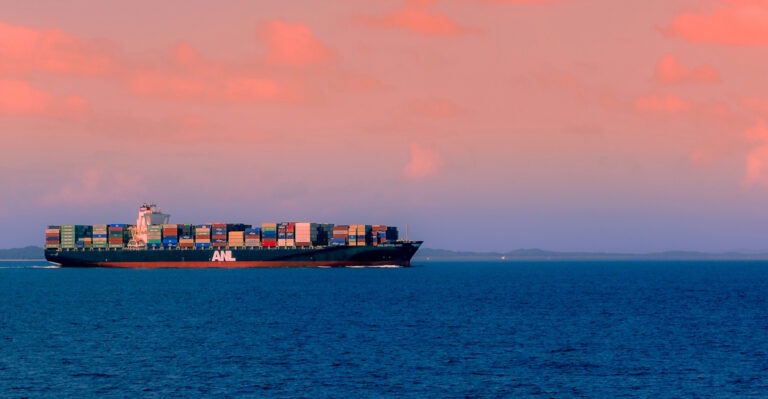
During 2022, the two countries had approximately 100 million dollars in trade. This is however below the potential trade volume which can be in excess of $1 billion should the two countries be able to exploit their trade and economic potentials. Dar remarks that we should improve the cooperation, which implies that we are going to focus on these unexplored opportunities especially in the areas such as agriculture, textile and education where the two countries are strong in.
Historical Context and Cooperation Future
Although the historical events have influenced the intricate relations between the two countries, what has been said by Dar points out that the two nations can forget the past problems and build a more cooperative future. His hope regarding the possible improvement of relations can be viewed as the willingness of Pakistan to develop better relationships with its neighbors including Bangladesh. Another point that Dar made was that the nations had similar interests particularly on the stability of the region, economic cooperation and trade. As an example, Pakistan and Bangladesh belong to the South Asian Association of Regional Cooperation (SAARC), which offers an opportunity to cooperate on the regional level in such areas as climate change, economic development, and security.
As the emphasis has moved to the post-elections engagement, the two nations can increase cooperation in major spheres such as area of trade, education, and regional forums. Bangladesh has recorded one of the highest growing economies in South Asia, with over 6 percent growth rate in the past years as indicated by the world bank. Pakistan is another significant country in the region and its GDP is about 376 billion in the year 2023. The improved relationships are likely to help the two countries in their economic aspects especially as they seek to improve their positioning in the local and international economy.
Path to Stronger Cooperation
The outreach that Pakistan will offer Bangladesh in the next months will probably be based on practical actions that will help strengthen their bilateral relations. The two countries can come to an agreement in strengthening trade relations, enhancing educational exchange, and developing the regional cooperation on the basis of multilateral forums. A report by the Asian Development Bank (2023) has indicated that the South Asia region will become one of the fastest-growing regions in the world with trade and investment flows expected to increase substantially. This increase in the regional interconnection is an opportunity that can be explored by both Pakistan and Bangladesh, especially in the aspects of infrastructure, energy, and digital connectivity.
Also, the two nations can co-operate to address regional issues including climate change. As an extremely susceptible nation to climate change, Bangladesh has repeatedly demanded more regional collaboration on environmental matters. Pakistan, in its turn, is another country that has a serious problem with climate-related issues, such as water shortage and natural disasters. The collaborative effort to solve these problems may become a way to contribute to a more significant collaboration in climate resilience measures, including collective action in flood control, renewable energy-focused policies, and disaster mitigation exercises.
The vision presented by Ishaq Dar, the way he sees the relationship between Pakistan and Bangladesh in 2025 gives a glimmer of hope that the future of the two countries would improve. His focus on brotherhood and the possibility of cooperation is another indication of the common interests which both nations can pay attention to. Leaving the challenges of the past, it is possible to start a new chapter in the relations between Pakistan and Bangladesh which will make the two countries respect one another and cooperate with each other in their issues which will not only help both countries, but the entire region as well. In case both the countries take advantage of the options of trade, economic cooperation and regional cooperation, they might open the door to a new phase in the history of South Asian diplomacy which would lead to the overarching objective of regional peace and prosperity.