by Ayesha RAFIQ
Every time a woman stands tall, she lifts not only herself but the world around her.
Across Pakistan, a powerful transformation is taking place, driven by women who are defying expectations, climbing new heights, and carrying their nation forward with courage, intellect, and grace. From classrooms in Peshawar to tech hubs in Karachi, from the glaciers of Hunza to the music studios of Lahore, Pakistani women are proving that progress has no boundaries when fueled by determination and national pride.
Every barrier a Pakistani woman breaks sends ripples of hope across the country. Her success is not just her own; it belongs to every girl who dreams, every mother who sacrifices, and every community that believes in her.
Women make up 49 percent of Pakistan’s population, and their economic and social contributions are becoming central to the nation’s progress. According to the Asian Development Bank (2023), Pakistan’s female labour-force participation rate has reached 23 percent, up from around 20 percent in 1990, a steady rise that now includes over 10.5 million women across various sectors. The Pakistan Bureau of Statistics (PBS) reports that women comprise 70 percent of the medical workforce in training and almost half of the education sector, particularly at the school and college levels.
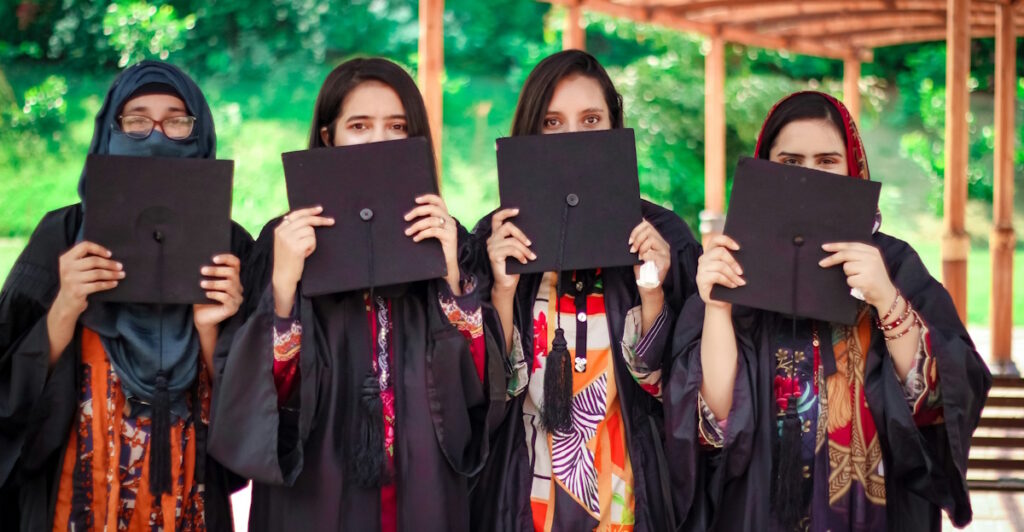
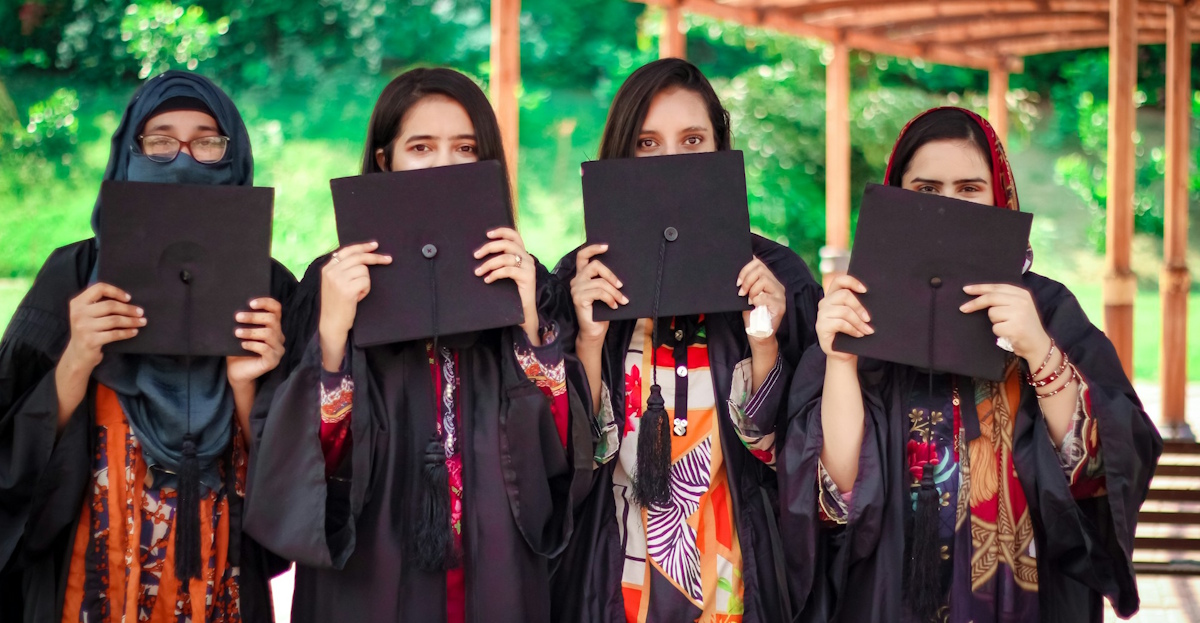
In education, the transformation is profound. Between 2010 and 2022, female enrollment in higher education rose by over 60 percent, while the literacy rate among women increased from 36 percent to 51 percent in just a decade. In urban centers, women now make up 58 percent of university graduates, many of whom are entering professional careers in finance, law, healthcare, and technology.
The World Bank (2024) estimates that if Pakistan reduces its gender gap in the workforce to match the regional average, the economy could grow by an additional 30 percent within ten years. Empowering women is not a social gesture; it is an economic revolution in motion.
From the heights of the Karakoram to the heart of the corporate world, Pakistani women are breaking barriers every day. Samina Baig, the first Pakistani woman to summit Mount Everest, became a symbol of national pride and endurance. Her journey inspired a new generation of women climbers from Gilgit-Baltistan, including Naila Kiani, who has now scaled multiple 8,000-meter peaks. These women are not just climbing mountains; they are lifting Pakistan’s flag to the skies.
In Karachi, the Roshni Baji initiative by K-Electric trained the country’s first female electricians, providing technical education, income stability, and the dignity of skilled work. In Lahore and Islamabad, thousands of women are excelling in the digital economy. According to Payoneer’s Global Freelancer Index (2022), Pakistan ranks 4th in the world for freelance growth, with women making up nearly 20 percent of this $400 million market.
Technology has opened new doors. Jehan Ara’s “The Nest I/O” incubator has supported over 200 startups, many founded by women, while Sadia Bashir’s Pixel Art Academy trains young female developers for the global gaming industry. These achievements represent a cultural and economic awakening, proving that Pakistan’s innovation belongs to all.
In rural Pakistan, the story of resilience is just as powerful. The National Rural Support Programme (NRSP), with over 5.7 million members, reports that 60 percent are women leading microfinance initiatives and agricultural ventures. In Tharparkar, solar-trained women have brought electricity to hundreds of homes. In Chitral and Gilgit-Baltistan, women tour guides are introducing travelers from around the world to the beauty of Pakistan’s northern mountains. According to UNDP Pakistan, women in rural programs have increased family incomes by up to 40 percent in the past five years.
In southern Punjab, artisans supported by Kashf Foundation and Bunyaad are exporting handmade embroidery to international markets, proving that tradition can coexist with global progress. These women represent the heart of Pakistan, strong, hardworking, and rooted in community.
Women are also taking their place in national service. Over 4,000 women officers now serve in the Pakistan Armed Forces, contributing as doctors, engineers, pilots, and administrators. Their discipline and dedication embody the values of the nation they serve.
Public policy and private enterprise are working together to sustain this progress. The State Bank of Pakistan’s “Banking on Equality” policy has opened over one million new women’s bank accounts since 2021, enhancing financial inclusion. The Ehsaas Programme, South Asia’s largest social welfare initiative, has supported more than seven million women through financial aid, vocational training, and entrepreneurship programs. These are not acts of charity; they are investments in Pakistan’s future.
In the world of art and culture, Pakistani women are giving the nation a new rhythm and voice. Arooj Aftab’s Grammy-winning music, Zeb Bangash’s soulful performances, and a wave of young musicians blending Sufi, pop, and classical traditions reflect the power of creative freedom. Their work carries Pakistan’s essence, proud, poetic, and full of life.
Ride-sharing platforms such as Careem and InDriver have enabled thousands of women to earn independently and safely. Public transport services like Punjab’s Pink Buses and Sindh’s Women-Only Carriages are expanding mobility and access to work. The International Labour Organization (2023) reports that women in skilled technical roles have nearly tripled in Pakistan since 2005, a powerful indicator of steady, homegrown progress.
Today, Pakistani women are confident, capable, and compassionate, the architects of a new national identity. They are coders, climbers, educators, artists, entrepreneurs, and policymakers, united by one vision: to see Pakistan flourish. With 64 percent of the population under 30, the next generation of women will define the country’s future in science, innovation, and leadership.
Pakistan’s story is written not in struggle but in strength, not in hardship but in hope. The women of Pakistan are the living proof of that strength. Each barrier they break becomes a bridge for others to cross. When a woman climbs a glacier, she lifts the flag to new heights. When a musician performs for the world, she carries her homeland’s rhythm in every note. When a teacher opens a classroom, she shapes a generation that believes in itself.
The women of Pakistan are not waiting for change; they are leading it. Their courage, grace, and faith illuminate the path ahead, showing the world what resilience truly looks like.
“A woman’s strength is not measured by the weight she carries, but by the light she still shares while carrying it. She is born to heal, to create, to rise, and in her rise, the world learns how to stand.”