by Nazish MEHMOOD
Pakistan stands at a unique moment in its economic history, one where the sea has quietly emerged as the country’s most undervalued yet most promising frontier. With a coastline that stretches over 1,000 kilometers and an Exclusive Economic Zone of nearly 240,000 square kilometers, further expanded by an additional 50,000 square kilometers of continental shelf granted through international recognition, Pakistan possesses maritime resources that far exceed their current economic utilization. Yet, despite this vast natural endowment, the blue economy contributes less than one percent to the national GDP. This disparity reflects not the absence of potential, but the absence of systematic attention. Today, as Pakistan recalibrates its economic trajectory, the blue economy stands out as a transformative opportunity: a pathway for revenue generation, job creation, and long-term sustainable growth.
Exploring Pakistan’s Untapped Maritime Wealth
A comprehensive evaluation of Pakistan’s maritime sectors reveals that the country has the capacity to generate more than US$100 billion annually from ocean-based industries. This estimate encompasses fisheries, aquaculture, shipping, coastal tourism, maritime logistics, mineral exploration, shipbuilding, and renewable ocean energy. These possibilities are not theoretical; they are based on the physical, geographic, and ecological advantages that Pakistan already possesses but has not fully capitalised on.
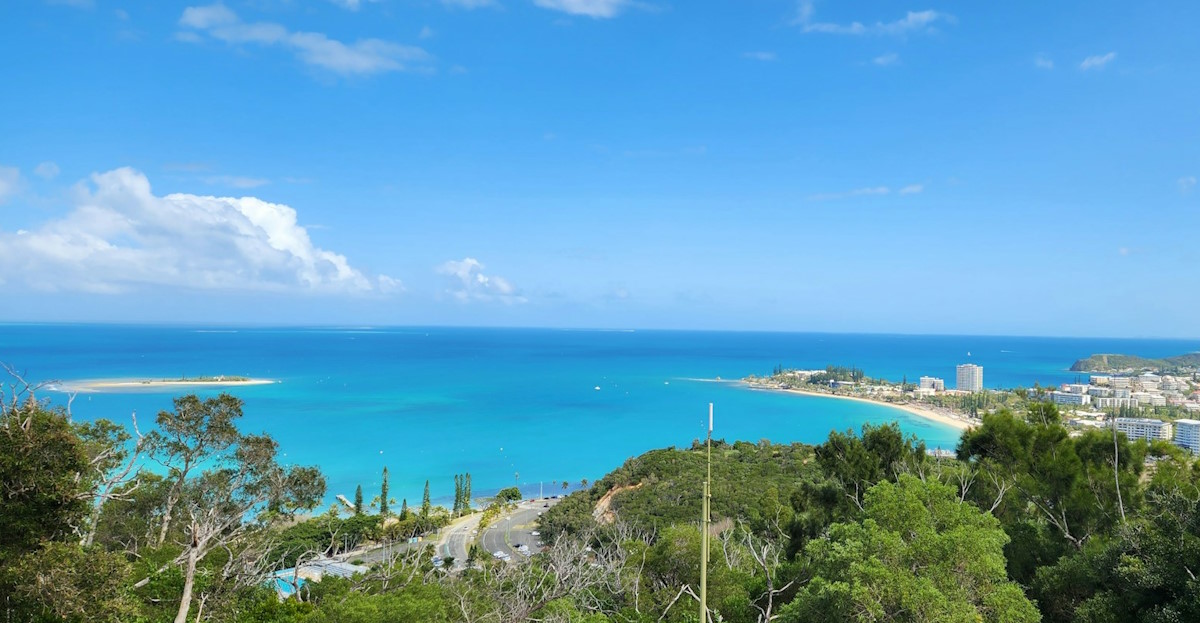
Currently, Pakistan earns approximately US$450 million from seafood exports, a figure that remains low due to outdated fishing practices, lack of processing facilities, and limited access to high-value markets. In comparison, countries with smaller coastlines and fewer marine resources earn several billion dollars from the same sector. Similarly, coastal tourism, which globally contributes trillions of dollars annually, brings in only around US$300 million to Pakistan. With strategic planning, sustainable tourism infrastructure, and community-driven enterprises, this figure can rise significantly.
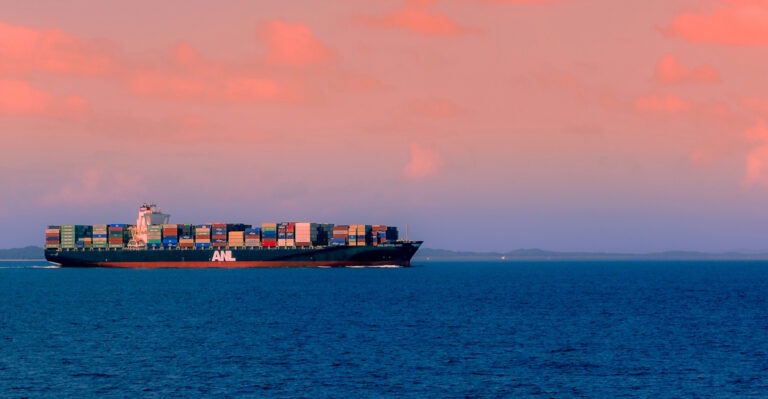
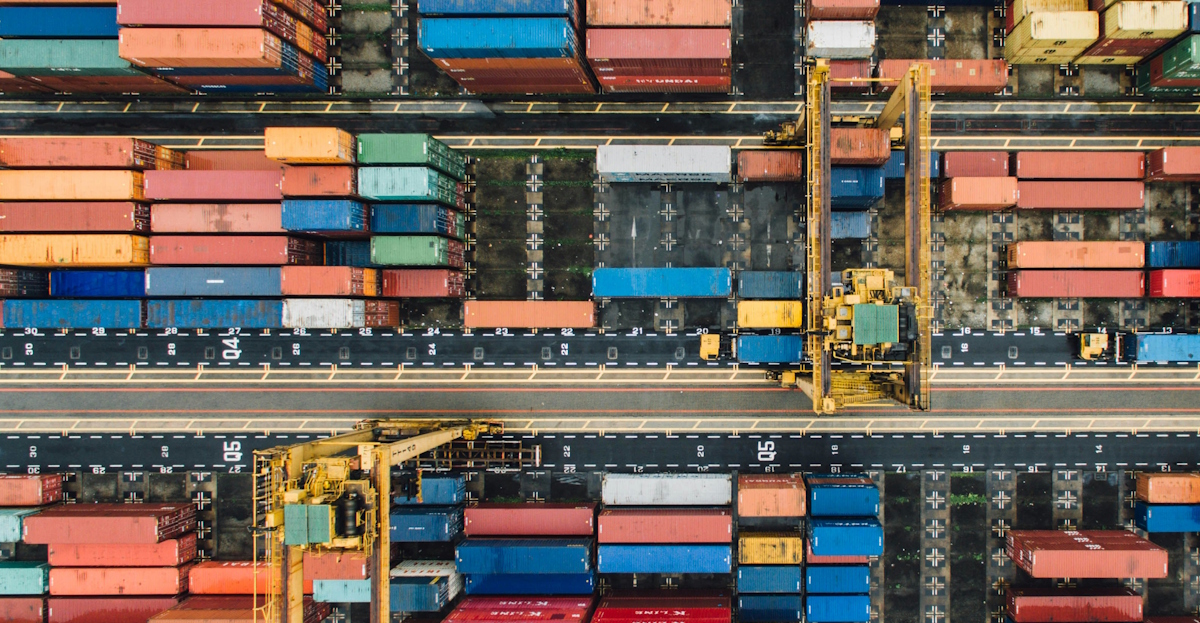
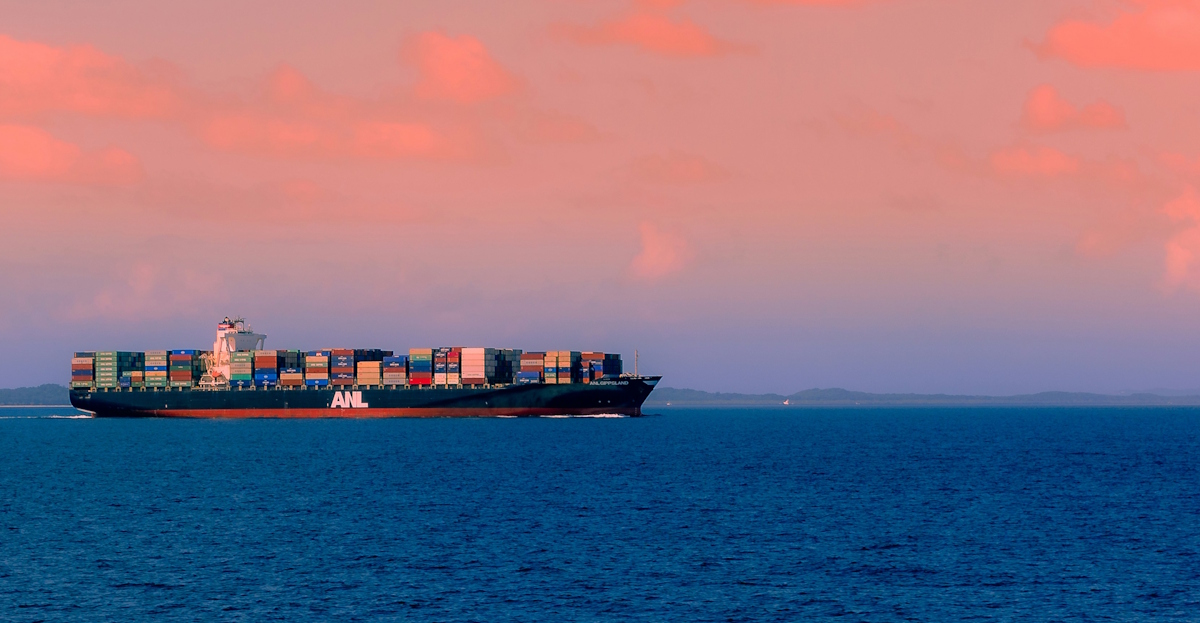
Shipping and maritime logistics hold an even greater economic promise. Pakistan’s merchant fleet remains underdeveloped, forcing the country to spend billions annually on foreign vessels to transport goods. With investment in shipbuilding, fleet expansion, and port modernization, Pakistan could retain a substantial portion of this capital and simultaneously generate new revenue streams worth US$8–10 billion per year. Likewise, traditional fisheries can yield up to US$7–8 billion annually if regulated properly, while modern aquaculture has the potential to add another US$10 billion to the national economy.
Coastal Regions as Drivers of National Growth
Pakistan’s coastal belt is a rich ecological and economic zone that remains largely unintegrated into mainstream economic planning. The country is home to some of the world’s largest mangrove forests, which serve as breeding grounds for fish, protect against coastal erosion, and provide opportunities for eco-tourism and blue carbon markets. The economic value of mangrove-dependent industries currently stands at around US$20 million, but with targeted conservation and restoration, the value can multiply significantly.
The coastal districts of Gwadar, Pasni, Keti Bandar, and Ormara offer enormous economic potential. These regions can become centers for aquaculture, seafood processing, cold storage, maritime logistics, and marine research. As infrastructure expands, so will livelihoods: from fishermen and boat makers to tourism operators and port workers. Investment in these areas can reduce regional disparities by integrating remote coastal populations into national development.
The additional income and employment generated through blue economy activities will uplift coastal communities, enhance food security through improved fisheries, and strengthen Pakistan’s overall socio-economic fabric.
Strategic Maritime Position and Global Connectivity
Pakistan enjoys a maritime location that few countries can match. Positioned at the entrance of the Persian Gulf, Pakistan sits at a crossroads that connects the Middle East, Central Asia, Africa, and South Asia. This strategic positioning grants Pakistan an immense advantage in regional and global maritime trade. Gwadar Port, in particular, is central to this strategic outlook. As the flagship of the China–Pakistan Economic Corridor (CPEC), Gwadar is transforming into a deep-sea port that could handle massive transshipment volumes and serve as a trade gateway for landlocked Central Asian states.
The second phase of CPEC, which emphasizes industrialization and socio-economic development, intersects naturally with the objectives of Pakistan’s blue economy. Establishing special economic zones near ports, expanding ship repair and maintenance facilities, and developing maritime universities can strengthen Pakistan’s role in global maritime commerce. A shift from being merely a transit route to becoming a maritime innovation hub can significantly enhance Pakistan’s economic competitiveness.
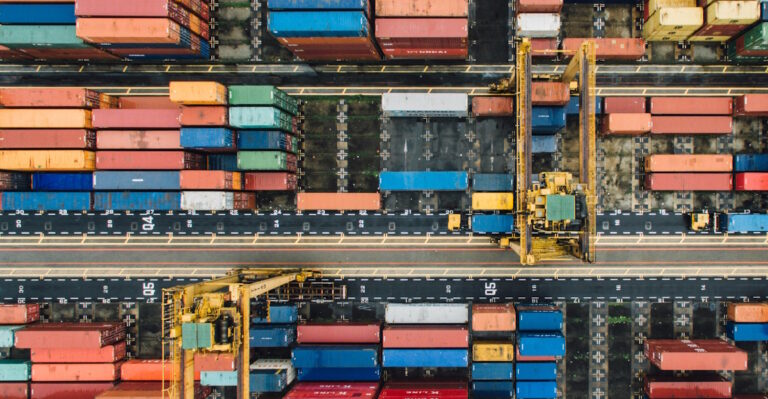
Modernized ports integrated with smart logistics systems will not only attract international shipping lines but also create thousands of jobs in operations, transportation, warehousing, and maritime services. Pakistan’s maritime connectivity can thus become a key pillar of the country’s geo-economic vision.
Sustainability, Climate Resilience, and Economic Security
The value of the blue economy extends far beyond monetary gains. Sustainable use of marine resources ensures long-term economic stability and strengthens Pakistan’s climate resilience. With rising global temperatures and unpredictable weather patterns, the coastal regions of Pakistan face increasing environmental vulnerabilities. Strengthening mangrove ecosystems, developing climate-adaptive fishing techniques, and investing in ocean-based renewable energy will help Pakistan mitigate climate risks.
Offshore wind, tidal, and wave energy provide viable alternatives to fossil fuel imports, contributing to energy security and reducing the national import bill. Sustainable fisheries ensure food security by maintaining fish stocks and promoting responsible harvesting. A well-managed marine environment supports biodiversity, attracts tourism, and enhances coastal livelihoods.
The alignment of Pakistan’s blue economy with global sustainability standards also positions the country to benefit from international climate finance, technology transfers, and green investments.
Conclusion
Pakistan’s blue economy is not just an untapped resource, it is a strategic opportunity that can redefine the country’s economic future. With thoughtful policy-making, sustainable practices, and visionary leadership, Pakistan can unlock its maritime frontier and turn it into a trillion-rupee engine of growth. This is a moment for Pakistan to harness its seas not just as waters bordering its coasts, but as vast economic spaces shaping national prosperity, resilience, and regional leadership.