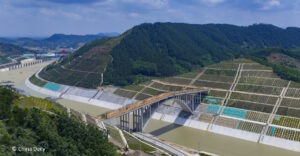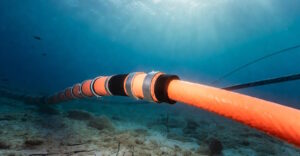
A New Era of Connectivity between Pakistan and KSA
The Pakistan–Saudi digital corridor marks a new phase in their strategic partnership, strengthening connectivity and innovation.

The Pakistan–Saudi digital corridor marks a new phase in their strategic partnership, strengthening connectivity and innovation.
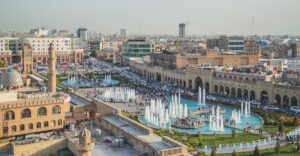
A new corridor linking the UAE to the Mediterranean through Iraq and Syria could reshape regional trade routes.
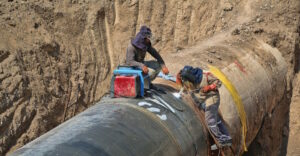
The ceasefire between Iran and the USA could revive the Iran-Pakistan gas pipeline, turning a long-stalled project of energy security.

The Settebello incident highlights how geopolitical rivalries are turning commercial sea lanes into arenas of confrontation.

Pakistan emerged as a key mediator between Washington and Tehran, playing a central role in the ceasefire and the resumption of dialogue.
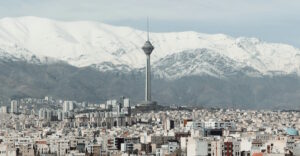
Pakistan and Iran have recently launched a strategic land corridor transforming regional trade toward Central Asia.

The UAE’s exit from OPEC marks a strategic turning point reflecting a structural transformation in global oil markets.
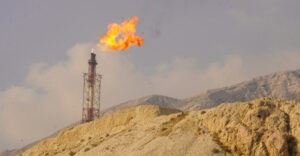
The war in the Middle East is reshaping global connectivity by weakening some corridors while strengthening others.
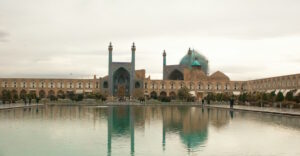
The war in Iran is delaying the development of the IMEC, but a lasting weakening of Tehran could ultimately secure this strategic project.

Pakistan and Saudi Arabia are strengthening structured security cooperation to confront shared threats and protect their strategic interests.