by Ayesha RAFIQ
At one point, agriculture in Kosovo was as ancient as the land itself. The spring came mildly, fall cooled slowly and generations of farmers had made their plans based on the routines that seldom failed them. The unwritten contract between nature and agriculture has been now violated. Autumn and spring freezes are not an omen of bad fortunes when we see them. It is a crisis of the system focused on climate change, and agriculture suffers the greatest price.
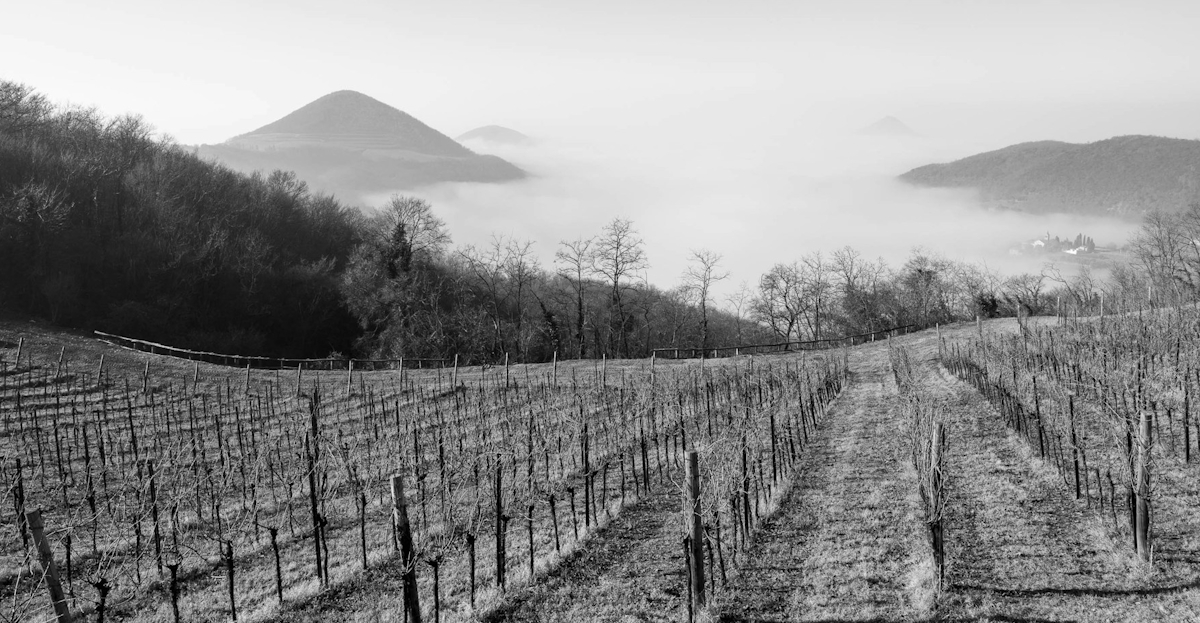
The case of Habib Dina in Rahovec is not an exception. It is a warning. A frost late in April of less than minus five degrees Celsius caused by a series of weeks of pleasant weather destroyed a whole vineyard in a morning. The early blooming of the buds, deceived by the record high temperatures in March, had no chance. Decades of experience was no defense to farmers such as Habib. Traditional knowledge that was the main form of resilience in the rural areas is becoming extinct due to unpredictable weather patterns which are no longer abiding by rules.
The agriculture has become a big stakes bet because of climate change. Seasons are not seasons any longer. They are surprises. Heat waves come at an early age, and they stay there too long. When crops are at a disadvantage, frosts occur. Rain drops come in flashy torrents, not as nourishing drizzles, but soil washers. Summers are blistering scorchers, and the winters come without snow that would befall the land with slow groundwater recharging fields, and nourishing the wells and irrigation systems.
The weather instability is explained by its scientific basis. The anthropogenic global warming has also interfered with the atmospheric processes that increase the speed of a water cycle and extremes. In the middle of this contradiction is Agriculture. It is victimized by climate change and it is a cause of climate change by having emissions caused by fertilizers, livestock and land use. In Kosovo, however, farmers are victims rather than culprits to a great deal. They are not the ones who created fossil-fuel economies or global supply chains, but they have to deal with the repercussions.
The time lag between warning and action is what makes the situation in Kosovo so dangerous. International organizations, climatic scientists and even the ministry of Agriculture in Kosovo has been raising the alarm years before. Green Reports are always recording falling yields, frost damage, drought stress and increasing uncertainty in agricultural planning. The message is unmistakable. Food production is already being reformed by climate change. However, policy responses are slow, piece meal and mostly reactive.
Water management is the place where the failure can be seen most of all. Paperwise, Kosovo has the potential of irrigation, but very little is utilized. Water scarcity becomes the most feeble aspect of agriculture as the summer is becoming hot and drier. In the absence of the reservoirs, effective distribution, and advanced irrigation systems, the farmers are in the battle. Climate change does not necessarily minimize yields. It raises expenses, which compel farmers to spend more on producing less.
The financial effects run way out of farms. The failure of local production will be followed by an influx of imports. Prices will increase. Food security weakens. Kosovo ends up relying more on foreign markets to supply the staples that it used to manufacture itself. This does not only concern agriculture. It is an issue of economic strength and national stability. The agricultural climate shocks are directly translated into inflation, trade imbalances, and decline of the rural areas.
It is, perhaps, the most disturbing, the psychological toll. Once a year of income can be destroyed in one night by frost, hail or drought and no insurance and little compensation comes, the farming ceases to be a livelihood, but rather a risk that people no longer want to run. The youth do not practice farming. Experience is lost. Fields go fallow. Fruits are not the only ones to be killed by climate change. It erodes confidence.
Such a story, though, has not been deprived of agency. Farmers are making changes where possible through experimentation with new types of crops, greenhouses, drip irrigation and digital technologies. Adaptation cannot be left on the farmers. Climate change is too big and too structural that it can be solved field by field. It requires national synergy, agricultural policies that are climate ready, working insurance policies, earnest investment on water infrastructures and legislation that understands agriculture to be a strategic resource, not an appendage.
Habib Dina is not being figurative when he says that there is no spring and no autumn anymore. He is diagnosing a crisis. Climate change has broken down the natural calendar, which agriculture relies on. When it is seen as a temporary maneuver and not a permanent change that Kosovo is already enacting, the price will be an estimate of not only lost crops, but also lost lives and food sovereignty.
Seasons are changing whether we are prepared or not. The real question is that can the policy, planning and political will adapt quick enough so as to keep agriculture alive in an environment that no longer follows the old rules?