by Nimra KHALIL
Iraq is a state that used to be characterized by the decades of strife, economic and financial turmoil, lack of financial self-sufficiency. With global order changing and the Middle East struggling with both internal and external issues, Iraq is now starting to take a new path of the sustainable development and regional integration. The country has established an elaborate vision which has been captured under the Vision 2050 framework and is aimed at going beyond reconstruction and setting up the platform into economic diversification in the long run, social unity, and environmental sustainability. This bold vision is not only the reaction to the historical problems faced by Iraq, but also the strategic chance to recognize the future of this country in the world that interconnects more and more.
From Turmoil to Strategic Planning
Iraq has no history of a unified vision of the nation. Vision 2050, which consists of an extensive agenda of transformation, was announced by Iraqi Prime Minister Mohammed Shia al-Sudani on 20 September 2025. This program is more than crisis management as its goal is to avoid future shocks, diversify the economy and strength in case of a sudden global transformation.
As part of vision 2050 it is highlighted that Iraq cannot afford to keep on depending on fossil fuels as the backbone of her national economy and stated the need to diversify and modernize.
Economic Diversification: Less Oil, More Opportunity
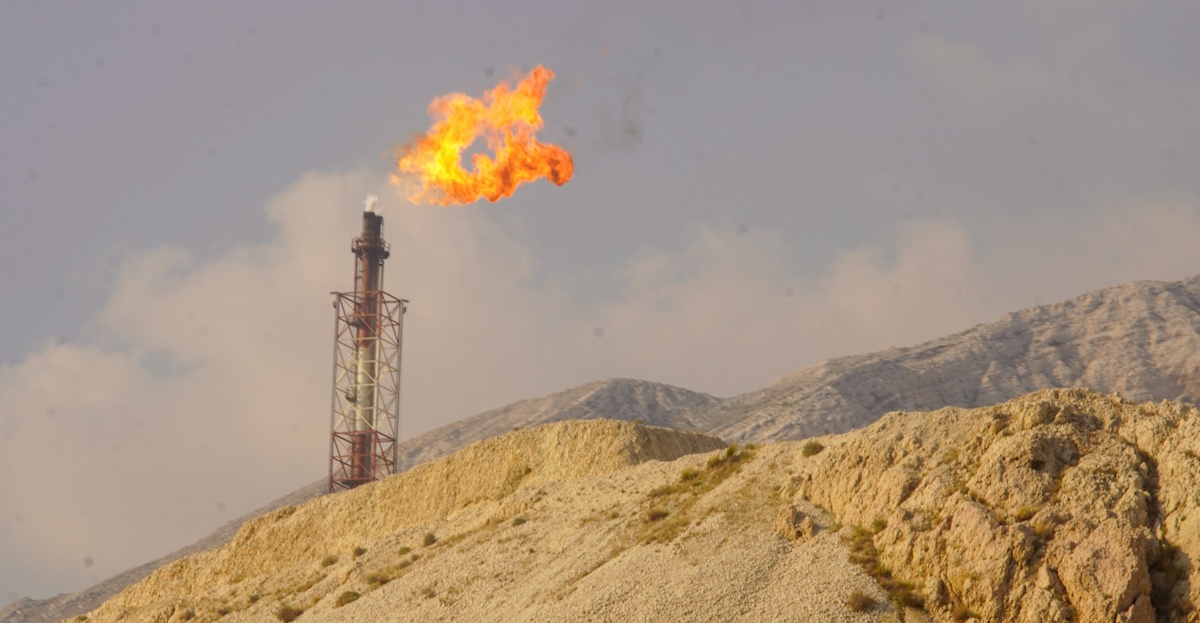
The economy of Iraq has been over reliant on oil which provides a significant portion of government income and exports. Even though years and breakdowns of oil have been identified to be not absolute across different sources and years, historically, oil has contributed a significant fraction of the GDP and government revenue in Iraq. The Vision 2050 and the related plans would increase non-hydrocarbon-related economic activity such as industrial, agricultural, and services.
Key strategic infrastructure projects play a central role in this shift
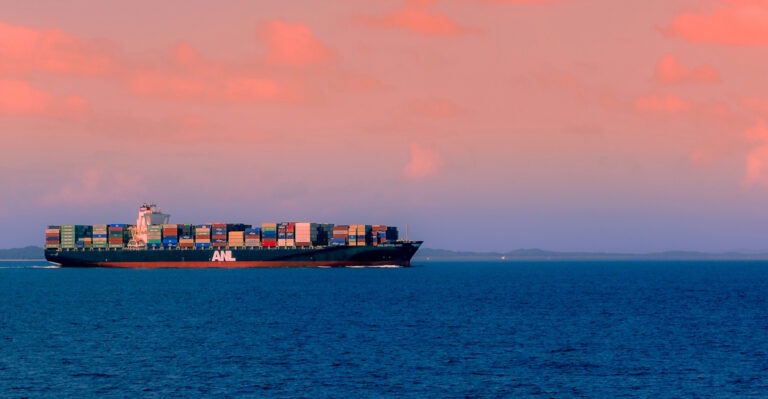
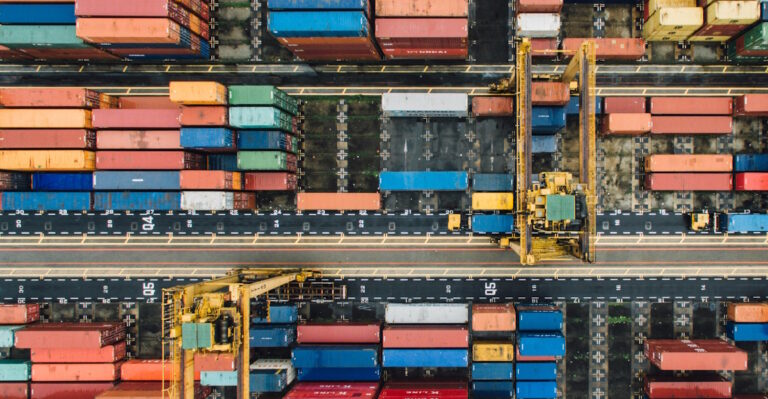
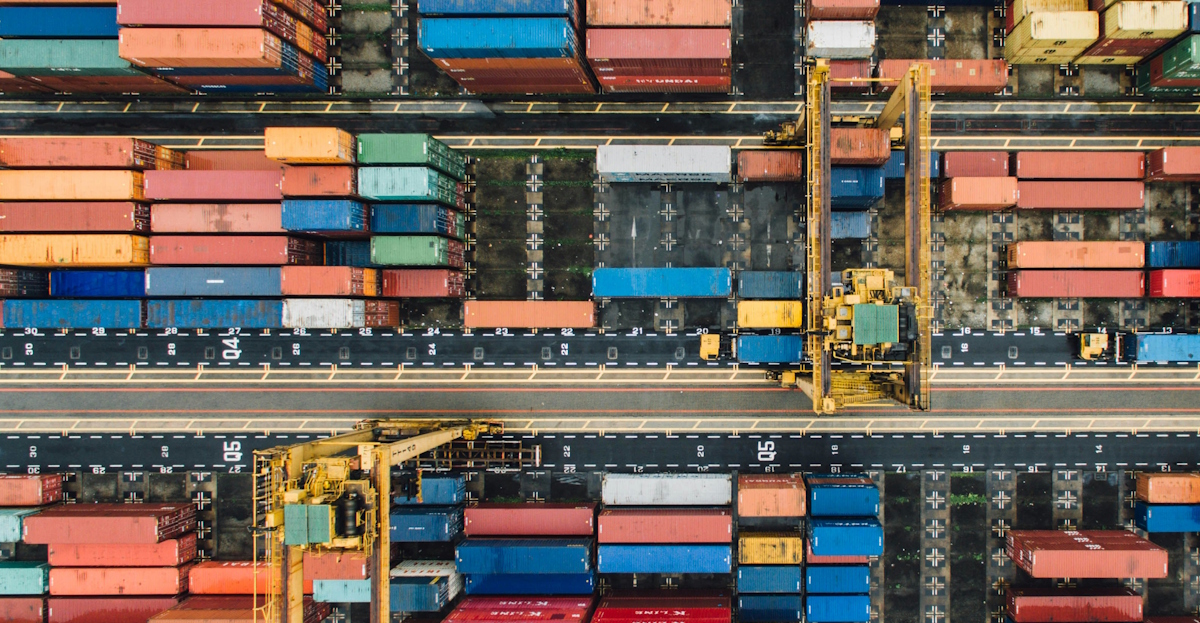
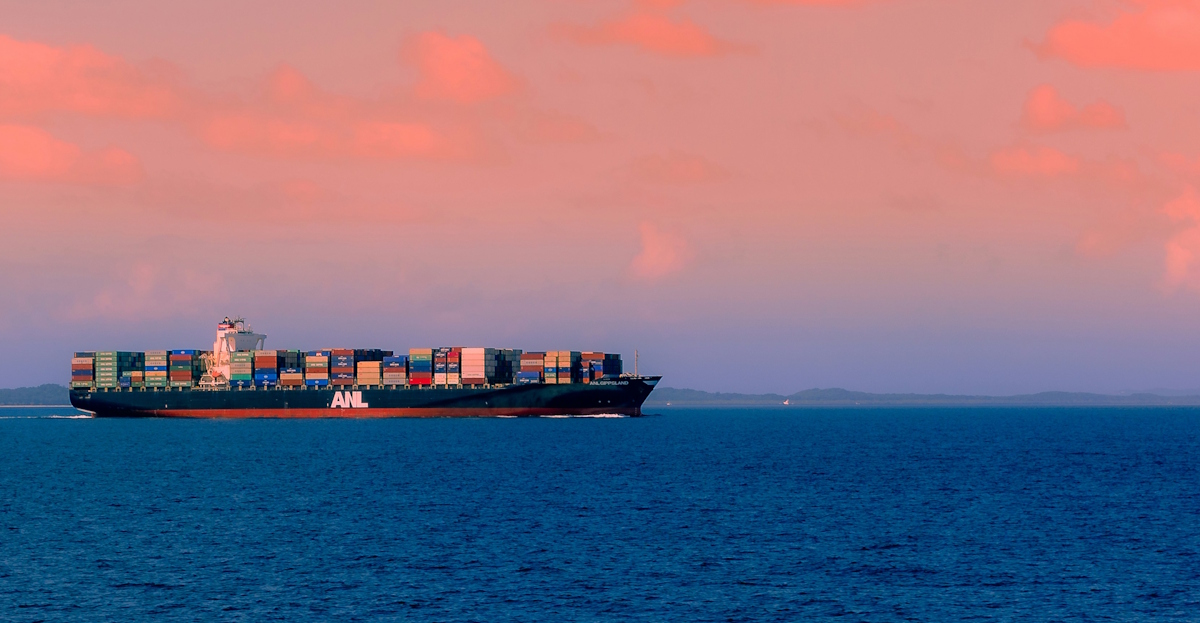
Al-Faw Grand Port, which is planned as one of the largest ports in the Middle East, is supposed to be the anchor project of the Development Road initiative which may lead to directing 20 percent of the Asia never venture trade to Iraq. Such programs are likely to give employment to at least 1.5m. people and generate huge self-sufficiency in food, water, and energy with the help of sustainable programs.
Transport infrastructure is also getting big investments such as the World Bank $930 million push to allow the extension and modernization of the Iraqi transport network which will improve the local trade and connectivity. Furthermore, Iraq has received a high foreign direct investment (FDI) in its oil industry in the form of a figure of about 100-150 billion dollars in last two years and the planning is to raise this amount more so that it can contribute towards modernization and diversification efforts.
National Development Plan 2024–2028
In line with Vision 2050, the National Development Plan (NDP) 2024 2028 of Iraq provides the rational roadmap towards near-term growth and reform. The NDP places: Economic resilience and diversification; Improved services to people in terms of health, education, and infrastructure; Environmental sustainable and climate adaptation; Digital transformation and growth of the private sector. The plan will be used to ensure greater social inclusion and deal with structural issues such as unemployment and institutional inefficiencies in order to precondition deeper reforms.
Youth, Inclusion, and Sustainable Development
The youth empowerment should be a national priority in Iraq due to the demographic age distribution of the population with the largest segment being below the age of 30. The government will use education, skills training, and entrepreneurship to take advantage of the potential of the youth workforce and compensate socioeconomic vulnerability.
In the same way, the attempt to promote the role of women in the economy and in the life of the population dwells in the framework of the national development and is part of a global tendency toward inclusion.
Diplomacy and External Partnerships
The vision of Iraq does not revolve around transformation within the country. In 2025, Baghdad increased its involvement in international relations: Iraq signed a large-scale trade and defence agreement with the United Kingdom including plans to collaborate in infrastructure, provision of clean water, and security issues.
The international energy companies, such as France Total Energies and Qatar Energy, signed joint ventures with the country to enhance the production and infrastructure of energy, which shows the willingness of Iraq to cooperate with other countries. The treaties assist Iraq in obtaining the experience and funds to sustain its radical transformation program.
Regional Engagement: Iraq and Pakistan
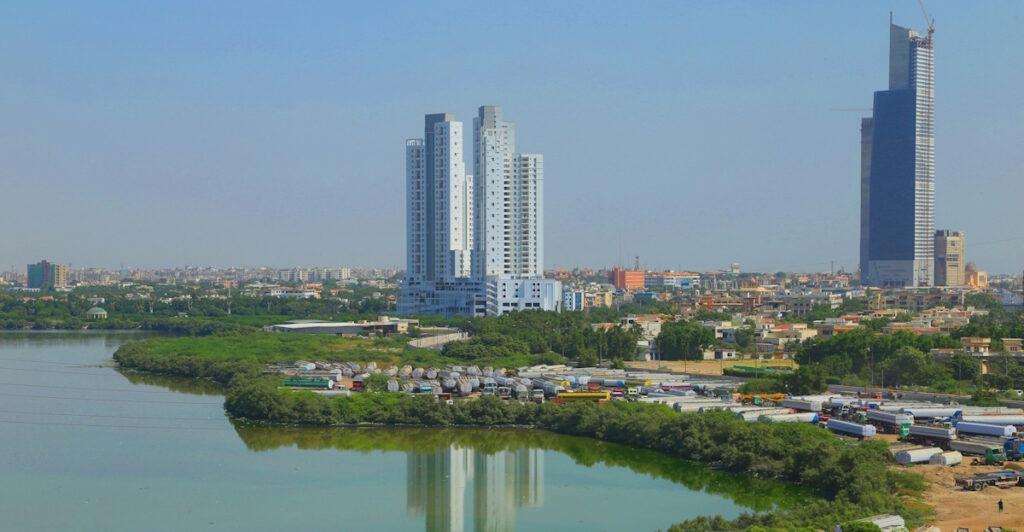
The foreign relations of Iraq are increasing outside the traditional relations. As an illustration Iraq has suggested the creation of a sea trade connection between its most strategic port of Basra and Karachi in Pakistan, the largest commercial city as a step toward greater economic interconnection and bilateral collaboration.
This suggestion shows that Iraq is joining up to make itself a trade facilitator in the region and indicates that Islamabad and Baghdad have a mutual interest of enhancing logistical and trade routes and fields and economic benefit.
Challenges Ahead
Even with viable structures, the Iraqi nation has had to struggle with structural stumbling blocks: Institutional weakness and corruption have been major issues that have reduced trust and investment potentials. The score on the Corruption Perceptions Index has indicated that Iraq has traditionally been one of the more difficult places to do business in, but there has been a positive change. Security issues, political disintegration and bureaucratic delays remain to retard implementation.
Removing these problems will be significant to help to turn the vision into reality.
Vision as a Catalyst for Change
The new strategic vision of Iraq is based on the Vision 2050 and implemented by the National Development Plan, which opens the perspectives to a country under transition. Focusing on the diversification of the economy, the modernization of infrastructure, the social inclusion, and the engagement in international cooperation, Baghdad tries to make national direction redefined and find the way to the more successful future.
There is a role of the international community in these plans as it is not a spectator but a contributor to stability, economic growth and sustainable development.